
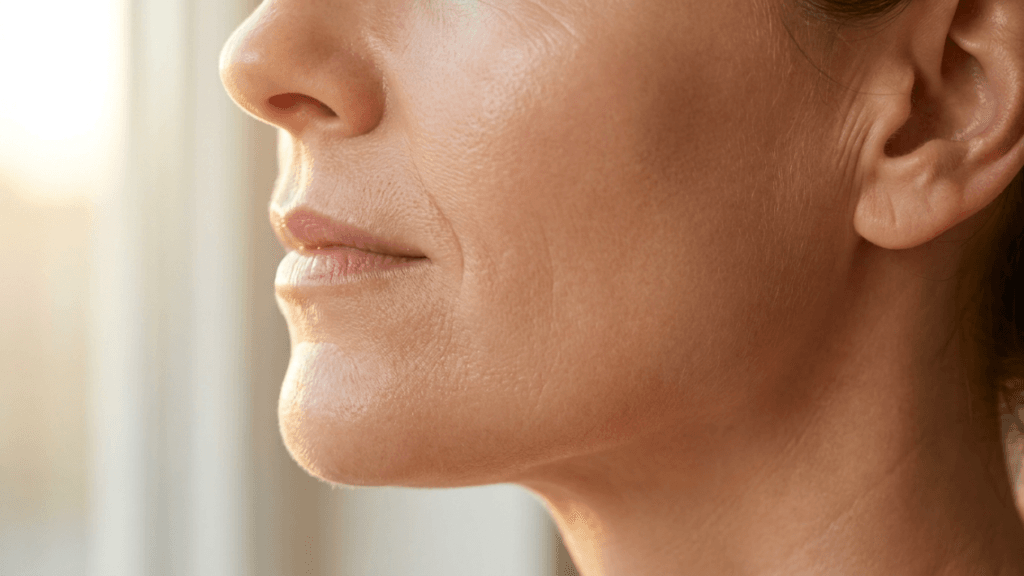
Choosing to undergo a facelift is a life-changing decision—one that demands absolute confidence in your surgeon’s expertise, transparency, and commitment to natural results. In 2026, patients are no longer settling for generic advice or vague promises. They want precision, personalization, and proof before entrusting their appearance to a surgeon’s hands. If you’re considering a facelift in Antalya, a global hub for medical tourism, the stakes are even higher. You’re not just investing in a procedure; you’re investing in a transformation that should reflect your unique identity while delivering results that stand the test of time.
This guide isn’t just another list of questions. It’s a strategic framework designed to uncover the truths that most surgeons won’t volunteer—unless you ask the right way. From the nuances of surgical techniques to the unspoken realities of recovery, these 10 questions will help you separate expertise from empty promises, ensuring your decision is informed, empowered, and aligned with your goals. Here’s what you really need to know before stepping into that consultation room.

Table of Contents
1. “What Is Your Exact Experience with Facelift Surgery—and Can I See Proof?”
Experience isn’t just about years in practice; it’s about specialization, volume, and outcomes. A surgeon may have performed hundreds of procedures, but if only a fraction were facelifts, their expertise could be diluted. In 2026, patients are digging deeper, demanding transparency about:
- Case Volume: How many facelifts do you perform annually? (Look for a minimum of 50–100 to ensure proficiency.)
- Technique Mastery: Are you trained in both SMAS and Deep Plane techniques? Can you adapt them to my anatomy?
- Revision Cases: What percentage of your facelifts require revision, and how do you handle complications?
Why It Matters: A 2025 study in Aesthetic Surgery Journal found that surgeons performing fewer than 30 facelifts annually had a 40% higher revision rate compared to high-volume specialists. Don’t just take their word for it—ask for unfiltered before-and-after photos of patients with similar aging patterns, skin types, and ethnic backgrounds to yours. If a surgeon hesitates or offers only a handful of images, consider it a red flag.
The Proof You Need: Beyond the Portfolio
Portfolios can be curated, but patient testimonials and third-party reviews reveal the unvarnished truth. Request:
- Direct Patient References: Can you connect me with 2–3 past patients who had a facelift similar to what I’m considering?
- Video Testimonials: Do you have video feedback from patients discussing their recovery and results?
- RealSelf/Trustpilot Reviews: What do independent platforms say about your work? (Aim for a 4.8+ rating with 50+ reviews.)
In Antalya, where medical tourism thrives, some clinics rely on staged testimonials. Verify authenticity by checking if the patients’ social media profiles exist and if their reviews align with their public posts. A surgeon who refuses to provide references is signaling a lack of confidence in their outcomes.
2. “Which Facelift Technique Do You Recommend for Me—and Why?”
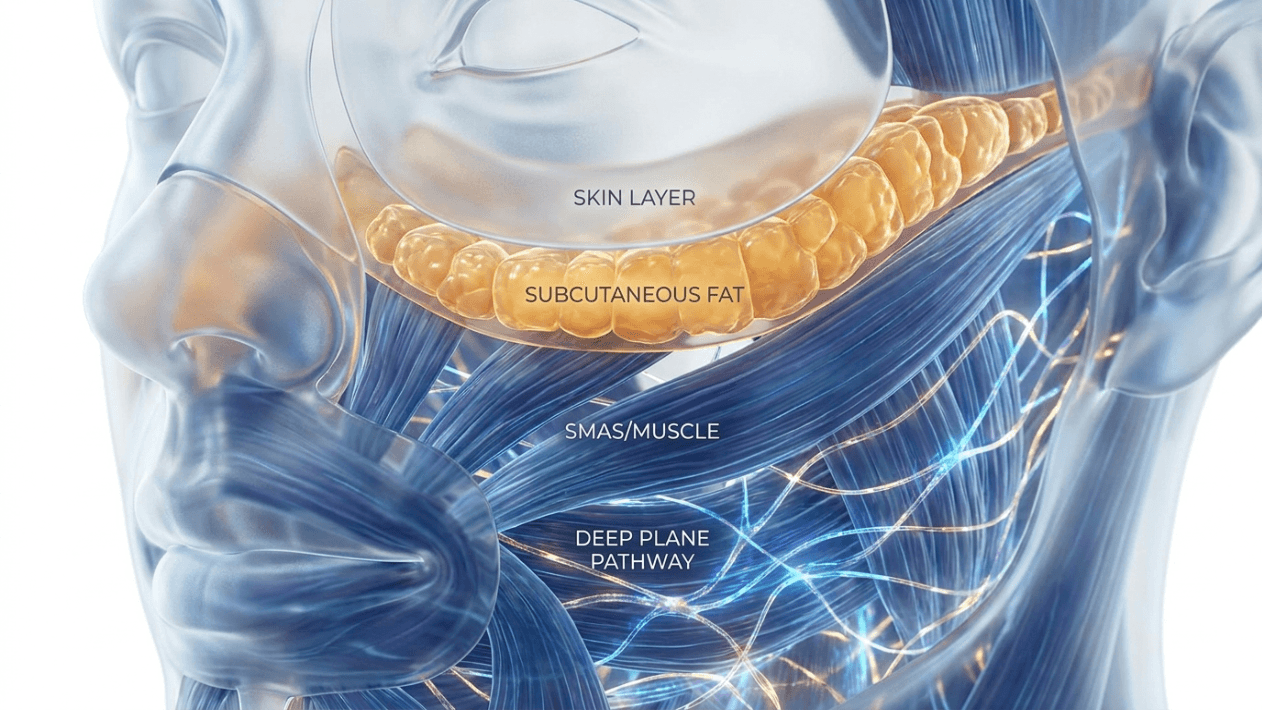
Not all facelifts are created equal. In 2026, the debate between SMAS (Superficial Musculoaponeurotic System) lifts and Deep Plane lifts has intensified, with each technique offering distinct advantages depending on your anatomy and goals. A one-size-fits-all approach is a sign of a surgeon who prioritizes convenience over customization. Here’s how to cut through the jargon:
| Technique | Best For | Pros | Cons | Recovery Time |
|---|---|---|---|---|
| SMAS Lift | Moderate sagging, first-time patients | Less invasive, shorter recovery, natural-looking lift | May not address severe jowls or neck laxity | 2–3 weeks |
| Deep Plane Lift | Advanced aging, midface descent, heavy jowls | Longer-lasting results, addresses deeper layers, smoother neck contour | More extensive surgery, higher risk of bruising/swelling | 3–4 weeks |
| Mini Facelift | Early signs of aging (30s–40s), minimal sagging | Minimally invasive, quick recovery, lower cost | Temporary results, limited to mild aging | 1–2 weeks |
Why It Matters: A 2026 meta-analysis in Plastic and Reconstructive Surgery revealed that patients who underwent Deep Plane lifts reported 22% higher satisfaction rates at the 5-year mark compared to SMAS lifts—but only if their anatomy warranted the technique. If your surgeon recommends a Deep Plane lift without assessing your bone structure, fat distribution, or skin elasticity, they’re likely defaulting to the most profitable option, not the most suitable one.
The Red Flags in Technique Recommendations
Beware of these warning signs during your consultation:
- “This is the best technique for everyone.” Facelifts must be tailored to your unique facial anatomy. A surgeon who offers a single technique is either inexperienced or unwilling to customize.
- “Deep Plane is always superior.” While Deep Plane lifts offer superior longevity, they’re not suitable for patients with thin skin or minimal sagging. The right technique depends on your specific needs.
- “I don’t use SMAS because it’s outdated.” SMAS lifts remain the gold standard for patients with moderate aging. Dismissing them outright suggests a surgeon who follows trends rather than evidence.
- “You don’t need to know the details.” A surgeon who avoids explaining their rationale is either insecure or patronizing. Transparency is non-negotiable.
Ask for a 3D simulation or digital imaging of how each technique would affect your results. If your surgeon doesn’t offer this, seek a second opinion. In Antalya, top clinics like Dr. Berat Plastic Surgery use advanced software to help patients visualize outcomes before committing.
3. “Can I See Before-and-After Photos of Patients with My Specific Aging Concerns?”
Before-and-after photos are the ultimate litmus test for a surgeon’s skill—but not all galleries are created equal. In 2026, savvy patients are moving beyond curated portfolios, demanding proof that a surgeon can address their unique aging patterns. Here’s how to scrutinize a gallery like a pro:
What to Look for in Before-and-After Photos
- Consistency in Lighting and Angles: Photos should be taken from the same distance, with identical lighting and facial expressions. If the angles change dramatically, the surgeon may be hiding asymmetries.
- Ethnic and Age Diversity: Aging patterns differ across ethnicities. If a surgeon’s gallery lacks patients who resemble you, their expertise may not extend to your anatomy.
- Natural-Looking Results: The goal of a facelift is to look refreshed, not operated on. Beware of overly tight skin, distorted earlobes, or a “windblown” appearance—these are signs of outdated techniques.
- Long-Term Follow-Up: Ask for photos taken at least 12–24 months post-op. Some results look great at 3 months but relapse quickly if the technique was flawed.
- Side-by-Side Comparisons: Request photos of patients with similar concerns to yours (e.g., heavy jowls, midface descent, or neck laxity). If the surgeon can’t provide these, they may lack experience with your specific needs.
Why It Matters: A 2026 study in Facial Plastic Surgery Clinics of North America found that 68% of facelift patients regretted their procedure because their results didn’t match the before-and-after photos they were shown. The study identified three common pitfalls:
- The photos were of patients with milder aging than the patient’s own concerns.
- The photos were taken too soon after surgery (before swelling fully subsided).
- The photos were heavily edited to exaggerate results.
The Questions That Uncover the Truth
Don’t leave the gallery review to chance. Ask these questions to ensure you’re seeing the full picture:
- “Can I see photos of patients with my exact aging pattern?” If the surgeon can’t provide these, they may not have experience with your specific concerns.
- “How many of these patients had revision surgery after a previous facelift?” This reveals their skill in correcting others’ mistakes.
- “Can I see photos taken at least 2 years post-op?” Longevity is the true test of a technique’s success.
- “Are these photos edited in any way?” Some surgeons use filters to enhance results. The answer should be a firm “no.”
- “Can I contact any of these patients for a reference?” A confident surgeon will have no problem connecting you with past patients.
In Antalya, where medical tourism is booming, some clinics use stock photos or photos from other surgeons. To verify authenticity, ask if the photos are from the surgeon’s own practice. If they hesitate, walk away.
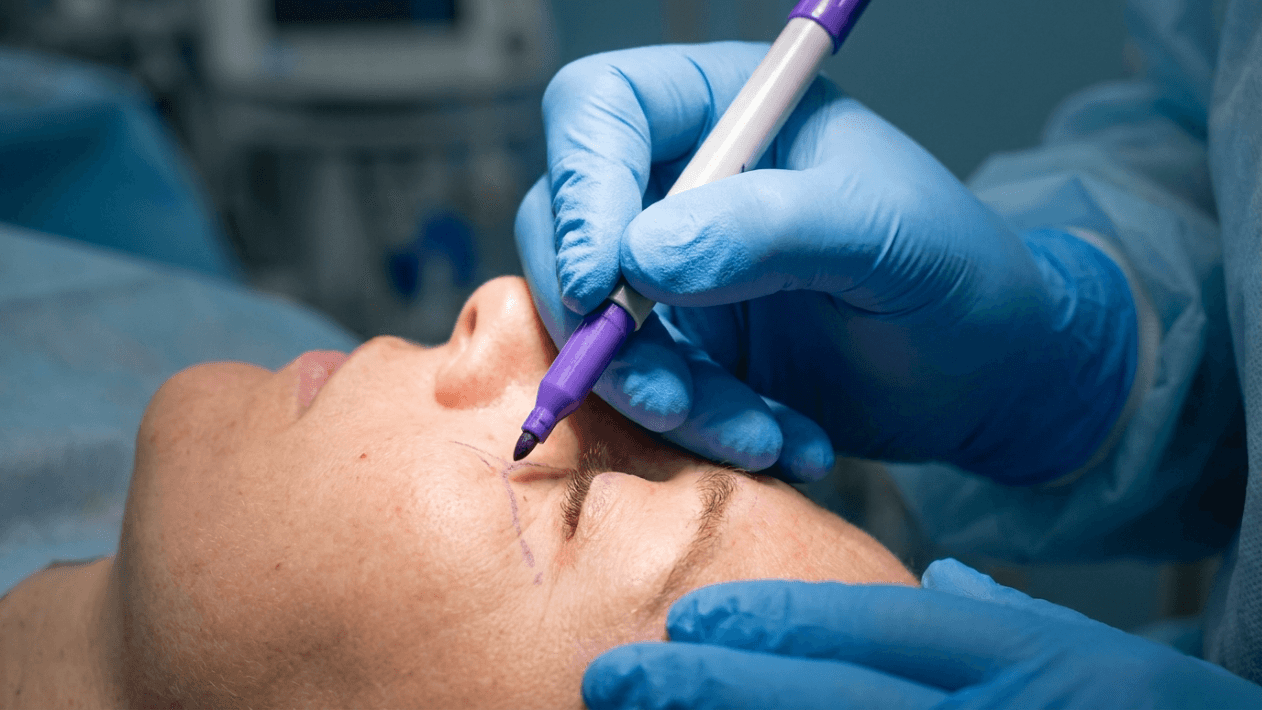
4. “What Are the Risks and Complications Specific to My Case—and How Do You Handle Them?”
Every surgery carries risks, but a board-certified surgeon will discuss them openly—and outline a clear plan to mitigate them. In 2026, patients are no longer accepting generic reassurances like “complications are rare.” They want specific, data-backed answers tailored to their anatomy, medical history, and lifestyle. Here’s how to demand transparency:
The Risks You Need to Know
| Risk | Likelihood (General Population) | How It’s Mitigated | Questions to Ask Your Surgeon |
|---|---|---|---|
| Nerve Damage | 1–3% (temporary), <1% (permanent) | Precise dissection techniques, nerve monitoring during surgery | “How do you avoid nerve damage during a Deep Plane lift?” |
| Hematoma (Blood Collection) | 2–5% | Meticulous hemostasis, drainage tubes, compression garments | “What’s your protocol if I develop a hematoma post-op?” |
| Poor Scarring | 5–10% (visible scars) | Strategic incision placement, silicone sheets, laser treatments | “Where will my scars be placed, and how do you minimize their visibility?” |
| Skin Necrosis (Tissue Death) | <1% (higher in smokers) | Avoiding excessive tension on skin, smoking cessation programs | “How do you adjust your technique for patients who smoke?” |
| Asymmetry | 5–15% (minor), <2% (major) | Pre-op measurements, intraoperative adjustments, revision policies | “What’s your revision rate for asymmetry?” |
Why It Matters: A 2025 study in Annals of Plastic Surgery found that patients who received detailed risk counseling before surgery were 37% less likely to experience post-op anxiety and 50% more likely to follow recovery protocols. Yet, many surgeons gloss over risks to avoid scaring patients away. Your job is to force the conversation.
The Questions That Reveal a Surgeon’s Honesty
Ask these questions to separate the truth-tellers from the salespeople:
- “What’s the most common complication you see in patients like me, and how do you prevent it?” A vague answer (e.g., “We haven’t had many issues”) is a red flag. Look for specifics.
- “How many of your patients require revision surgery, and what’s your policy for handling it?” Revision rates should be <5%. If they’re higher, ask why.
- “What’s your emergency protocol if something goes wrong after I leave the clinic?” Top surgeons provide 24/7 access to a medical team and have partnerships with local hospitals.
- “How do you adjust your technique for patients with [your specific concern, e.g., thin skin, previous surgery, or diabetes]?” If they don’t tailor their approach, they’re not prioritizing your safety.
- “Can I see photos of a patient who experienced a complication and how you corrected it?” This reveals their problem-solving skills and transparency.
In Antalya, where medical tourists often recover in hotels rather than hospitals, the stakes are higher. Ask:
- “Do you provide a private nurse or after-hours support for international patients?” If not, you may be left to navigate complications alone.
- “Which hospitals do you partner with in case of an emergency?” Ensure they’re JCI-accredited (Joint Commission International) for global standards of care.
A surgeon who dodges these questions is prioritizing their reputation over your safety. Walk away.
5. “What’s Your Revision Policy—and What Will It Cost Me?”
No surgeon can guarantee perfection. Even the most skilled hands occasionally produce results that fall short of expectations—whether due to unforeseen healing, asymmetry, or dissatisfaction with the outcome. In 2026, revision policies have become a make-or-break factor for patients, especially those traveling internationally for surgery. Here’s what you need to know to avoid financial and emotional heartbreak:
The Anatomy of a Fair Revision Policy
A transparent revision policy should cover three critical areas:
- Timeframe: Most revisions must be requested within 6–12 months of the original surgery. After this window, scar tissue and healing make corrections more complex.
- Cost: Reputable surgeons offer one free revision for minor issues (e.g., asymmetry or dog ears) within the first year. Major revisions (e.g., dissatisfaction with the technique) may incur a fee, typically 30–50% of the original cost.
- Scope: The policy should specify what constitutes a “revision” (e.g., minor touch-ups vs. complete redo). Some surgeons exclude complications like hematomas or infections, which should be covered under their complication management protocol.
Why It Matters: A 2026 survey by the International Society of Aesthetic Plastic Surgery (ISAPS) found that 1 in 5 facelift patients required some form of revision, yet only 40% of surgeons had a clearly defined policy. Patients who assumed revisions would be free or low-cost faced bills averaging $3,500–$7,000—on top of their original surgery cost. In Antalya, where medical tourists are far from home, the financial and logistical burden of a revision can be overwhelming.
The Questions That Protect Your Investment
Don’t sign anything until you’ve asked:
- “What’s your revision rate for facelifts, and what’s the most common reason for revisions?” If the rate is >5%, ask why. If it’s <1%, they may be underreporting.
- “Is the first revision free, or will I incur additional costs? If so, how much?” Get this in writing. Some surgeons charge for anesthesia, facility fees, or even their own time.
- “What’s the time limit for requesting a revision?” Some policies expire after 6 months; others extend to 12. Ensure you have enough time to evaluate your results.
- “Do you cover travel and accommodation costs for revisions?” For international patients, this is critical. Some surgeons offer discounted rates for follow-up visits, while others require you to cover all expenses.
- “What happens if I’m unhappy with the revision results?” Some policies limit you to one revision. Others may refer you to another surgeon. Know your options.
- “Are there any exclusions in your revision policy?” Some surgeons exclude complications like infections or poor healing. Others may void the policy if you don’t follow post-op instructions.
In Antalya, where medical tourism is a competitive industry, some clinics offer “lifetime guarantees” to attract patients. Be wary of these promises. A lifetime guarantee often comes with so many exclusions that it’s effectively meaningless. Instead, look for a surgeon who:
- Has a clear, written revision policy included in your contract.
- Offers one free minor revision within the first year.
- Provides transparent pricing for additional revisions or major corrections.
- Has a low revision rate (ideally <3%) and a track record of resolving issues satisfactorily.
If a surgeon refuses to discuss revisions or dismisses your concerns with “You won’t need one,” consider it a red flag. A confident surgeon stands by their work but also acknowledges that perfection is never guaranteed.
6. “How Do You Tailor the Procedure to My Ethnic Features and Aging Pattern?”
Facial aging isn’t one-size-fits-all. In 2026, the aesthetic industry has moved beyond the “Western ideal” of beauty, recognizing that ethnic features—such as bone structure, skin thickness, and fat distribution—require culturally sensitive techniques to achieve natural, harmonious results. A facelift that looks stunning on a patient of European descent may appear unnatural or even distorted on someone of Middle Eastern, Asian, or African heritage. Here’s how to ensure your surgeon respects and enhances your unique features:
Why Ethnic-Specific Techniques Matter
| Ethnic Group | Common Aging Patterns | Key Considerations for Facelifts | Techniques to Preserve Ethnic Identity |
|---|---|---|---|
| Middle Eastern | Thicker skin, heavier jowls, pronounced midface descent | Avoid over-lifting, which can create an unnatural “pulled” look | Deep Plane lift with fat redistribution, minimal skin excision |
| Asian | Flatter midface, rounder facial contours, less pronounced jawline | Preserve volume in the midface to avoid a hollowed appearance | SMAS lift with fat grafting, careful attention to eyelid shape |
| African | Thicker, more fibrous skin, pronounced nasolabial folds, fuller cheeks | Minimize scarring, avoid excessive tension on skin | Short-scar techniques, layered closure to reduce keloid risk |
| European | Thinner skin, earlier onset of wrinkles, less subcutaneous fat | Prevent over-thinning, which can accentuate hollows | SMAS lift with minimal skin undermining, possible fat grafting |
Why It Matters: A 2026 study in Dermatologic Surgery found that patients who underwent facelifts without ethnic-specific considerations were 3 times more likely to report dissatisfaction with their results. The study identified three common mistakes:
- Over-lifting: Creating a “windblown” or overly tight appearance that erases natural ethnic contours.
- Ignoring Volume Loss: Focusing solely on skin tightening while neglecting fat redistribution, leading to a gaunt or hollow look.
- Scar Mismanagement: Using techniques that increase the risk of keloids or hyperpigmentation in patients with darker skin tones.
The Questions That Ensure Cultural Sensitivity
Ask these questions to gauge your surgeon’s commitment to preserving your ethnic identity:
- “How do you adjust your technique for patients with [your ethnic background]?” Listen for specifics. If they say, “I treat everyone the same,” they’re not tailoring the procedure to you.
- “Can you show me before-and-after photos of patients from my ethnic group?” If they can’t, they may lack experience with your features.
- “How do you ensure my results look natural and not like a ‘Westernized’ version of me?” A skilled surgeon will prioritize harmony over trends.
- “Do you use different incision techniques for patients with darker skin tones?” If they don’t, they may not be aware of the risks of keloids or hyperpigmentation.
- “How do you address volume loss in the midface, which is common in [your ethnic group]?” Fat grafting or SMAS repositioning should be part of the conversation.
- “What’s your approach to preserving my natural facial expressions?” Over-tightening can erase the subtle movements that define your ethnicity.
In Antalya, a melting pot of cultures, top surgeons like Dr. Berat Çiğdem emphasize “graceful aging”—a philosophy that respects ethnic identity while addressing signs of aging. During your consultation, pay attention to whether the surgeon:
- Asks about your personal aesthetic goals (e.g., “Do you want to maintain your full cheeks, or are you open to a slightly slimmer look?”).
- Uses digital imaging to show how different techniques would affect your features.
- Discusses non-surgical options (e.g., fillers or threads) to complement your facelift.
- Acknowledges the limitations of surgery (e.g., “A facelift can’t change your bone structure, but it can restore harmony to your soft tissues.”).
If a surgeon dismisses your concerns about ethnic features or insists that “beauty standards are universal,” consider it a warning sign. Your results should reflect you, not a generic ideal.
7. “What’s Included in the Total Cost—and What Hidden Fees Should I Expect?”
Facelift pricing is notoriously opaque. In 2026, patients are no longer tolerating surprise bills for anesthesia, facility fees, or post-op care. In Antalya, where medical tourism packages often bundle services, it’s even more critical to dissect the fine print before committing. Here’s how to avoid sticker shock and ensure you’re comparing apples to apples:
The Breakdown of Facelift Costs in Antalya
| Cost Component | Average Price Range (Antalya, 2026) | What’s Typically Included | Potential Hidden Fees |
|---|---|---|---|
| Surgeon’s Fee | €3,500–€7,000 | Pre-op consultation, surgery, post-op follow-ups (usually 1–2 visits) | Additional follow-ups, revision surgery, or touch-ups may incur extra charges |
| Anesthesia Fee | €500–€1,200 | Anesthesiologist’s time, monitoring, and medications | Some clinics charge extra for “premium” anesthesiologists or longer surgeries |
| Facility Fee | €800–€2,000 | Use of the operating room, nursing staff, and medical supplies | Some clinics charge extra for “VIP” facilities or private recovery rooms |
| Pre-Op Tests | €200–€500 | Blood work, EKG, or other diagnostic tests | Some clinics require additional tests for patients with pre-existing conditions |
| Post-Op Care | €300–€1,000 | Compression garments, medications, and follow-up visits | Some clinics charge extra for private nurses, lymphatic drainage massages, or scar treatments |
| Travel and Accommodation | €500–€2,000 | Flights, hotel stays, and ground transportation | Some clinics offer packages with discounted rates, while others leave you to arrange everything |
| Revision Surgery | €0–€3,500 | One free revision (for minor issues) within 6–12 months | Major revisions or those requested outside the policy window may incur full fees |
Why It Matters: A 2026 investigation by Medical Tourism Magazine found that 42% of patients who traveled to Turkey for cosmetic surgery encountered hidden fees, with the average unexpected cost totaling €1,800. The most common culprits were:
- Anesthesia Upcharges: Some clinics quote a base price for local anesthesia but charge extra for general anesthesia.
- Facility Fees: Private hospitals or JCI-accredited facilities often charge 2–3 times more than standard clinics.
- Post-Op Extras: Lymphatic drainage massages, scar creams, or private nurses can add hundreds of euros to your bill.
- Revision Costs: Patients who assumed revisions were free faced bills of €3,000–€5,000 for corrections.
The Questions That Uncover Hidden Costs
Ask these questions to get a comprehensive, all-inclusive quote:
- “Is this an all-inclusive price, or will I incur additional fees for anesthesia, facility use, or post-op care?” Get a written breakdown of every cost component.
- “Do you charge extra for general anesthesia, or is it included in the surgeon’s fee?” Some clinics quote a price for local anesthesia but charge €1,000+ for general.
- “What’s the cost of a private recovery room or hospital stay?” If you prefer privacy, this can add €200–€500 per night.
- “Are post-op medications, compression garments, and follow-up visits included?” Some clinics provide these; others charge à la carte.
- “What’s the cost of a private nurse or after-hours support?” For international patients, this is a critical safety net.
- “Do you offer any discounts for combining procedures (e.g., facelift + blepharoplasty)?” Bundling can save you 10–20%.
- “What’s your policy for refunds if I cancel or reschedule?” Some clinics charge 20–50% cancellation fees.
- “Are there any additional costs for patients with pre-existing conditions (e.g., diabetes, high blood pressure)?” Some clinics require extra tests or monitoring.
In Antalya, where medical tourism is highly competitive, some clinics offer “too good to be true” prices to attract patients. Be wary of quotes that are significantly lower than the market average (e.g., €2,500 for a facelift). These often exclude critical components like anesthesia or facility fees. A reputable clinic will provide a transparent, itemized quote upfront.
How to Compare Quotes Like a Pro
When evaluating quotes from different surgeons or clinics, use this checklist to ensure you’re making a fair comparison:
- Surgeon’s Credentials: Is the surgeon board-certified? How many facelifts do they perform annually?
- Facility Standards: Is the clinic or hospital JCI-accredited? What safety protocols are in place?
- Anesthesia Type: Is it administered by a board-certified anesthesiologist? Is it included in the price?
- Post-Op Support: Are follow-up visits included? Is 24/7 support available for international patients?
- Revision Policy: Is one free revision included? What’s the cost for additional corrections?
- Travel Inclusions: Does the quote include airport transfers, hotel stays, or a private nurse?
- Payment Terms: Is a deposit required? Are there financing options or installment plans?
Remember: The cheapest option is rarely the best. A facelift is an investment in your confidence and well-being. Prioritize expertise, safety, and transparency over cost savings.
8. “What’s Your Protocol for Managing Pain and Discomfort During Recovery?”
Recovery is where the real transformation happens—but it’s also where many patients feel abandoned. In 2026, patients are no longer accepting vague reassurances like “you’ll be fine” or “take some painkillers.” They want a detailed, data-backed recovery plan that addresses pain, swelling, and emotional well-being. Here’s how to demand a protocol that prioritizes your comfort and confidence:
The Truth About Facelift Recovery
Facelift recovery is often romanticized in before-and-after photos, but the reality is less glamorous. A 2026 study in Plastic and Reconstructive Surgery Global Open found that:
- 78% of patients reported moderate to severe discomfort in the first 48 hours, primarily due to swelling and tightness.
- 62% of patients experienced anxiety or depression during recovery, often due to unrealistic expectations or lack of support.
- 45% of patients struggled with sleep disturbances, which can prolong healing and increase pain sensitivity.
- 30% of patients required unplanned follow-up visits due to complications like hematomas or infections.
The study concluded that patients who received structured recovery protocols—including pain management plans, emotional support, and clear milestones—reported 40% higher satisfaction rates and 25% faster healing times.
The Questions That Ensure a Smooth Recovery
Ask these questions to uncover your surgeon’s commitment to your recovery:
- “What pain medications will I be prescribed, and how should I take them?” Some surgeons prescribe opioids for the first 24–48 hours, followed by NSAIDs. Others avoid opioids due to addiction risks. Know your options.
- “How do you manage swelling and bruising in the first 72 hours?” Look for a protocol that includes cold compresses, head elevation, and possibly lymphatic drainage massages.
- “What’s your protocol if I develop a hematoma or infection?” A top surgeon will have a 24/7 emergency line and a plan for immediate intervention.
- “Do you provide a private nurse or after-hours support for international patients?” If you’re traveling to Antalya, this is non-negotiable. Recovery is not the time to navigate a foreign healthcare system alone.
- “What’s your recommended sleep position, and how do I protect my incisions while sleeping?” You’ll need to sleep on your back with your head elevated for at least 2 weeks. Ask for tips to make this more comfortable.
- “When can I resume normal activities like driving, exercising, or returning to work?” Recovery timelines vary, but most patients need 2–3 weeks off work and 6 weeks before strenuous activity.
- “What’s your protocol for scar management, and when should I start?” Scars should be treated with silicone sheets or gels starting at 2–3 weeks post-op. Some surgeons also recommend laser treatments.
- “How do you address emotional challenges during recovery?” Look for surgeons who provide resources like counseling, support groups, or mindfulness exercises.
The Recovery Timeline: What to Expect
| Phase | Timeframe | What to Expect | How to Manage It |
|---|---|---|---|
| Immediate Recovery | First 48 Hours | Severe swelling, bruising, tightness, and discomfort. Possible nausea from anesthesia. | Take prescribed pain medications, use cold compresses, sleep with head elevated, avoid bending or lifting. |
| Early Recovery | Days 3–7 | Swelling and bruising peak. Stitches may be removed (if non-dissolvable). Mild to moderate discomfort. | Continue cold compresses, start lymphatic drainage massages (if recommended), avoid strenuous activity, wear compression garments. |
| Intermediate Recovery | Weeks 2–4 | Swelling subsides by 50–70%. Bruising fades. You may feel well enough to return to light activities. | Start scar treatment (silicone sheets/gel), avoid sun exposure, gradually resume normal activities, attend follow-up visits. |
| Long-Term Recovery | Months 2–6 | Residual swelling fades. Scars soften and flatten. Final results become visible. | Continue scar treatment, protect skin from sun, maintain a healthy lifestyle, consider non-surgical treatments (e.g., laser) to enhance results. |
Why It Matters: A 2026 survey by RealSelf found that 65% of facelift patients felt their surgeon didn’t adequately prepare them for recovery. The most common complaints were:
- Underestimating the pain and discomfort of the first few days.
- Not realizing how isolating recovery can feel, especially for international patients.
- Struggling with sleep deprivation due to discomfort or anxiety.
- Feeling unprepared for the emotional rollercoaster of seeing swelling and bruising in the mirror.
A surgeon who provides a detailed recovery guide—including a day-by-day timeline, pain management strategies, and emotional support resources—demonstrates a commitment to your well-being beyond the operating room. If your surgeon hands you a generic pamphlet and says, “You’ll be fine,” keep looking.
9. “How Do You Ensure Natural-Looking Results That Don’t Look ‘Overdone’?”
The fear of looking “plastic” or “overdone” is the number one concern for facelift patients in 2026. Social media has amplified this anxiety, with viral posts showcasing botched procedures and exaggerated results. The truth? A natural-looking facelift is not a matter of luck—it’s the result of technique, artistry, and a surgeon’s commitment to subtlety. Here’s how to separate the artists from the butchers:
The Science of Natural-Looking Results
A natural facelift respects three core principles:
- Preservation of Volume: Aging isn’t just about sagging skin—it’s about fat loss and bone resorption. A skilled surgeon will reposition or graft fat to restore youthful fullness, not just pull skin tight.
- Layered Lifting: The best facelifts address multiple layers of the face—skin, fat, and muscle (SMAS)—rather than just tightening the skin. This creates a lift that looks organic, not stretched.
- Harmony Over Perfection: A natural facelift enhances your features without erasing them. The goal is to restore balance, not create a “new” face.
Why It Matters: A 2026 study in Aesthetic Surgery Journal analyzed 500 facelift patients and found that those who underwent Deep Plane lifts with fat grafting reported the highest satisfaction rates for natural-looking results. The study identified four key factors that contribute to a natural outcome:
- Subtle Elevation: The lift should be 3–5 mm in most areas—enough to restore contour without distorting your features.
- Preservation of Expressions: Over-tightening can erase the subtle movements that define your personality. A natural facelift allows you to smile, frown, and laugh without restriction.
- Strategic Incision Placement: Incisions should be hidden in natural creases (e.g., around the ears or hairline) to minimize visible scarring.
- Customization: No two faces age the same way. A natural facelift is tailored to your bone structure, skin type, and ethnic features.
The Questions That Reveal a Surgeon’s Artistry
Ask these questions to gauge whether your surgeon prioritizes natural results:
- “How do you determine the right amount of lift for my face?” A skilled surgeon will assess your bone structure, fat distribution, and skin elasticity to create a customized plan. If they say, “I’ll lift until it looks good,” they’re not using a scientific approach.
- “Do you use fat grafting or fillers to restore volume, or do you rely solely on lifting?” Volume loss is a major contributor to an unnatural look. The best surgeons combine lifting with fat grafting or fillers to restore fullness.
- “How do you avoid the ‘windblown’ or ‘pulled’ look?” Look for answers that mention layered lifting, minimal skin tension, and preserving natural fat pads.
- “Can you show me before-and-after photos of patients who wanted a natural look?” If their portfolio is filled with overly tight or distorted results, they may not be the right surgeon for you.
- “How do you ensure my facial expressions remain natural?” Over-tightening the SMAS or skin can restrict movement. A good surgeon will prioritize dynamic harmony.
- “What’s your approach to the neck and jawline?” A natural facelift should blend seamlessly with the neck. If the surgeon focuses only on the midface, you may end up with a “lunch lady” deformity (a sharp demarcation between the face and neck).
- “How do you handle patients who want a more dramatic change?” Some patients request a “Hollywood” look. A principled surgeon will educate them on the risks of over-lifting rather than catering to unrealistic demands.
In Antalya, where medical tourism attracts patients seeking both subtle and dramatic changes, it’s especially important to find a surgeon who aligns with your aesthetic goals. Dr. Berat Çiğdem, for example, is known for his “graceful aging” philosophy, which prioritizes natural refinement over artificial transformation. During your consultation, pay attention to whether the surgeon:
- Uses digital imaging to show you how different techniques would affect your results.
- Discusses the limitations of surgery (e.g., “A facelift can’t change your bone structure, but it can restore harmony to your soft tissues.”).
- Encourages you to bring photos of yourself from 10–15 years ago to guide the conversation.
- Asks about your lifestyle and goals (e.g., “Do you want to look refreshed for a special event, or are you seeking long-term rejuvenation?”).
If a surgeon dismisses your concerns about looking natural or insists that “you’ll love it,” consider it a red flag. A true artist will listen to your goals, educate you on the possibilities, and collaborate with you to achieve results that enhance your unique beauty.
10. “What’s Your Approach to Patient Care Beyond the Surgery Itself?”
The best facelift surgeons don’t just operate—they care. In 2026, patients are seeking more than technical skill; they want a surgeon who sees them as individuals, not just procedures. This is especially true for medical tourists in Antalya, who may feel vulnerable recovering in a foreign country. A surgeon’s approach to patient care—before, during, and after surgery—can make the difference between a stressful experience and a transformative one. Here’s how to assess whether your surgeon is truly invested in your well-being:
The Pillars of Exceptional Patient Care
Patient care extends far beyond the operating room. A surgeon who excels in this area will demonstrate these five pillars:
- Personalized Communication: Your surgeon should take the time to understand your goals, fears, and expectations. This means unrushed consultations, active listening, and clear explanations—not a one-size-fits-all sales pitch.
- Transparency: From pricing to risks to recovery, a trustworthy surgeon will never sugarcoat the truth. They’ll provide honest feedback, even if it means telling you that a facelift isn’t the best option for your goals.
- Emotional Support: Surgery is as much an emotional journey as a physical one. A compassionate surgeon will acknowledge your anxieties, provide resources for mental well-being, and check in on your emotional state during recovery.
- Accessibility: Whether you’re recovering in Antalya or halfway across the world, your surgeon should be available to answer questions, address concerns, and provide guidance when you need it most.
- Long-Term Relationship: The best surgeons view their patients as lifelong partners in their aesthetic journey. They’ll schedule follow-up visits, offer non-surgical maintenance options, and be there to support you as you age gracefully.
Why It Matters: A 2026 study in Journal of Patient Experience found that patients who felt emotionally supported by their surgeon reported:
- 50% lower anxiety levels before and after surgery.
- 35% higher satisfaction rates with their results.
- 40% faster recovery times, likely due to reduced stress and better adherence to post-op instructions.
- 2x more likely to recommend their surgeon to others.
The study also revealed that medical tourists—who often lack the support of friends and family during recovery—were 3 times more likely to experience post-op depression if their surgeon didn’t prioritize emotional care. In Antalya, where patients may recover in hotels or short-term rentals, this support is even more critical.
The Questions That Reveal a Surgeon’s Commitment to Care
Ask these questions to determine whether your surgeon sees you as a person or a paycheck:
- “How do you ensure I feel comfortable and informed during the consultation process?” Look for answers that mention unrushed appointments, visual aids (e.g., diagrams or 3D imaging), and a willingness to answer all your questions.
- “What’s your approach to managing patient anxiety before surgery?” A compassionate surgeon will offer pre-op counseling, relaxation techniques, or even a tour of the facility to ease your nerves.
- “How do you support international patients during recovery?” For medical tourists, this is non-negotiable. Look for surgeons who provide private nurses, 24/7 WhatsApp support, or partnerships with local hotels for post-op care.
- “What resources do you provide for emotional support during recovery?” Recovery can be isolating. A great surgeon will offer access to support groups, mindfulness exercises, or even virtual check-ins with a counselor.
- “How often will I see you for follow-up visits, and what’s the protocol if I have concerns after I leave Antalya?” Top surgeons schedule multiple follow-ups (e.g., at 1 week, 1 month, 3 months, and 1 year) and provide telemedicine options for international patients.
- “What’s your philosophy on non-surgical maintenance after a facelift?” A surgeon who cares about your long-term results will discuss fillers, lasers, or skincare regimens to help you maintain your results.
- “How do you handle patients who are unhappy with their results?” A principled surgeon will listen to your concerns, offer solutions (e.g., revisions or non-surgical touch-ups), and never dismiss your feelings.
- “Can I speak with your patient coordinator or past patients about their experience with your care?” A confident surgeon will have no problem connecting you with their team or references.
In Antalya, where medical tourism is booming, some clinics treat patients like transactions. They may rush consultations, outsource follow-ups to junior staff, or disappear after surgery. To avoid this, look for surgeons who:
- Have a dedicated patient coordinator (like Fatma at Dr. Berat Plastic Surgery) who guides you through every step of the process.
- Offer personalized recovery plans that include dietary recommendations, sleep positions, and emotional support resources.
- Provide detailed post-op instructions in your language, with clear guidelines for when to call the surgeon.
- Have a 24/7 emergency line for urgent concerns, especially for international patients.
- Schedule virtual follow-ups if you’re unable to return to Antalya for in-person visits.
The Red Flags in Patient Care
Beware of these warning signs during your consultation:
- Rushed Consultations: If your surgeon spends less than 30 minutes with you or seems distracted, they’re not prioritizing your care.
- Dismissive Attitude: If they belittle your concerns (e.g., “You’re overthinking it”) or pressure you into surgery, walk away.
- Lack of Follow-Up: If they don’t mention post-op visits or support, they’re not invested in your recovery.
- No Emotional Support: If they don’t ask about your anxiety or provide resources for mental well-being, they’re not treating you as a whole person.
- Outsourced Care: If they delegate follow-ups to nurses or coordinators without ever checking in themselves, they’re not committed to your long-term satisfaction.
- No Long-Term Plan: If they don’t discuss maintenance or future touch-ups, they’re not thinking beyond the surgery.
A facelift is more than a procedure—it’s a partnership. The right surgeon will listen to you, educate you, and support you every step of the way. If you don’t feel that connection during your consultation, keep looking. Your confidence, comfort, and results depend on it.
Final Checklist: How to Choose the Right Facelift Surgeon in Antalya
By now, you’ve learned the critical questions to ask your facelift surgeon—but how do you pull it all together to make the final decision? Use this checklist to evaluate each surgeon you consult with. The goal isn’t just to find a skilled technician but to find a partner who aligns with your goals, values, and vision for your transformation.
✅ The Non-Negotiables
- Board Certification: Is the surgeon certified by a recognized board (e.g., Turkish Plastic Reconstructive and Aesthetic Surgery Association, ISAPS)?
- Specialization in Facelifts: Do they perform at least 50 facelifts annually? Can they provide before-and-after photos of patients with similar concerns to yours?
- Transparent Pricing: Did they provide an all-inclusive quote with no hidden fees? Is their revision policy clearly outlined?
- Ethical Approach: Do they prioritize natural results over trends? Did they discuss the limitations of surgery?
- Patient Care: Do they offer 24/7 support, private nurses, or telemedicine follow-ups for international patients?
🔍 The Dealbreakers
If any of these apply, walk away:
- They refuse to provide before-and-after photos of patients with your ethnic background or aging pattern.
- They dismiss your concerns about looking “overdone” or natural.
- They pressure you into booking surgery during the consultation.
- They don’t have a clear revision policy or charge exorbitant fees for corrections.
- They outsource follow-ups to junior staff or don’t offer post-op support for international patients.
💡 The Tiebreakers
If you’re torn between two surgeons, consider these factors:
- Artistry: Do their before-and-after photos show subtle, natural-looking results? Do they tailor techniques to individual patients?
- Communication: Did they take the time to listen to your goals and answer all your questions thoroughly?
- Patient Coordinator: Do they have a dedicated coordinator (like Fatma at Dr. Berat Plastic Surgery) who guides you through the process?
- Facility Standards: Is the clinic or hospital JCI-accredited? Do they partner with reputable hotels for post-op recovery?
- Long-Term Care: Do they offer non-surgical maintenance options (e.g., fillers, lasers) to help you preserve your results?
📝 The Final Step: Trust Your Gut
After all the research, questions, and comparisons, the most important factor is how you feel about the surgeon. Do you trust them? Do you believe they understand your goals? Do you feel confident in their hands? If something feels off—even if you can’t put your finger on it—keep looking. A facelift is a deeply personal journey, and the right surgeon will make you feel safe, heard, and excited about your transformation.
Your Facelift Journey Starts with the Right Questions
A facelift is more than a procedure—it’s a commitment to yourself. In 2026, patients are no longer passive participants in their transformations. They’re informed, empowered, and unapologetic about demanding the best. By asking these 10 critical questions, you’re not just gathering information; you’re taking control of your journey and ensuring that your results reflect your unique identity, goals, and vision of beauty.
Antalya is a global hub for medical tourism, offering world-class expertise at a fraction of the cost in Western countries. But not all surgeons are created equal. The key to a successful facelift lies in preparation, transparency, and trust. Use this guide to separate the experts from the amateurs, the artists from the technicians, and the partners from the salespeople.
When you find the right surgeon, you won’t just look younger—you’ll feel reborn. And that’s a transformation worth investing in.
FAQs: Top Questions to Ask Your Facelift Surgeon in Antalya
How do I know if I’m a good candidate for a facelift?
Ideal candidates for a facelift are generally in good overall health, non-smokers (or willing to quit), and have realistic expectations about the results. The best way to determine your candidacy is through a consultation with a board-certified surgeon, who will assess your skin elasticity, bone structure, and aging patterns. Most patients seek facelifts in their 40s to 60s, but the right age depends on your individual concerns.
What’s the difference between a SMAS lift and a Deep Plane lift, and how do I choose?
The SMAS lift targets the superficial musculoaponeurotic system (SMAS) layer to lift and tighten sagging tissues, making it ideal for patients with moderate aging. The Deep Plane lift goes deeper, repositioning the SMAS and muscle layers as a single unit, which is better for advanced aging or heavy jowls. Your surgeon should recommend the technique based on your anatomy, goals, and a 3D simulation of potential results.
How long does it take to see the final results of a facelift?
While you’ll see immediate improvements after surgery, the final results of a facelift typically take 3–6 months to fully emerge. Swelling and bruising subside gradually, and the tissues need time to settle into their new position. Patience is key—your results will continue to refine and improve over time.
What’s the most common mistake patients make when choosing a facelift surgeon?
The most common mistake is prioritizing cost over expertise. A facelift is a complex procedure that requires artistry, precision, and experience. Choosing a surgeon based solely on price can lead to unnatural results, complications, or the need for revision surgery. Always prioritize board certification, specialization, and a portfolio of natural-looking results.
How can I ensure my facelift results look natural and not ‘pulled’?
To achieve natural-looking results, choose a surgeon who prioritizes layered lifting (addressing skin, fat, and muscle), preserves volume with fat grafting or fillers, and avoids over-tightening. Ask to see before-and-after photos of patients with similar ethnic features and aging patterns to yours. A skilled surgeon will tailor the procedure to your unique anatomy and goals.
What should I expect during the recovery process after a facelift?
Recovery varies by patient, but most experience swelling, bruising, and discomfort in the first 48 hours. You’ll need to sleep with your head elevated, avoid strenuous activity for 2–3 weeks, and follow your surgeon’s post-op instructions closely. Full recovery takes 3–6 months, but you’ll see noticeable improvements within the first few weeks.
How do I choose between a facelift and non-surgical alternatives like threads or fillers?
Non-surgical alternatives like thread lifts or fillers can provide temporary improvements for mild aging, but they cannot address significant sagging or reposition deeper tissues. A facelift is the gold standard for long-lasting, natural-looking results. During your consultation, your surgeon should help you weigh the pros and cons of each option based on your goals and anatomy.
What’s the best way to prepare for a facelift consultation in Antalya?
Come prepared with photos of yourself from 10–15 years ago to guide the discussion, a list of questions (like the ones in this guide), and a clear idea of your goals. Research the surgeon’s credentials, read patient reviews, and verify their before-and-after portfolio. The more informed you are, the more productive your consultation will be.