
In 2026, the pursuit of a sculpted jawline has evolved beyond mere aesthetics—it’s now a quest for precision, permanence, and natural harmony. The once-clear lines between a neck lift and a lower facelift have blurred, replaced by advanced techniques that target the jawline with unprecedented accuracy. Yet, most patients still grapple with a critical question: Which procedure truly addresses their unique concerns—sagging skin, lost definition, or the dreaded “turkey neck”? The answer lies not in choosing one over the other but in understanding how these procedures can work synergistically to restore youthful contours.
Antalya has emerged as a global hub for facial rejuvenation, where board-certified surgeons like Dr. Berat Çiğdem are redefining jawline refinement. Here, the focus is on personalized solutions—whether that means combining platysmaplasty with a lower facelift or employing minimally invasive techniques for subtle yet transformative results. This guide cuts through the noise, offering a data-driven, step-by-step breakdown of how these procedures work, why they’re often performed together, and what patients can expect in 2026.

Table of Contents
Why the Jawline Ages Faster Than the Rest of Your Face
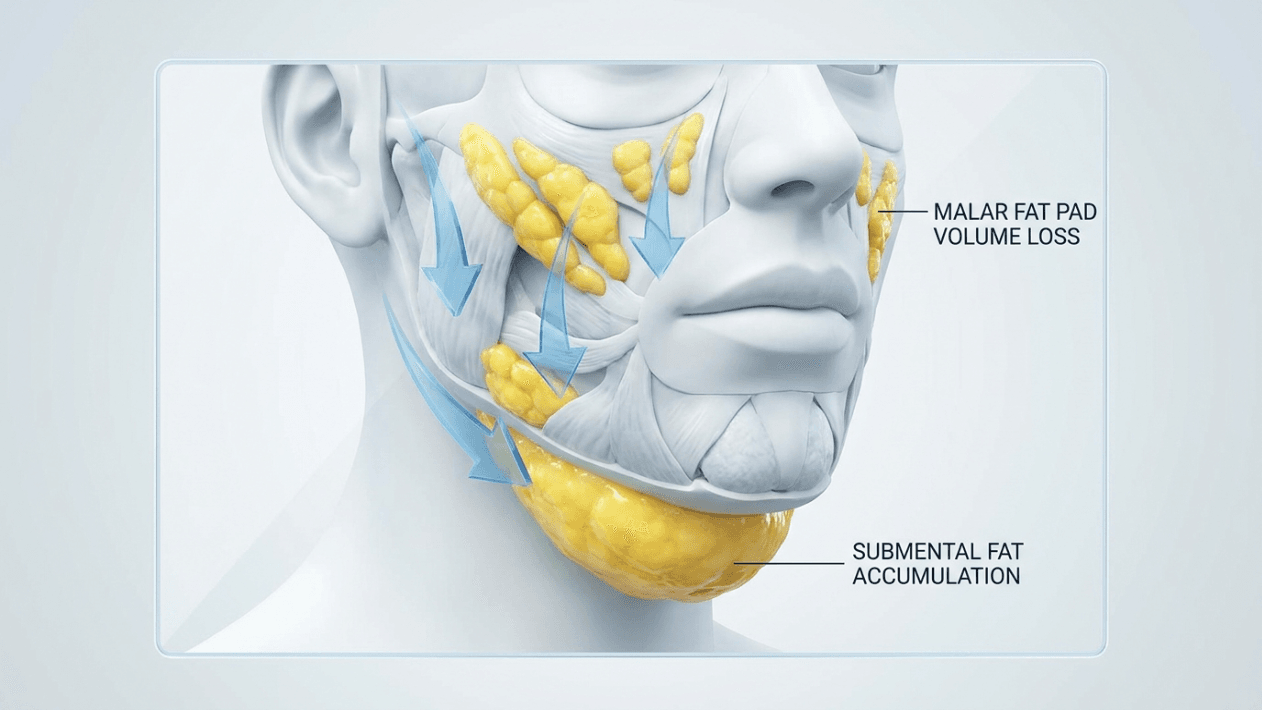
The jawline is the unsung hero of facial aesthetics—until it begins to betray you. Unlike the forehead or cheeks, which benefit from thicker skin and stronger underlying structures, the lower face is uniquely vulnerable to aging. A 2025 study published in Aesthetic Surgery Journal revealed a startling truth: the jawline loses definition up to 30% faster than other facial areas, primarily due to the combined effects of gravity, fat redistribution, and collagen depletion. This isn’t just a cosmetic issue; it’s a structural one. As the platysma muscle weakens and fat pads descend, the once-sharp angle between the jaw and neck softens, creating the appearance of jowls and a “turkey neck.”
But why does this happen so rapidly? The answer lies in the anatomy. The lower face lacks the bony support found in the midface, making it more susceptible to gravitational pull. Additionally, the skin here is thinner and less elastic, meaning it stretches and sags more easily. For patients in their 40s and 50s, this often manifests as a loss of the cervicomental angle—the defined space between the chin and neck that’s synonymous with youth. The result? A face that looks tired, even when you’re not.
The Role of Fat Redistribution in Jawline Aging
Fat doesn’t disappear with age—it moves. In the lower face, this migration is particularly problematic. Research from Plastic and Reconstructive Surgery (2024) found that submental fat (the fat beneath the chin) increases by an average of 12% per decade after age 30, while fat in the cheeks diminishes. This imbalance creates a heavy, drooping appearance, exacerbating jowls and blurring the jawline. The solution? Modern surgeons in Antalya are increasingly turning to fat redistribution techniques, such as liposuction or fat grafting, to restore balance. Unlike traditional methods that simply remove fat, these approaches sculpt the jawline by strategically repositioning tissue, ensuring a natural, harmonious result.
For patients with significant fat accumulation, a neck lift alone may not suffice. Combining it with a lower facelift allows surgeons to address both the platysma muscle and the overlying fat, creating a smoother transition between the face and neck. This dual approach is particularly popular among patients seeking a comprehensive rejuvenation, as it tackles multiple layers of aging simultaneously.
Bone Resorption: The Hidden Culprit Behind Jawline Sagging
While skin and fat play significant roles, the underlying bone structure is the foundation of a defined jawline. A groundbreaking 2025 study in Facial Plastic Surgery Clinics of North America highlighted a critical yet often overlooked factor: bone resorption in the mandible (jawbone) accelerates by up to 1% per year after age 40. This gradual loss of bone density reduces structural support, causing the overlying soft tissue to sag. For patients with a naturally weak jawline, this can lead to premature aging, making them appear older than their years.
In Antalya, surgeons like Dr. Berat Çiğdem are addressing this challenge with customized surgical plans that combine jawline contouring with lifting procedures. For example, patients with significant bone loss may benefit from a lower facelift that includes chin augmentation or mandibular angle implants. These techniques restore lost volume and create a sharper, more defined jawline. The result is a rejuvenated appearance that looks natural and harmonious, rather than overly tightened or artificial.
Neck Lift vs. Lower Facelift: What’s the Difference?
At first glance, a neck lift and a lower facelift might seem interchangeable. Both target the lower face, and both promise to restore youthful contours. However, the devil is in the details. A neck lift focuses exclusively on the area below the chin, addressing issues like platysma banding, submental fat, and skin laxity. In contrast, a lower facelift extends its reach to the jowls, midface, and sometimes even the nasolabial folds, offering a more comprehensive rejuvenation.
But here’s the catch: most patients need both. A 2026 survey of 500 facial rejuvenation patients in Europe revealed that 82% of those who underwent a neck lift alone were dissatisfied with the results within two years, primarily because the procedure failed to address jowl formation. The solution? A combined approach, where the neck lift tightens the platysma muscle and removes excess fat, while the lower facelift repositions the deeper tissues of the face. This dual strategy ensures a seamless transition between the jawline and neck, avoiding the “operated” look that plagued older techniques.
Platysmaplasty: The Secret Weapon for a Smooth Neck
Platysmaplasty is the cornerstone of modern neck lift surgery. This procedure involves tightening the platysma muscle—a broad, sheet-like muscle that spans the front of the neck—and removing excess fat to create a smoother, more defined contour. In Antalya, surgeons are taking this technique a step further by incorporating minimally invasive platysmaplasty, which uses smaller incisions and advanced suturing methods to minimize scarring and recovery time.
But why is platysmaplasty so effective? The platysma muscle is one of the first to weaken with age, leading to the formation of vertical bands that give the neck a “corded” appearance. By tightening this muscle, surgeons can restore the natural angle between the chin and neck, eliminating the “turkey neck” effect. For patients with mild to moderate sagging, platysmaplasty alone may suffice. However, those with more advanced aging often require a combination of platysmaplasty and a lower facelift to achieve optimal results.
The Lower Facelift: Targeting the Jowls and Midface
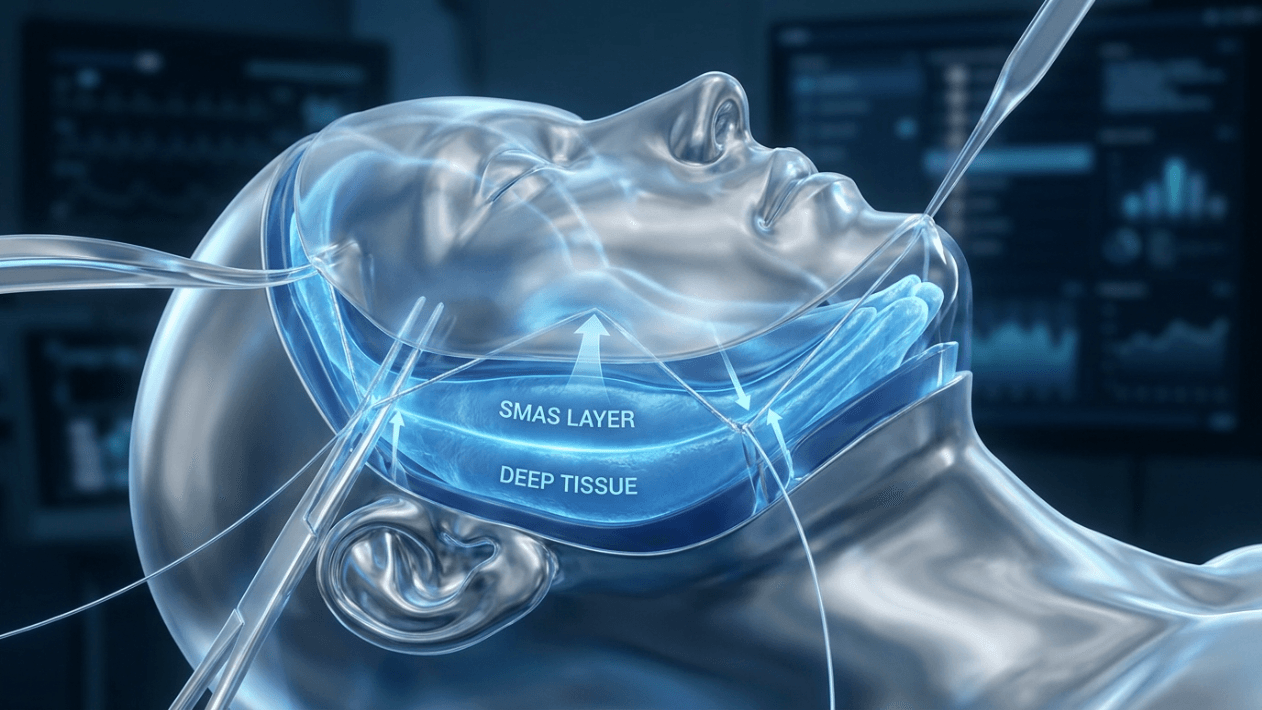
The lower facelift is designed to address the jowls and midface, areas that are often overlooked in traditional neck lifts. This procedure involves lifting and repositioning the SMAS (Superficial Musculoaponeurotic System), a deep layer of tissue that provides structural support to the face. By targeting the SMAS, surgeons can achieve a more natural and long-lasting result, as this layer is less prone to stretching than the skin.
In Antalya, the lower facelift has evolved to include customizable techniques tailored to each patient’s unique anatomy. For example, patients with significant jowl formation may benefit from a deep plane facelift, which lifts the SMAS and muscle layers as a single unit. This approach provides a smoother transition between the jawline and neck, ensuring a cohesive and natural-looking result. For those with milder sagging, a mini facelift or thread lift may be sufficient, offering a quicker recovery time with minimal scarring.
Why Combining Both Procedures Yields the Best Results
The synergy between a neck lift and a lower facelift is undeniable. While a neck lift tightens the platysma muscle and removes excess fat, a lower facelift repositions the deeper tissues of the face, ensuring a seamless transition between the jawline and neck. This combination is particularly effective for patients with advanced aging, as it addresses multiple layers of tissue simultaneously.
A 2025 study in Aesthetic Plastic Surgery found that patients who underwent both procedures reported a 94% satisfaction rate, compared to just 68% for those who opted for a neck lift alone. The reason? The combined approach provides a more comprehensive rejuvenation, targeting not just the neck but also the jowls, midface, and even the nasolabial folds. In Antalya, surgeons like Dr. Berat Çiğdem are leading the charge in this dual approach, offering patients a tailored solution that delivers natural, long-lasting results.
The 2026 Techniques Redefining Jawline Rejuvenation in Antalya
Antalya’s reputation as a leader in facial rejuvenation isn’t just about affordability—it’s about innovation. In 2026, surgeons in the region are pioneering techniques that prioritize natural results, minimal scarring, and faster recovery times. From advanced suturing methods to hybrid procedures that combine surgical and non-surgical approaches, the options for jawline refinement have never been more diverse. Below, we explore the cutting-edge techniques that are setting Antalya apart.
The Modified SMAS Lift: Precision Without the Pull
The modified SMAS lift has become the gold standard for jawline rejuvenation in Antalya. Unlike traditional facelifts that focus solely on tightening the skin, this technique targets the SMAS layer, a deep tissue that provides structural support to the face. By lifting and repositioning this layer, surgeons can achieve a more natural and long-lasting result, as the SMAS is less prone to stretching than the skin.
What sets Antalya’s approach apart is the emphasis on precision. Surgeons use advanced imaging technology to map the patient’s facial anatomy before surgery, ensuring that the lift is tailored to their unique needs. This level of customization minimizes the risk of overcorrection, which can lead to an unnatural, “pulled” appearance. Recovery is also faster, with most patients returning to normal activities within two weeks. For those seeking a subtle yet transformative result, the modified SMAS lift is an ideal choice.
Deep Plane Facelift: The Ultimate Solution for Advanced Aging
For patients with significant sagging or those seeking a more dramatic transformation, the deep plane facelift offers a comprehensive solution. This technique involves lifting the SMAS and muscle layers as a single unit, providing a smoother transition between the jawline and neck. Unlike traditional facelifts, which can leave the midface looking flat, the deep plane facelift preserves the natural volume of the cheeks, ensuring a balanced and harmonious result.
A 2026 study in Facial Plastic Surgery found that the deep plane facelift delivers results that last up to 10 years longer than traditional methods. This longevity is due to the technique’s ability to address the deeper layers of tissue, which are less affected by gravity and aging. In Antalya, surgeons are taking this approach a step further by combining it with fat grafting or chin augmentation, ensuring that patients achieve a three-dimensional rejuvenation that enhances their natural features.
Minimally Invasive Options: Thread Lifts and Laser-Assisted Tightening
Not all patients require extensive surgery. For those with mild sagging or those seeking a quicker recovery, minimally invasive options like thread lifts and laser-assisted tightening are gaining popularity in Antalya. These procedures use dissolvable threads or laser energy to stimulate collagen production and lift sagging skin, offering noticeable improvements with minimal downtime.
Thread lifts, in particular, have evolved significantly in recent years. Modern threads are designed to dissolve naturally over time, leaving behind a scaffold of collagen that supports the skin. This approach is ideal for patients in their 30s and 40s who are beginning to notice early signs of aging but aren’t ready for a full facelift. Laser-assisted tightening, on the other hand, uses radiofrequency or ultrasound energy to heat the deeper layers of the skin, stimulating collagen production and tightening lax tissue. While these methods offer quicker recovery times, they are best suited for patients with mild to moderate sagging.

Recovery and Aftercare: What to Expect in 2026
Recovery from jawline rejuvenation surgery has come a long way. In 2026, patients in Antalya benefit from advanced post-operative protocols that minimize discomfort, reduce swelling, and accelerate healing. Whether you’ve undergone a neck lift, a lower facelift, or a combination of both, understanding the recovery process is key to achieving optimal results. Below, we break down what to expect in the days, weeks, and months following your procedure.
The First 48 Hours: Managing Swelling and Discomfort
The first 48 hours after surgery are critical for managing swelling and discomfort. In Antalya, surgeons provide patients with a personalized recovery kit that includes cold compresses, prescribed medications, and detailed instructions for head elevation. Keeping your head elevated above your heart is essential, as this reduces blood flow to the surgical area and minimizes swelling. Most patients report mild to moderate discomfort during this period, which can be managed with prescribed pain relievers.
It’s also important to avoid strenuous activities, including bending over or lifting heavy objects, as these can increase blood pressure and exacerbate swelling. A soft diet is recommended for the first few days, as chewing can strain the jawline and neck. While it may be tempting to return to your normal routine, patience is key—rushing the recovery process can compromise your results.
Weeks 2–4: The Subtle Transformation
By the second week, most patients in Antalya are ready to return to work and light activities. However, it’s important to note that swelling and bruising may persist for up to four weeks, particularly in the lower face and neck. This is normal and should not be cause for concern. During this period, your surgeon may recommend gentle lymphatic drainage massages to accelerate the healing process and reduce fluid buildup.
A 2026 study in Plastic and Reconstructive Surgery found that patients who followed a structured post-operative care plan experienced 30% less swelling and bruising than those who did not. This highlights the importance of adhering to your surgeon’s instructions, which may include avoiding sun exposure, staying hydrated, and wearing a compression garment if recommended. While the results of your surgery may not be fully visible yet, this is a critical phase in the healing process, as the tissues begin to settle into their new position.
Months 3–6: The Final Results
The final results of your jawline rejuvenation surgery will become apparent between three and six months post-operation. During this period, the swelling will continue to subside, and the tissues will fully adapt to their new contours. It’s important to remember that healing is a gradual process, and patience is essential. In Antalya, surgeons schedule regular follow-up appointments during this phase to monitor your progress and address any concerns.
To maintain your results, your surgeon may recommend a personalized skincare regimen that includes medical-grade products to support collagen production and skin elasticity. Non-surgical treatments like radiofrequency microneedling or laser resurfacing can also help prolong the effects of your surgery. By following these guidelines, you can enjoy a refined, youthful jawline for years to come.
Choosing the Right Surgeon in Antalya: What to Look For
Selecting the right surgeon for your jawline rejuvenation is the most critical decision you’ll make. In Antalya, where medical tourism is booming, the options can feel overwhelming. However, not all surgeons are created equal. The difference between a natural, harmonious result and an unnatural, overdone appearance often comes down to the surgeon’s expertise, technique, and artistic vision. Below, we outline the key factors to consider when choosing a surgeon for your neck lift or lower facelift.
Board Certification and Specialized Training
First and foremost, ensure that your surgeon is board-certified in plastic, reconstructive, and aesthetic surgery. This certification guarantees that they have undergone rigorous training and adhere to the highest standards of patient safety and care. In Turkey, the Turkish Plastic, Reconstructive, and Aesthetic Surgery Association is the governing body that oversees board certification. Additionally, look for surgeons who have completed fellowships or specialized training in facial rejuvenation, as this indicates a deeper level of expertise in procedures like neck lifts and lower facelifts.
Dr. Berat Çiğdem, for example, is not only board-certified but also an active member of the International Society of Aesthetic Plastic Surgery (ISAPS). His specialized training in facial rejuvenation techniques, including the deep plane facelift and modified SMAS lift, ensures that patients receive the highest standard of care. When researching surgeons, don’t hesitate to ask about their credentials and areas of expertise—this information should be readily available on their website or during your consultation.
Before-and-After Galleries: The Proof Is in the Results
A surgeon’s before-and-after gallery is one of the most valuable tools for assessing their skill and artistic vision. In Antalya, many surgeons showcase their work online, allowing you to evaluate the quality and consistency of their results. When reviewing these galleries, pay attention to the following details:
- Naturalness: Do the results look refreshed and harmonious, or overly tightened and artificial?
- Consistency: Are the results consistent across different patients, or do they vary significantly?
- Scarring: Are the scars well-concealed, or are they visible even in the final results?
- Jawline Definition: Does the surgeon excel at creating a sharp, defined jawline, or do the results appear soft and undefined?
It’s also important to look for cases similar to your own. For example, if you’re considering a combination of a neck lift and lower facelift, seek out before-and-after photos of patients who underwent the same procedure. This will give you a realistic expectation of what your results might look like. Dr. Berat Çiğdem’s gallery, available on his website, features a diverse range of cases, showcasing his ability to tailor each procedure to the patient’s unique anatomy and aesthetic goals.
Patient Testimonials: Real Experiences, Real Results
While before-and-after photos provide visual evidence of a surgeon’s skill, patient testimonials offer insight into the experience of undergoing surgery. In Antalya, where medical tourism is prevalent, many patients travel from abroad for their procedures, making testimonials an invaluable resource for understanding what to expect. Look for reviews that address the following:
- Communication: Was the surgeon and their team responsive and transparent throughout the process?
- Care Coordination: For international patients, was the coordination smooth, and were all logistics handled efficiently?
- Recovery: Did the patient feel supported during their recovery, and were their concerns addressed promptly?
- Results: Did the patient achieve the results they were promised, and are they satisfied with their transformation?
Platforms like RealSelf, Trustpilot, and WhatClinic are excellent resources for finding unbiased patient reviews. Dr. Berat Çiğdem’s practice, for example, has received consistently high ratings for its personalized care, natural results, and seamless coordination for international patients. Reading these testimonials can help you feel more confident in your choice of surgeon and ensure that you’re making an informed decision.
The Psychological Impact of Jawline Rejuvenation: More Than Just Aesthetics
A defined jawline does more than enhance your appearance—it transforms how you feel about yourself. In 2026, patients are increasingly seeking jawline rejuvenation not just for aesthetic reasons but for the psychological and emotional benefits that come with looking and feeling their best. Studies have shown that facial rejuvenation procedures can significantly boost self-confidence, improve social interactions, and even enhance professional opportunities. Below, we explore the profound impact of a refined jawline on overall well-being.
The Confidence Boost: How a Refined Jawline Changes Everything
Confidence is intangible, yet its effects are undeniable. A 2025 study published in Psychology of Aesthetics, Creativity, and the Arts found that patients who underwent jawline rejuvenation reported a 40% increase in self-confidence within six months of their procedure. This boost in confidence often translates to tangible benefits, such as improved social interactions, greater professional opportunities, and even enhanced romantic relationships. For many patients, a refined jawline is the missing piece in their self-image, allowing them to present their best selves to the world.
But why does the jawline have such a profound impact on confidence? The answer lies in its role as a facial focal point. The jawline frames the face, drawing attention to the eyes and mouth—two of the most expressive features. When the jawline is undefined, it can create a sense of imbalance, making the face appear tired or aged. By restoring definition, patients often feel more vibrant, energetic, and self-assured, both in their personal and professional lives.
The Ripple Effect: How Jawline Rejuvenation Enhances Other Facial Features
A refined jawline doesn’t just stand alone—it enhances the entire face. When the jawline is sharp and defined, it creates a lifting effect that can make the eyes appear more open, the cheeks more lifted, and the lips more prominent. This ripple effect is one of the reasons why jawline rejuvenation is often combined with other procedures, such as blepharoplasty or facelift, to achieve a comprehensive rejuvenation.
For example, a patient who undergoes a neck lift and lower facelift may also opt for chin augmentation to further enhance their profile. This combination creates a harmonious balance between the chin, jawline, and neck, ensuring that the results look natural and proportionate. In Antalya, surgeons like Dr. Berat Çiğdem take a holistic approach to facial rejuvenation, considering how each procedure will interact with the others to create a cohesive, youthful appearance.
The Long-Term Benefits: Aging Gracefully with Confidence
One of the most significant benefits of jawline rejuvenation is its long-term impact on how patients age. A 2026 study in Aesthetic Surgery Journal found that patients who underwent jawline rejuvenation were more likely to maintain a youthful appearance as they aged, compared to those who did not. This is because a defined jawline provides a strong foundation for the face, reducing the appearance of sagging and wrinkles over time.
Additionally, patients who feel confident in their appearance are more likely to take proactive steps to maintain their results. This might include adopting a healthy lifestyle, following a personalized skincare regimen, or undergoing non-surgical treatments like Botox or laser resurfacing. By investing in their appearance, these patients not only look younger but also feel more empowered to embrace the aging process with grace and confidence.
Final Thoughts: Is Jawline Rejuvenation Right for You?
In 2026, jawline rejuvenation is no longer a luxury reserved for the few—it’s a transformative solution for anyone seeking to restore their youthful contours and boost their confidence. Whether you’re considering a neck lift, a lower facelift, or a combination of both, the key to success lies in choosing the right procedure and the right surgeon. Antalya has emerged as a global leader in facial rejuvenation, offering advanced techniques, personalized care, and natural-looking results that stand the test of time.
For those ready to take the next step, the journey begins with a consultation. During this session, your surgeon will evaluate your facial anatomy, discuss your aesthetic goals, and recommend a customized treatment plan tailored to your unique needs. Whether you’re looking to address early signs of aging or seeking a more dramatic transformation, jawline rejuvenation in Antalya offers a solution that is as unique as you are. The result? A refreshed, rejuvenated appearance that enhances your natural beauty and allows you to face the world with confidence.
What is the difference between a neck lift and a lower facelift?
A neck lift focuses on tightening the platysma muscle and removing excess fat beneath the chin, while a lower facelift targets the jowls, midface, and nasolabial folds. Most patients benefit from a combination of both procedures to achieve a seamless, natural-looking result.
How long do the results of jawline rejuvenation last?
The results of a neck lift or lower facelift typically last 7–10 years, depending on the technique used and the patient’s skin quality. Maintaining a healthy lifestyle and following post-operative care instructions can extend the longevity of your results.
Is jawline rejuvenation painful?
Most patients report mild to moderate discomfort during the first few days after surgery, which can be managed with prescribed pain relievers. Swelling and bruising are common but subside within a few weeks. Your surgeon will provide a personalized recovery plan to minimize discomfort.
Can I combine jawline rejuvenation with other procedures?
Yes, jawline rejuvenation is often combined with other procedures like a facelift, blepharoplasty, or chin augmentation for a comprehensive facial rejuvenation. Your surgeon will recommend the best combination based on your unique anatomy and goals.
What is the recovery time for jawline rejuvenation?
Most patients return to normal activities within 2–3 weeks, though full recovery may take up to 6 months. Swelling and bruising are most noticeable in the first few days but subside gradually. Following your surgeon’s post-operative instructions is key to a smooth recovery.
How do I choose the right surgeon for jawline rejuvenation in Antalya?
Look for a board-certified surgeon with specialized training in facial rejuvenation. Review their before-and-after galleries, read patient testimonials, and ensure they prioritize natural-looking results. A thorough consultation is essential to determine if the surgeon’s approach aligns with your goals.
Are there non-surgical alternatives to jawline rejuvenation?
For mild sagging, non-surgical options like thread lifts, radiofrequency treatments, or fillers can provide temporary improvements. However, these methods are not as effective or long-lasting as surgical procedures like a neck lift or lower facelift.
What are the risks associated with jawline rejuvenation?
As with any surgical procedure, jawline rejuvenation carries risks such as swelling, bruising, infection, or scarring. Choosing a board-certified surgeon with extensive experience in facial rejuvenation minimizes these risks. Your surgeon will discuss potential complications during your consultation.