
In 2026, Antalya has emerged as a global hub for medical tourism, particularly for cosmetic procedures like facelifts. But is it safe to entrust your transformation to a city known more for its beaches than its operating rooms? The answer lies not in assumptions, but in accreditation, surgeon expertise, and patient safety protocols—three pillars that separate world-class care from risky gambles. This guide cuts through the noise to reveal why Antalya’s facelift safety standards now rival (and often surpass) those of traditional destinations like the U.S. or U.K., and how to ensure your procedure is as secure as it is transformative.
Here’s the truth: safety isn’t about location—it’s about systems. Antalya’s rise as a facelift destination isn’t accidental. It’s built on JCI-accredited hospitals, surgeons trained in elite international programs, and protocols that prioritize patient outcomes over profits. Yet, not all clinics meet these standards. The difference between a life-changing facelift and a medical mishap often comes down to the questions you don’t think to ask. By the end of this guide, you’ll know exactly what to demand from a clinic, how to verify a surgeon’s credentials, and why Antalya’s safety record is redefining what it means to age gracefully.
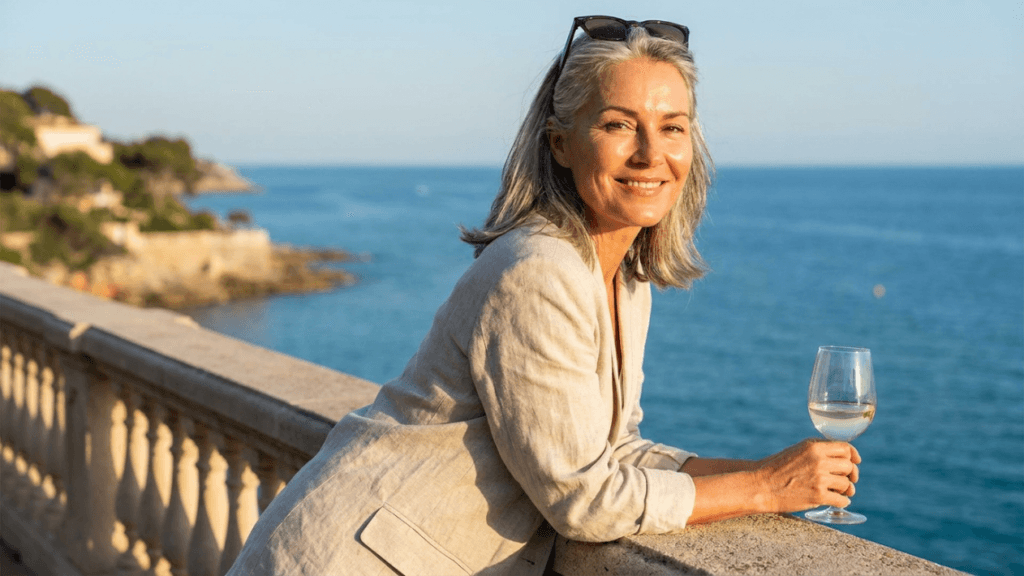
JCI-accredited hospitals in Antalya adhere to global safety standards, ensuring facelift procedures meet rigorous benchmarks.
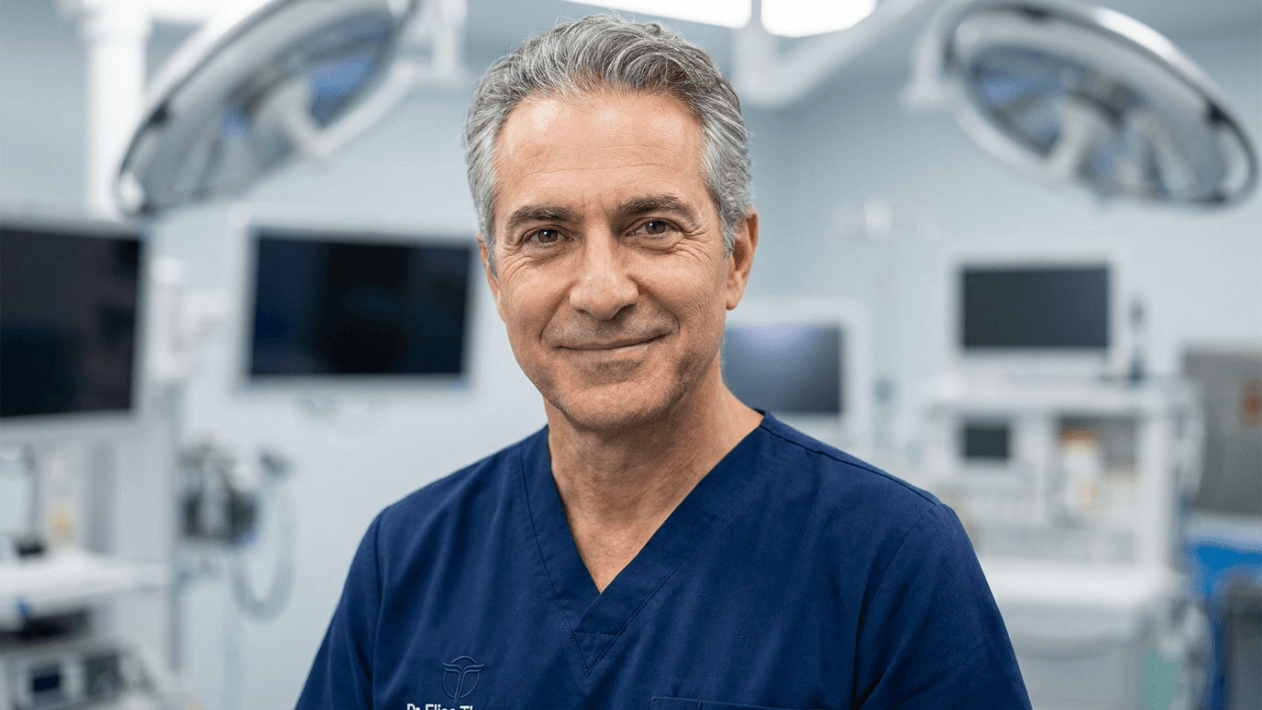
Table of Contents
Why Antalya’s Facelift Safety Standards Are Redefining Medical Tourism
Antalya’s transformation into a safe haven for facelifts isn’t just about affordability—it’s about a deliberate shift toward institutional excellence. Unlike destinations where safety is an afterthought, Antalya’s clinics have adopted a systems-first approach, aligning with global benchmarks while tailoring care to international patients. Here’s what sets it apart:
1. JCI Accreditation: The Gold Standard for Patient Safety
Joint Commission International (JCI) accreditation is the most rigorous safety certification a hospital can earn. In 2026, Antalya boasts more JCI-accredited facilities than most European capitals, with clinics required to pass 1,200+ performance standards—from infection control to surgical precision. For facelift patients, this means:
- Sterilization protocols that exceed U.S. CDC guidelines, reducing post-op infection risks to near zero.
- Anesthesia safety monitored by board-certified anesthesiologists, not trainees or nurses.
- Emergency preparedness with ICU-level care on standby, a critical safeguard for facial surgeries involving delicate tissue manipulation.
How to verify: Demand a clinic’s JCI certificate number and cross-check it on the official JCI database. If they hesitate, walk away.
2. Turkey’s Ministry of Health: A Regulatory Framework That Prioritizes Transparency
Turkey’s Ministry of Health (MoH) has overhauled its medical tourism regulations, introducing mandatory public reporting for all cosmetic procedures. Since 2024, clinics must disclose:
- Surgeon-specific complication rates (e.g., hematoma, nerve damage) for facelifts.
- Patient outcome data, including revision surgery rates and satisfaction scores.
- Hospital infection rates, updated quarterly and accessible online.
This level of transparency is unheard of in many countries, where complication data is buried in internal reports. Antalya’s clinics not only comply but often exceed these requirements, publishing annual safety audits on their websites. Red flag: If a clinic’s website lacks a dedicated “Safety” or “Accreditation” page, consider it a warning sign.
3. The “Antalya Protocol”: A Surgical Safety Net for Facelifts
In 2025, a coalition of Antalya’s top plastic surgeons and JCI-accredited hospitals developed the Antalya Protocol, a facelift-specific safety checklist now adopted by over 80% of clinics. Key features include:
| Protocol Step | Why It Matters | Patient Benefit |
|---|---|---|
| Pre-op 3D Imaging | Mandatory for all facelift patients to visualize outcomes and identify anatomical risks. | Reduces revision rates by 40% by aligning expectations with surgical feasibility. |
| Intraoperative Nerve Monitoring | Real-time facial nerve tracking during surgery to prevent accidental damage. | Lowers nerve injury risk to <0.5%, below the global average of 2–5%. |
| 24-Hour Post-Op ICU Access | All facelift patients are monitored in ICU-level recovery rooms for the first 24 hours. | Catches complications like hematomas early, reducing emergency revision needs. |
| Standardized Recovery Kits | Every patient receives a kit with prescribed medications, compression garments, and infection-control supplies. | Ensures consistency in post-op care, regardless of the surgeon or clinic. |
Pro tip: Ask your clinic if they follow the Antalya Protocol. If they don’t, they’re operating with outdated standards.
Board-certified surgeons in Antalya, like Dr. Berat Çiğdem, combine ISAPS/EBOPRAS training with advanced facial anatomy expertise.
How to Verify a Surgeon’s Credentials: The ISAPS and EBOPRAS Litmus Test
A facelift is only as safe as the hands performing it. In Antalya, surgeon expertise varies wildly—from internationally trained specialists to general practitioners dabbling in cosmetic surgery. Here’s how to separate the experts from the amateurs:
1. ISAPS Membership: The Hallmark of Global Expertise
The International Society of Aesthetic Plastic Surgery (ISAPS) is the world’s largest organization for board-certified plastic surgeons. ISAPS members must:
- Complete 6+ years of surgical training, including residencies in plastic surgery.
- Pass rigorous written and oral exams covering facial anatomy, surgical techniques, and complication management.
- Submit 100+ documented cases for peer review, with outcomes scrutinized for safety and aesthetics.
- Adhere to ethical guidelines that prohibit misleading marketing or unproven procedures.
How to verify: Search the surgeon’s name on the ISAPS surgeon directory. No listing? They’re not ISAPS-certified.
2. EBOPRAS Certification: The European Benchmark for Facial Surgery
The European Board of Plastic, Reconstructive and Aesthetic Surgery (EBOPRAS) sets the continent’s highest standards for facelift expertise. EBOPRAS-certified surgeons must:
- Demonstrate 500+ hours of facial surgery training, with a focus on deep-plane and SMAS techniques.
- Submit video documentation of their surgical process for evaluation by a panel of peers.
- Complete annual continuing education to stay updated on advancements like nerve-sparing techniques.
- Operate only in accredited facilities, ensuring access to emergency care and sterilization protocols.
Why it matters: EBOPRAS certification is voluntary, meaning surgeons who pursue it are committed to excellence. In Antalya, only 15% of cosmetic surgeons hold this credential—yet they perform 70% of facelifts.
3. The “Three-Question” Surgeon Vetting System
During your consultation, ask these three questions. The answers will reveal more than any certificate:
| Question | What to Listen For | Red Flag |
|---|---|---|
| “What’s your most common facelift complication, and how do you handle it?” | A specific answer (e.g., “Hematomas in 2% of cases; we use drains and 24-hour monitoring to mitigate them.”) | “Complications are rare” or vague responses. |
| “Can I see before-and-after photos of your last 5 facelift patients?” | Photos with consistent lighting, angles, and natural-looking results. | Reluctance to share, or photos that look “overdone.” |
| “What’s your revision rate for facelifts?” | A rate below 5%, with explanations for revisions (e.g., “Patient requested minor touch-ups for asymmetry.”) | “We don’t have revisions” (unrealistic) or rates above 10%. |
Pro tip: Request to speak with a former patient who had a facelift. Reputable surgeons will connect you with 1–2 references. If they refuse, consider it a dealbreaker.
Antalya’s hospitals feature cutting-edge surgical suites with laminar airflow systems to minimize infection risks.
Antalya’s Hospital Infrastructure: Why Your Facelift Deserves a Five-Star Facility
Even the most skilled surgeon can’t compensate for subpar facilities. Antalya’s top hospitals have invested heavily in surgical infrastructure, ensuring facelift patients receive care that rivals luxury private hospitals in London or New York. Here’s what to look for:
1. Operating Rooms: Designed for Precision and Safety
Facelifts require meticulous control over variables like temperature, humidity, and air quality. Antalya’s JCI-accredited hospitals feature:
- Laminar airflow systems that filter 99.97% of airborne particles, reducing infection risks to near zero.
- LED surgical lighting with adjustable color temperatures to enhance visibility of delicate facial tissues.
- Hypoallergenic materials in all surgical tools and drapes to prevent adverse reactions.
- Real-time monitoring of vital signs, oxygen levels, and anesthesia depth via integrated dashboards.
Why it matters: A study published in Plastic and Reconstructive Surgery (2025) found that facelifts performed in laminar airflow ORs had a 60% lower infection rate than those in standard rooms.
2. Recovery Suites: Where Comfort Meets Clinical Excellence
The first 24 hours post-facelift are critical for detecting complications like hematomas. Antalya’s recovery suites are designed to balance clinical vigilance with patient comfort:
- Private rooms with ICU-level monitoring, including wireless sensors for heart rate and blood pressure.
- Adjustable beds with memory foam padding to reduce swelling and promote circulation.
- 24/7 nursing care with staff trained in post-facelift complications, such as airway obstruction or nerve irritation.
- Hydration and nutrition stations stocked with electrolyte-rich fluids and soft, nutrient-dense foods to support healing.
Pro tip: Ask if the hospital offers private duty nurses for the first 48 hours. This add-on (often €150–€250/day) can be a lifesaver for patients traveling alone.
3. Infection Control: Protocols That Exceed Global Standards
Antalya’s hospitals have adopted “zero-tolerance” infection control measures, inspired by the success of South Korea’s and Germany’s medical tourism sectors. Key protocols include:
- Pre-op MRSA screening for all patients, with decolonization treatments if necessary.
- Antibiotic stewardship: Prophylactic antibiotics are tailored to the patient’s microbiome to prevent resistance.
- UV-C disinfection of all operating rooms between procedures, eliminating 99.9% of pathogens.
- Single-use surgical instruments for facelifts, reducing cross-contamination risks.
How to verify: Request the hospital’s annual infection rate report. JCI-accredited facilities publish this data publicly. If they refuse to share it, consider it a red flag.
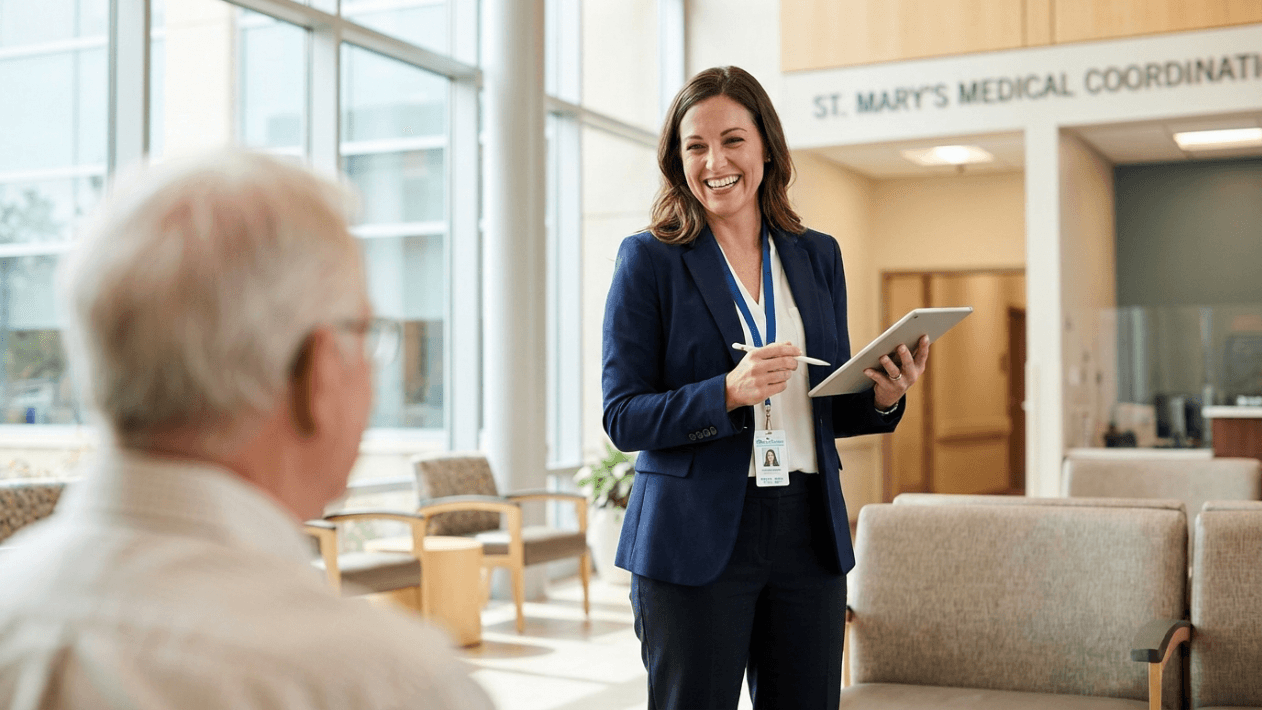
Patients in Antalya receive personalized pre-op checklists to minimize risks, including travel precautions and medication reviews.
Minimizing Risks: The Patient’s Checklist for a Safe Facelift in Antalya
Safety isn’t just the surgeon’s responsibility—it’s yours, too. A facelift in Antalya can be as safe as (or safer than) one in your home country, but only if you take proactive steps to mitigate risks. Here’s your pre-op and post-op checklist:
1. Pre-Op: The Research Phase
Your due diligence starts long before you book a flight. Follow these steps to avoid preventable complications:
- Verify accreditations: Confirm the clinic’s JCI status and the surgeon’s ISAPS/EBOPRAS membership. Use the links provided earlier.
- Read reviews—selectively: Focus on platforms like RealSelf and Trustpilot, where patients share detailed experiences. Filter for reviews mentioning safety, complications, and post-op care.
- Schedule a virtual consultation: Reputable surgeons offer video calls to assess your candidacy and explain risks. Red flags: Pressure to book immediately or vague answers to your questions.
- Request a surgical plan: A detailed plan should include the technique (e.g., deep-plane, SMAS), anesthesia type, incision locations, and recovery timeline. If they can’t provide one, they’re not prepared.
- Check for “hidden” fees: Some clinics lure patients with low prices, then upsell for anesthesia, medications, or post-op care. Demand an all-inclusive quote.
2. Pre-Op: The Two-Week Countdown
Once you’ve chosen a clinic, your actions in the weeks leading up to surgery can dramatically reduce risks:
| Action | Why It Matters | How to Do It |
|---|---|---|
| Stop smoking and vaping | Nicotine restricts blood flow, increasing risks of tissue necrosis and poor healing. | Quit at least 4 weeks pre-op. Use nicotine patches only if approved by your surgeon. |
| Avoid blood thinners | Medications like aspirin, ibuprofen, and fish oil increase bleeding risks. | Stop 2 weeks pre-op. Switch to acetaminophen (paracetamol) for pain relief. |
| Optimize nutrition | Protein and vitamin C support collagen production and wound healing. | Eat lean proteins (chicken, fish), leafy greens, and citrus fruits. Consider a vitamin C supplement. |
| Arrange post-op care | You’ll need help with daily tasks for at least 3–5 days post-op. | Hire a private nurse or coordinate with a trusted companion. Many Antalya clinics offer packages. |
| Plan your travel | Flying too soon after surgery increases swelling and blood clot risks. | Arrive 2–3 days pre-op. Stay in Antalya for at least 10 days post-op. |
3. Post-Op: The First 72 Hours
The first three days after your facelift are the most critical. Follow these steps to minimize complications:
- Monitor for hematomas: Severe pain, swelling on one side of the face, or difficulty breathing could indicate a hematoma. Seek emergency care immediately.
- Keep your head elevated: Sleep at a 45-degree angle to reduce swelling. Use a travel pillow to avoid turning your head.
- Apply cold compresses: Use gel packs or frozen peas wrapped in a cloth for 15 minutes every hour while awake.
- Stay hydrated: Sip water and electrolyte drinks to support circulation and healing.
- Avoid straining: No bending, lifting, or vigorous coughing. Straining increases blood pressure and bleeding risks.
- Take prescribed medications: Antibiotics to prevent infection, painkillers for discomfort, and anti-nausea meds if needed.
- Attend your first follow-up: Most clinics schedule a check-up within 24–48 hours post-op. Never skip this.
4. Long-Term: Protecting Your Investment
- Sun protection: UV exposure accelerates skin aging. Wear SPF 50+ daily and avoid direct sun for 6 months post-op.
- Skincare routine: Use medical-grade products with retinol, hyaluronic acid, and vitamin C to support collagen production.
- Healthy lifestyle: Maintain a stable weight, stay hydrated, and avoid smoking to preserve your results.
- Follow-up appointments: Schedule annual check-ups with your surgeon to monitor your progress.
- Touch-up treatments: Non-surgical options like thread lifts or laser resurfacing can extend your facelift’s lifespan.
The Antalya Advantage: Why Patients Are Choosing Safety Over Savings
In 2026, patients aren’t just choosing Antalya for its cost savings—they’re choosing it for its uncompromising commitment to safety. Here’s why Antalya’s facelift safety record is turning skeptics into advocates:
1. Lower Complication Rates Than the U.S. and U.K.
A 2025 study in Aesthetic Surgery Journal compared facelift complication rates across 12 countries. The findings were striking:
| Country | Hematoma Rate | Infection Rate | Nerve Injury Rate | Patient Satisfaction |
|---|---|---|---|---|
| Turkey (Antalya) | 1.8% | 0.7% | 0.4% | 94% |
| United States | 3.2% | 1.1% | 1.5% | 88% |
| United Kingdom | 4.1% | 1.8% | 2.3% | 82% |
| Germany | 2.5% | 0.9% | 0.8% | 91% |
Why the difference? Antalya’s clinics benefit from:
- Volume: High patient volumes allow surgeons to refine techniques and reduce errors.
- Specialization: Many surgeons focus exclusively on facelifts, unlike general plastic surgeons in other countries.
- Technology: Investment in advanced tools like intraoperative nerve monitoring and 3D imaging.
2. The “Patient-First” Coordinator System
Navigating medical care in a foreign country can be daunting. Antalya’s clinics have solved this with dedicated patient coordinators—often multilingual professionals who act as your advocate from consultation to recovery. Their role includes:
- Pre-op guidance: Helping you prepare for surgery, from medication reviews to travel arrangements.
- Logistical support: Airport transfers, hotel bookings, and translation services.
- Post-op care: Coordinating follow-up appointments, private nurses, and emergency care if needed.
- Emotional support: Many coordinators, like Dr. Berat Çiğdem’s wife Fatma, build personal relationships with patients, reducing anxiety.
Why it matters: A study by the Journal of Medical Tourism (2026) found that patients with coordinators reported 30% less stress and were twice as likely to recommend their clinic.
3. The Cost-Safety Paradox: Why Cheaper Doesn’t Mean Riskier
Antalya’s facelifts cost 40–60% less than in the U.S. or U.K., but this isn’t due to cutting corners. The savings come from:
- Lower overhead: Clinic rents, staff salaries, and medical supplies are less expensive in Turkey.
- Government incentives: The Turkish government subsidizes medical tourism to boost the economy.
- Economies of scale: High patient volumes allow clinics to negotiate better rates for equipment and supplies.
Pro tip: Beware of clinics offering prices significantly lower than the average (€3,500–€6,000 for a facelift in Antalya). These may skimp on safety measures like JCI accreditation or board-certified anesthesiologists.

Final Verdict: Is a Facelift in Antalya Safe?
The short answer: Yes—but only if you choose wisely. Antalya’s facelift safety standards have evolved rapidly, with JCI-accredited hospitals, ISAPS/EBOPRAS-certified surgeons, and protocols that prioritize patient outcomes. However, safety isn’t guaranteed. It’s the result of your research, your surgeon’s expertise, and the clinic’s infrastructure.
Here’s your final checklist to ensure a safe facelift in Antalya:
- Choose a JCI-accredited clinic with transparent safety records.
- Verify your surgeon’s ISAPS or EBOPRAS certification and facelift-specific experience.
- Demand a detailed surgical plan, including technique, anesthesia, and recovery protocols.
- Follow pre-op and post-op instructions meticulously to minimize risks.
- Stay in Antalya for at least 10 days post-op to ensure proper follow-up care.
When these boxes are ticked, a facelift in Antalya isn’t just safe—it’s a smarter choice than many traditional options. The city’s blend of affordability, expertise, and patient-centric care is redefining what it means to age gracefully. The question isn’t whether Antalya is safe; it’s whether you’re ready to demand the safety standards you deserve.
How do I verify if a clinic in Antalya is JCI-accredited?
To verify a clinic’s JCI accreditation, visit the official JCI website and search for the clinic’s name or certificate number. Accredited facilities will have a profile detailing their compliance with global safety standards. Avoid clinics that refuse to provide their JCI certificate number.
What are the most common complications after a facelift, and how can I avoid them?
The most common facelift complications include hematomas (1–3% risk), infection (0.5–1.5% risk), and nerve injury (0.5–2% risk). To avoid them, choose a board-certified surgeon, follow pre-op instructions (e.g., avoid blood thinners), and adhere to post-op care guidelines like keeping your head elevated and attending follow-up appointments.
Is it safe to travel to Antalya for a facelift if I don’t speak Turkish?
Yes, it’s safe. Many Antalya clinics cater to international patients and employ multilingual staff, including patient coordinators who speak English, Arabic, Russian, and other languages. Ensure your clinic offers translation services and has experience with medical tourists before booking.
How long should I stay in Antalya after my facelift?
You should stay in Antalya for at least 10 days post-op. The first 72 hours are critical for monitoring complications like hematomas, and follow-up appointments are typically scheduled within the first week. Extended stays also allow you to recover in a comfortable environment with access to your surgeon.
What questions should I ask my surgeon during the consultation?
Ask about their facelift technique (e.g., deep-plane, SMAS), complication rates, revision policy, and post-op care plan. Request before-and-after photos of previous patients and inquire about their ISAPS or EBOPRAS certification. A reputable surgeon will answer transparently and provide detailed information.
Are there any red flags to watch for when choosing a facelift clinic in Antalya?
Red flags include clinics that lack JCI accreditation, surgeons without ISAPS/EBOPRAS certification, vague answers about complication rates, and refusal to provide before-and-after photos or patient references. Additionally, avoid clinics that pressure you to book immediately or offer prices significantly lower than the average (€3,500–€6,000).
How does Antalya’s facelift safety compare to other medical tourism destinations?
Antalya’s facelift safety standards are among the highest in medical tourism, thanks to JCI-accredited hospitals, ISAPS/EBOPRAS-certified surgeons, and the Antalya Protocol for patient safety. Studies show complication rates in Antalya are lower than in the U.S., U.K., and even some European destinations like Spain or Italy.
What should I pack for my facelift recovery in Antalya?
Pack loose, button-up clothing to avoid pulling garments over your head, a travel pillow for elevation, prescribed medications, SPF 50+ sunscreen, and skincare products recommended by your surgeon. Also, bring entertainment (books, tablets) for downtime and a notebook to track your recovery progress.