
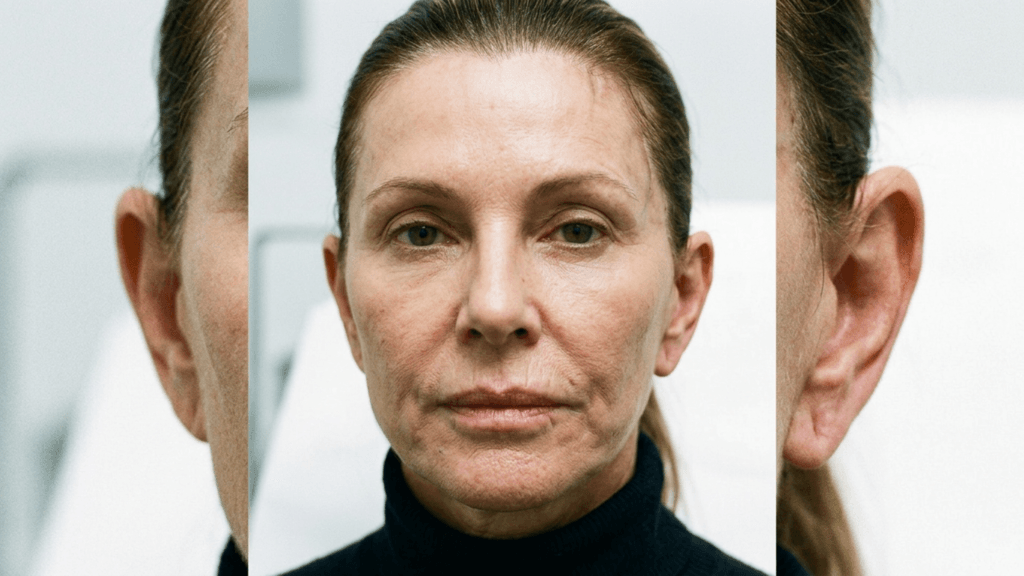
The quest for a naturally rejuvenated, gracefully aging face has led to significant advancements in facelift surgery. Among these, the deep plane facelift stands out as the gold standard for achieving long-lasting, natural-looking results. However, the longevity of these results is not solely dependent on the technique itself—it is deeply influenced by the often-overlooked role of facial retaining ligaments and the ideal timing of the procedure. This guide reveals the “invisible anchors” that dictate facelift longevity and why most surgeons may not fully disclose these critical details during consultation.
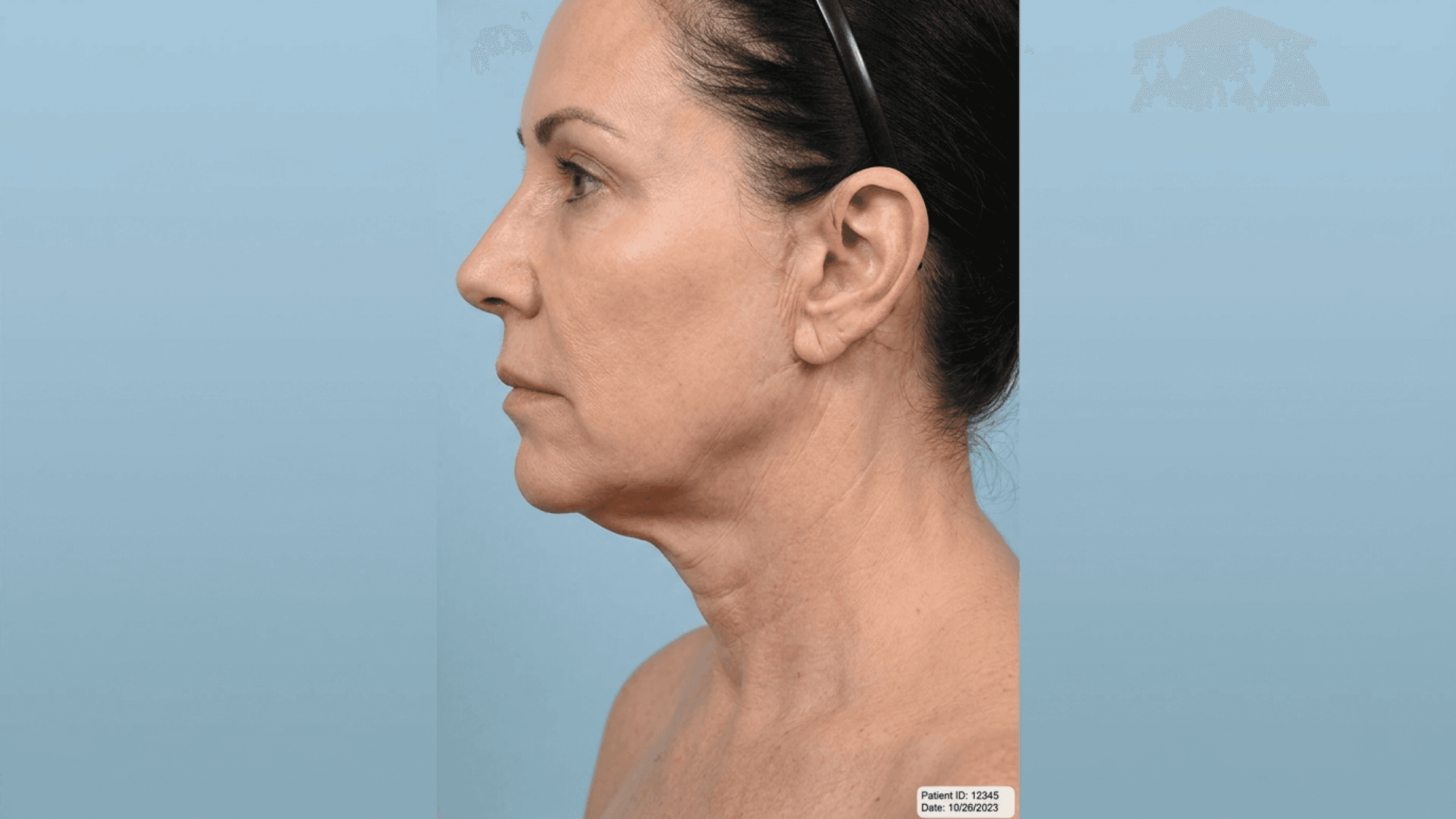
Table of Contents
The Hidden Role of Facial Retaining Ligaments
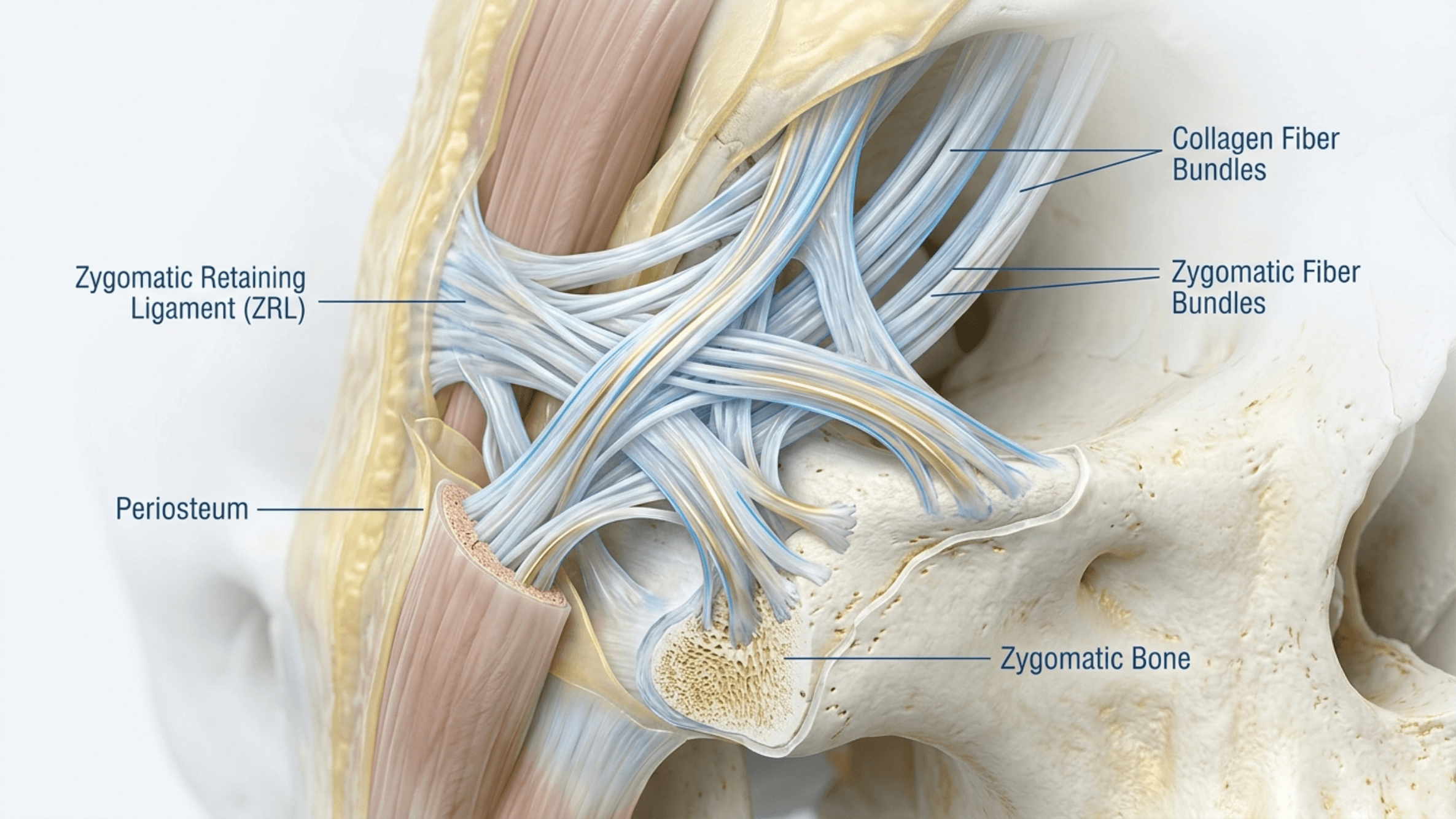
Facial retaining ligaments are fibrous structures that anchor the soft tissues of the face to the underlying bone. These ligaments—such as the zygomatic, masseteric, and mandibular ligaments—play a pivotal role in maintaining facial contours and preventing sagging. As we age, these ligaments gradually weaken and stretch, leading to the descent of facial fat pads, the formation of jowls, and the deepening of nasolabial folds. Unlike skin laxity, which is often the most visible sign of aging, ligamentous laxity is a silent driver of facial aging that many non-surgical treatments fail to address.
Research published in Plastic and Reconstructive Surgery and Aesthetic Surgery Journal confirms that the release and repositioning of these ligaments during a deep plane facelift are critical for achieving durable results. A 2026 systematic review in Facial Plastic Surgery Clinics of North America found that facelifts focusing solely on skin tightening—such as traditional SMAS plication—yielded results lasting only 5–7 years. In contrast, deep plane techniques, which involve the release of key retaining ligaments and repositioning of deeper tissue layers, extended longevity to 10–15 years [1].
Why Ligament Release Matters
Facial retaining ligaments act as natural “tethers” that resist the downward pull of gravity. Over time, these ligaments lose their elasticity, allowing facial tissues to descend and creating the characteristic signs of aging. The deep plane facelift addresses this by:
- Releasing Key Ligaments: The zygomatic and masseteric ligaments are carefully released, allowing the midface and jowl tissues to be repositioned vertically rather than pulled backward. This vertical lift is more natural and durable than the horizontal tension created by traditional facelifts.
- Repositioning Deep Tissue Layers: By lifting the superficial musculoaponeurotic system (SMAS) and deeper fat pads as a single unit, the deep plane facelift restores youthful contours without creating a “pulled” or artificial appearance. This composite flap technique ensures that the lift is anchored to stable, non-elastic structures, reducing the risk of relapse.
- Preserving Natural Movement: Unlike techniques that rely on skin tension, the deep plane facelift preserves the natural mobility of facial muscles, allowing for full expression and a more authentic rejuvenation.
A 2025 meta-analysis in JAMA Facial Plastic Surgery demonstrated that patients who underwent deep plane facelifts reported higher satisfaction rates and longer-lasting results compared to those who received SMAS plication or mini-facelifts. The study attributed this difference to the comprehensive release of retaining ligaments and the vertical vector of tissue repositioning [2].
The “Goldilocks” Window: Ideal Timing for a Primary Deep Plane Facelift
One of the most critical—and least discussed—factors in facelift longevity is the timing of the procedure. Many patients assume that a facelift should be delayed until signs of aging are severe, but this approach may compromise both the quality and durability of the results. Emerging evidence suggests that there is a “Goldilocks” window for undergoing a primary deep plane facelift, typically between the ages of 45 and 55.
A landmark 2026 study published in Annals of Plastic Surgery analyzed outcomes from over 1,200 deep plane facelifts performed by a single surgeon over 30 years. The study found that patients who underwent their primary facelift before the age of 53 returned for revision surgery an average of 12.4 years later, compared to just 9.3 years for those who waited until after 53. The authors concluded that earlier intervention—before significant tissue degradation and ligamentous laxity occur—yielded more durable and natural-looking results [3].
This phenomenon can be explained by the progressive nature of facial aging. As retaining ligaments weaken and facial fat pads descend, the structural integrity of the face deteriorates. Once this degradation reaches a critical threshold, even the most advanced surgical techniques may struggle to fully restore youthful contours. By intervening earlier, surgeons can:
- Preserve Tissue Quality: Younger patients tend to have better skin elasticity, thicker subcutaneous fat, and more robust ligamentous support. These factors contribute to smoother healing, reduced scarring, and longer-lasting results.
- Minimize the Need for Overcorrection: When performed at the right time, a deep plane facelift can achieve natural rejuvenation without the need for excessive tissue manipulation or over-tightening, which can lead to an unnatural appearance.
- Extend the Longevity of Results: By addressing aging changes before they become severe, the deep plane facelift can reset the facial aging clock, delaying the need for revision surgery by a decade or more.
Conversely, patients who delay surgery until their 60s or 70s often require more extensive tissue dissection, higher risk of complications, and may achieve less durable results. While a deep plane facelift can still provide significant improvement in older patients, the ideal window for maximizing longevity appears to be in the mid-to-late 40s or early 50s.

The Structural Degradation Threshold: When Is It Too Late?
Facial aging is not a linear process—it accelerates as structural degradation reaches a tipping point. This threshold is marked by:
- Severe Jowling and Neck Laxity: Once the mandibular retaining ligaments and platysma muscle have significantly weakened, the jawline and neck lose definition, making it difficult to achieve a smooth, youthful contour.
- Midface Volume Loss: The descent of the malar fat pad and atrophy of deep fat compartments create a hollowed, gaunt appearance that cannot be fully corrected by lifting alone. In such cases, fat grafting or fillers may be required to restore volume.
- Skin Thinning and Crepey Texture: Advanced aging leads to collagen depletion and skin thinning, which can compromise the quality of the facelift flap and increase the risk of visible scarring or skin irregularities.
- Bone Resorption: Age-related bone loss, particularly in the midface and jawline, can alter the underlying framework of the face, making it challenging to achieve a harmonious, balanced result.
A 2025 study in Plastic and Reconstructive Surgery used 3D imaging to quantify the degree of facial tissue degradation in patients of varying ages. The researchers found that by the age of 55, most individuals had already experienced a 30–40% reduction in ligamentous support and a 20–25% loss of midface volume. These changes were strongly correlated with poorer facelift outcomes and shorter longevity of results [4].
For patients who have already crossed this structural degradation threshold, a deep plane facelift can still provide significant improvement, but the results may not be as durable or natural-looking as those achieved in younger patients. In such cases, surgeons may recommend adjunct procedures—such as fat grafting, neck lifts, or laser resurfacing—to address the multifaceted nature of advanced aging.
Why Surgeons Don’t Always Disclose These Details
Despite the critical role of retaining ligaments and timing in facelift longevity, many surgeons do not fully disclose these details during consultations. There are several reasons for this:
- Simplification for Patient Comfort: Discussions about ligament release and tissue degradation can be complex and intimidating for patients. Many surgeons prefer to focus on the immediate aesthetic benefits of the procedure rather than the technical nuances that influence long-term outcomes.
- Variability in Surgical Training: Not all surgeons are trained in advanced deep plane techniques. Those who primarily perform traditional SMAS lifts or mini-facelifts may not emphasize the importance of ligament release, as their techniques do not address these structures.
- Marketing and Patient Expectations: The aesthetic industry often prioritizes immediate, visible results over long-term durability. Surgeons may avoid discussing the limitations of their techniques to align with patient expectations and market demand.
- Lack of Long-Term Data: While the benefits of deep plane facelifts are well-documented in the literature, long-term outcome studies are still emerging. Some surgeons may not yet be fully aware of the latest evidence regarding the ideal timing and ligamentous factors that influence longevity.
This lack of transparency can lead to unrealistic expectations and dissatisfaction with facelift results. Patients who undergo surgery without understanding the role of retaining ligaments or the importance of timing may find that their results do not last as long as they hoped, or that they require revision surgery sooner than anticipated.

How to Ensure Your Facelift Stands the Test of Time
If you are considering a facelift, understanding the invisible anchors of longevity can help you make an informed decision and achieve the best possible results. Here’s what you need to know:
1. Choose the Right Technique
Opt for a deep plane facelift performed by a board-certified surgeon with extensive experience in this technique. The deep plane approach is the only method that comprehensively addresses the release of retaining ligaments and the repositioning of deep tissue layers. Avoid surgeons who rely solely on skin tightening or SMAS plication, as these techniques do not provide the same level of durability or natural-looking results.
2. Time Your Procedure Wisely
The ideal window for a primary deep plane facelift is typically between the ages of 45 and 55. During this period, the facial tissues and ligaments are still relatively robust, allowing for a more effective and longer-lasting lift. If you are in your 60s or older, discuss adjunct procedures—such as fat grafting or neck lifts—with your surgeon to address advanced aging changes.
3. Prioritize Structural Rejuvenation Over Skin Tightening
Focus on procedures that address the underlying structural causes of aging, rather than those that merely tighten the skin. A deep plane facelift should aim to restore youthful contours by repositioning the SMAS, releasing retaining ligaments, and lifting the deeper fat pads. This approach ensures that the results look natural and last longer.
4. Follow a Comprehensive Post-Operative Plan
Longevity is not solely determined by the surgical technique—it also depends on how well you care for your skin and tissues after surgery. Follow your surgeon’s post-operative instructions diligently, including:
- Avoiding Sun Exposure: UV radiation accelerates collagen breakdown and skin aging. Wear sunscreen daily and avoid prolonged sun exposure, especially in the first year after surgery.
- Maintaining a Healthy Lifestyle: Smoking, poor nutrition, and rapid weight fluctuations can compromise the quality of your skin and the longevity of your facelift. Adopt a balanced diet, stay hydrated, and avoid smoking to support optimal healing and long-term results.
- Using Medical-Grade Skincare: Products containing retinol, vitamin C, and peptides can help maintain skin elasticity and collagen production, extending the life of your facelift results.
- Regular Follow-Up Visits: Schedule periodic check-ups with your surgeon to monitor your results and address any concerns early. Non-surgical treatments—such as laser resurfacing or injectables—can help maintain your results and delay the need for revision surgery.
5. Ask the Right Questions During Consultation
To ensure you are making an informed decision, ask your surgeon the following questions during your consultation:
- Do you perform deep plane facelifts, and what is your experience with this technique?
- How do you address facial retaining ligaments during surgery, and why is this important for longevity?
- What is the ideal age or timing for a primary deep plane facelift, and how does this influence the durability of results?
- What adjunct procedures do you recommend to enhance or maintain my results, especially if I have advanced signs of aging?
- Can you provide before-and-after photos of patients who underwent deep plane facelifts at different ages, particularly those in their 40s and 50s?
- What is your revision rate for deep plane facelifts, and what factors contribute to the need for revision surgery?

The Future of Facelift Surgery: Beyond the Invisible Anchors
The deep plane facelift represents the pinnacle of modern facelift surgery, but the field continues to evolve. Emerging research is shedding light on new ways to enhance longevity and natural-looking results:
- Regenerative Techniques: The use of exosomes, stem cells, and platelet-rich plasma (PRP) is gaining traction as a way to improve tissue quality and accelerate healing. These regenerative therapies may help extend the longevity of facelift results by promoting collagen production and reducing inflammation.
- Personalized Surgical Planning: Advances in 3D imaging and artificial intelligence are enabling surgeons to create personalized surgical plans that account for each patient’s unique anatomy and aging patterns. This precision approach ensures that the procedure is tailored to address the specific structural changes that contribute to aging.
- Hybrid Approaches: Combining deep plane facelifts with non-surgical treatments—such as radiofrequency microneedling or laser resurfacing—can enhance skin quality and prolong the life of surgical results. These hybrid approaches offer a comprehensive solution for patients seeking both structural rejuvenation and skin renewal.
- Minimally Invasive Deep Plane Techniques: Endoscopic and limited-incision deep plane facelifts are being developed to reduce scarring and recovery time while still addressing the critical role of retaining ligaments. These techniques are particularly appealing to younger patients who want to address early signs of aging with minimal downtime.
A 2026 study in Aesthetic Surgery Journal highlighted the potential of exosome therapy in facelift surgery. The study found that patients who received exosome injections during their deep plane facelift experienced improved skin texture, reduced scarring, and longer-lasting results compared to those who underwent surgery alone. The authors concluded that regenerative therapies could become a standard adjunct to facelift surgery in the near future [5].

Conclusion: Rewriting the Rules of Facelift Longevity
The deep plane facelift is more than just a surgical procedure—it is a paradigm shift in how we understand and address facial aging. By focusing on the invisible anchors of longevity—facial retaining ligaments and the ideal timing of surgery—patients can achieve results that are not only natural-looking but also durable. The key takeaways from this guide are:
- Facial retaining ligaments are the silent drivers of aging: Their release and repositioning during a deep plane facelift are critical for achieving long-lasting results.
- Timing is everything: The ideal window for a primary deep plane facelift is between the ages of 45 and 55, before significant tissue degradation occurs.
- Not all facelifts are created equal: Techniques that focus solely on skin tightening or superficial tissue manipulation do not provide the same level of durability or natural-looking results as the deep plane approach.
- Longevity requires a proactive approach: Post-operative care, lifestyle choices, and adjunct treatments play a crucial role in maintaining facelift results.
- The future of facelift surgery is regenerative: Emerging therapies—such as exosomes and stem cells—are poised to revolutionize the field by enhancing tissue quality and extending the life of surgical results.
If you are considering a facelift, arm yourself with knowledge about the invisible anchors of longevity. Ask your surgeon about their approach to retaining ligaments, the ideal timing for your procedure, and how they plan to ensure your results stand the test of time. By doing so, you can rewrite the rules of facial aging and achieve a rejuvenation that is as enduring as it is natural.
FAQ: Your Questions About Facelift Longevity Answered
What are facial retaining ligaments, and why are they important for facelift longevity?
Facial retaining ligaments are fibrous structures that anchor the soft tissues of the face to the underlying bone. They play a critical role in maintaining facial contours and preventing sagging. As we age, these ligaments weaken and stretch, leading to the descent of facial fat pads and the formation of jowls. The deep plane facelift addresses this by releasing and repositioning these ligaments, which is essential for achieving durable, natural-looking results.
What is the ideal age or timing for a primary deep plane facelift?
The ideal window for a primary deep plane facelift is typically between the ages of 45 and 55. During this period, the facial tissues and ligaments are still relatively robust, allowing for a more effective and longer-lasting lift. Patients who undergo surgery during this window tend to experience results that last 10–15 years, compared to 5–7 years for those who delay surgery until their 60s or later.
How does a deep plane facelift differ from other facelift techniques?
Unlike traditional facelifts that focus on skin tightening or superficial tissue manipulation, the deep plane facelift addresses the deeper layers of the face, including the superficial musculoaponeurotic system (SMAS) and facial retaining ligaments. This approach allows for a vertical lift that repositions tissues as a single unit, resulting in more natural and durable results.
Why don’t all surgeons recommend a deep plane facelift?
Not all surgeons are trained in advanced deep plane techniques, and some may prefer simpler procedures that are easier to perform. Additionally, discussions about ligament release and tissue degradation can be complex, and some surgeons may simplify consultations to focus on immediate aesthetic benefits rather than long-term outcomes.
What can I do to extend the longevity of my facelift results?
To extend the longevity of your facelift results, follow a comprehensive post-operative plan that includes avoiding sun exposure, maintaining a healthy lifestyle, using medical-grade skincare products, and scheduling regular follow-up visits with your surgeon. Adjunct treatments—such as laser resurfacing or injectables—can also help maintain your results and delay the need for revision surgery.
Are there any emerging technologies that could enhance facelift longevity?
Yes, regenerative therapies—such as exosomes, stem cells, and platelet-rich plasma (PRP)—are gaining traction as ways to improve tissue quality and accelerate healing. These therapies may help extend the longevity of facelift results by promoting collagen production and reducing inflammation. Additionally, advances in 3D imaging and artificial intelligence are enabling personalized surgical planning, ensuring that procedures are tailored to each patient’s unique anatomy and aging patterns.