

The quest for facial rejuvenation has evolved dramatically by 2026, with endoscopic facelift techniques leading the way in scarless, minimally invasive surgery. Antalya, Turkey, has emerged as a global hub for advanced endoscopic facial rejuvenation, combining cutting-edge technology, expert surgeons, and world-class medical infrastructure. This guide explores how endoscopic facelifts work, who is an ideal candidate, the advantages of choosing Antalya for your procedure, and what to expect during recovery.

Table of Contents
How Endoscopic Facelifts Work: The Science Behind Scarless Surgery
Endoscopic facelifts use a high-definition camera and specialized instruments inserted through small incisions, typically hidden within the hairline or natural skin folds. This allows surgeons to:
- Lift and reposition deeper facial tissues (such as the SMAS layer) without removing excess skin, preserving natural facial contours and blood supply.
- Target specific areas such as the mid-face, brow, and jawline, addressing sagging, volume loss, and loss of definition.
- Minimize scarring and reduce recovery time compared to traditional facelifts, thanks to smaller incisions and less tissue disruption.
Recent studies published in PubMed and Aesthetic Surgery Journal confirm that endoscopic techniques, when performed by experienced surgeons, deliver results comparable to conventional facelifts, with fewer complications and faster healing (Fırat, 2025; ASJ, 2025).
Why Choose Endoscopic Surgery?
The primary advantage of endoscopic facelifts is the absence of visible scars. Unlike traditional facelifts, which require longer incisions around the ears, endoscopic techniques use tiny, concealed incisions, making them ideal for patients who want natural-looking results without the telltale signs of surgery. Additional benefits include:
- Faster recovery: Most patients return to normal activities within 1–2 weeks, with full healing in 4–6 weeks (NIH, 2025).
- Less swelling and bruising: Due to minimal tissue trauma, postoperative discomfort is significantly reduced.
- Long-lasting results: When performed on suitable candidates, endoscopic facelifts can last 7–10 years, similar to traditional techniques.
- Precision and safety: The endoscope provides enhanced visualization, allowing for more accurate tissue manipulation and reduced risk of nerve injury.

Who Is the Ideal Candidate for an Endoscopic Facelift?
Endoscopic facelifts are not one-size-fits-all. Patient selection is critical to achieving optimal results. Ideal candidates typically include:
- Age: Generally between 30 and 60 years old. Younger patients (30s–40s) with early signs of aging benefit most, as they have good skin elasticity and minimal excess skin.
- Facial anatomy: Patients with mild to moderate sagging in the mid-face, brow, or jawline, but without significant skin laxity or deep wrinkles.
- Health status: Non-smokers or those willing to quit, with no uncontrolled medical conditions that could impair healing.
- Realistic expectations: Those seeking subtle, natural rejuvenation rather than dramatic transformation.
According to a 2025 study in Aesthetic Surgery Journal, endoscopic facelifts are particularly effective for patients with a positive or neutral facial vector (where the cheekbones are at or above the level of the lower jaw), as this anatomy allows for better tissue repositioning and lift (ASJ, 2025). Patients with advanced skin laxity or those requiring significant skin removal may be better suited for traditional or deep-plane facelifts.
Who Should Avoid Endoscopic Facelifts?
Endoscopic techniques are not recommended for:
- Patients with severe skin laxity or excess skin, as the endoscopic approach does not remove skin.
- Those with advanced facial aging, deep wrinkles, or significant volume loss, who may require more extensive procedures.
- Individuals with medical conditions that impair wound healing, such as uncontrolled diabetes or autoimmune disorders.
- Smokers who are unwilling to quit, as smoking increases the risk of complications and delays healing.
As noted by Dr. Arda Kucukguven, a leading facial plastic surgeon, “The endoscopic facelift is a powerful tool for the right patient, but it is not a substitute for traditional facelifts in cases of advanced aging. The key is a thorough preoperative assessment to match the technique to the patient’s anatomy and goals” (Kucukguven, 2026).
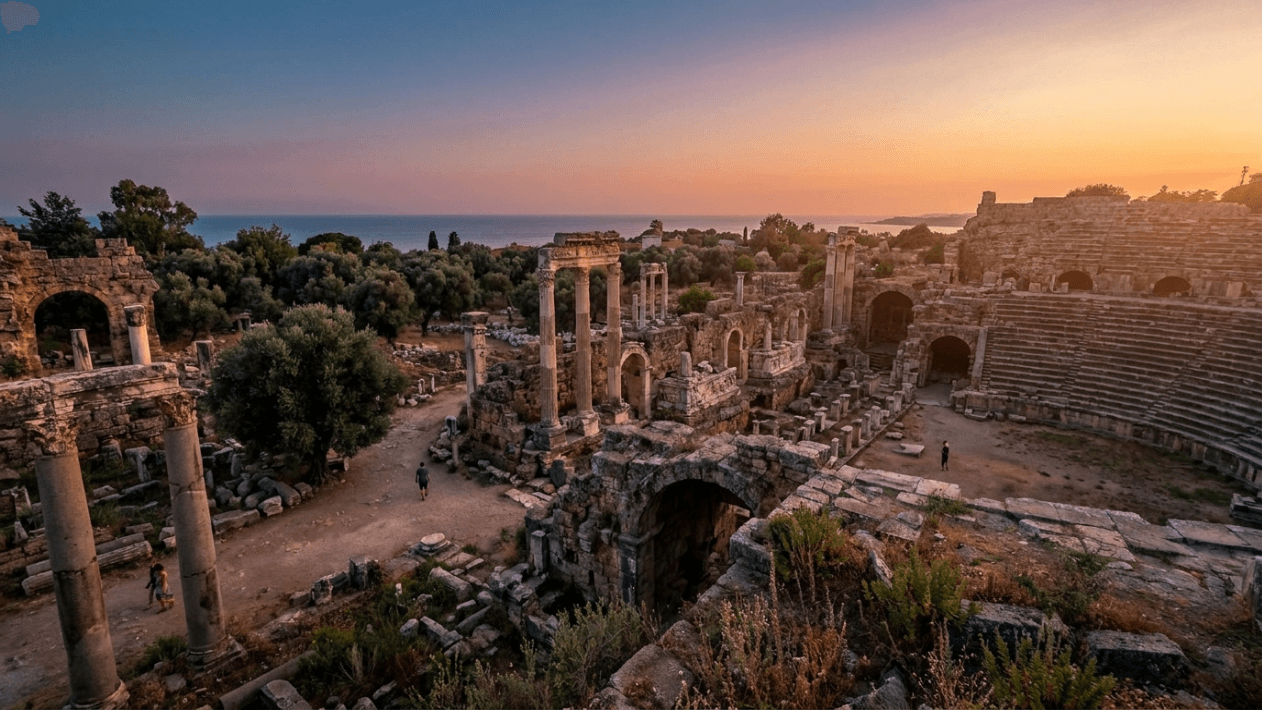
Why Antalya? The Advantages of Choosing Turkey for Endoscopic Facelifts
Antalya has become a premier destination for medical tourism, attracting patients from Europe, the Middle East, and beyond. Here’s why Antalya stands out for endoscopic facelifts:
World-Class Clinics and Surgeons
Antalya is home to JCI-accredited hospitals and clinics equipped with the latest endoscopic technology. Surgeons in Antalya are often trained internationally and specialize in advanced facial rejuvenation techniques. For example:
- Memorial Antalya Hospital: A leading facility for international patients, offering comprehensive endoscopic facelift packages that include surgery, hospitalization, and postoperative care (Bookimed, 2026).
- Medical Park Antalya Hospital: Known for its expertise in minimally invasive procedures, including endoscopic facelifts and mid-face lifts.
- Private clinics: Many boutique clinics in Antalya offer personalized care, multilingual support, and tailored treatment plans for international patients.

Advanced Technology and Innovation
Clinics in Antalya utilize state-of-the-art endoscopic systems, including high-definition cameras and precision instruments, to ensure optimal results. Many facilities also offer:
- 3D imaging and simulation: Allows patients to visualize potential outcomes before surgery.
- Robotic-assisted surgery: Some clinics offer robotic support for enhanced precision in complex cases.
- Comprehensive care: From preoperative planning to postoperative follow-up, clinics in Antalya provide end-to-end support for international patients.
Affordability Without Compromising Quality
One of the most compelling reasons to choose Antalya is the cost advantage. Endoscopic facelifts in Antalya typically cost 50–70% less than in Western Europe or the United States, without sacrificing quality or safety. For example:
| Procedure | Antalya, Turkey (USD) | Western Europe (USD) | United States (USD) |
| Endoscopic Facelift | $4,500–$6,500 | $8,000–$15,000 | $10,000–$20,000 |
| Endoscopic Mid-Face Lift | $3,500–$5,500 | $7,000–$12,000 | $9,000–$16,000 |
| Combined Procedures (e.g., facelift + blepharoplasty) | $6,000–$9,000 | $12,000–$20,000 | $15,000–$25,000 |
These packages often include surgery, hospital stay, medications, and follow-up care, making Antalya a cost-effective choice for high-quality facial rejuvenation.

A Destination for Healing and Relaxation
Antalya’s Mediterranean climate, stunning beaches, and rich cultural heritage make it an ideal place to recover. Many clinics offer:
- Recovery retreats: Luxury hotels and resorts with postoperative care packages, including private nurses and wellness programs.
- Tourism opportunities: Patients can combine their procedure with a relaxing holiday, exploring Antalya’s ancient ruins, bazaars, and natural wonders.
- Multilingual support: Clinics in Antalya cater to international patients, with staff fluent in English, Arabic, Russian, and other languages.
Recovery and Results: What to Expect After an Endoscopic Facelift
Recovery from an endoscopic facelift is typically faster and more comfortable than from traditional facelifts. Here’s a general timeline:
First 48 Hours
Patients may experience mild swelling, bruising, and discomfort, which can be managed with prescribed medications. Head elevation and cold compresses are recommended to minimize swelling.
Days 3–7
Swelling and bruising peak around day 3 and gradually subside. Most patients can return to light activities, such as walking or working from home, within a few days. Sutures are typically removed after 5–7 days.
Weeks 2–4
By the end of the second week, most patients feel comfortable returning to work and social activities. Swelling continues to decrease, and the initial results become visible. Strenuous exercise and heavy lifting should still be avoided.
Months 1–6
Final results emerge as residual swelling resolves and tissues settle into their new position. Most patients see full results by 3–6 months, with a natural, refreshed appearance that can last 7–10 years with proper skincare and sun protection.
As noted in a 2025 study on endoscopic mid-face lifts, “Patients who follow postoperative care instructions, including avoiding sun exposure and smoking, experience faster healing and longer-lasting results” (Europe PMC, 2025).
Choosing the Right Clinic and Surgeon in Antalya
Selecting the right clinic and surgeon is the most important step in your endoscopic facelift journey. Here’s what to look for:
Board Certification and Experience
Ensure your surgeon is board-certified in plastic, reconstructive, or facial plastic surgery and has extensive experience with endoscopic techniques. Look for:
- Membership in international societies, such as the International Society of Aesthetic Plastic Surgery (ISAPS) or the European Association of Plastic Surgeons (EURAPS).
- A portfolio of before-and-after photos showcasing endoscopic facelift results.
- Patient testimonials and reviews, particularly from international patients.
Accreditation and Safety Standards
Choose a clinic that is JCI-accredited (Joint Commission International) or holds other international certifications. These accreditations ensure that the facility meets rigorous safety and quality standards. Additionally, inquire about:
- Infection control protocols: How the clinic minimizes the risk of postoperative infections.
- Anesthesia safety: Whether a board-certified anesthesiologist will be present during your procedure.
- Emergency preparedness: The clinic’s protocols for handling complications or emergencies.
Personalized Consultation and Care
A reputable clinic will offer a comprehensive preoperative consultation, either in person or via video call. During this consultation, your surgeon should:
- Assess your facial anatomy and discuss your aesthetic goals.
- Explain the endoscopic technique and what it can (and cannot) achieve for your specific concerns.
- Review potential risks and complications, as well as how they are managed.
- Provide a detailed treatment plan, including recovery expectations and follow-up care.
As Dr. Berat Çiğdem, a board-certified plastic surgeon in Antalya, emphasizes, “A successful endoscopic facelift begins with a thorough understanding of the patient’s anatomy and goals. The consultation is not just about explaining the procedure—it’s about building trust and ensuring the patient feels confident in their decision.”
The Future of Endoscopic Facelifts in Antalya
As technology continues to advance, endoscopic facelifts are poised to become even more precise, safe, and accessible. Antalya is at the forefront of these innovations, with clinics investing in:
- AI-assisted surgical planning: Using artificial intelligence to simulate outcomes and optimize surgical approaches.
- Enhanced recovery protocols: Developing faster, more comfortable recovery pathways through advanced pain management and postoperative care.
- Combination therapies: Integrating endoscopic facelifts with non-surgical treatments, such as laser resurfacing or PRP (platelet-rich plasma), for comprehensive rejuvenation.
With its combination of expertise, affordability, and world-class facilities, Antalya is set to remain a global leader in endoscopic facial rejuvenation for years to come.
Frequently Asked Questions About Endoscopic Facelifts in Antalya
How long do the results of an endoscopic facelift last?
Results typically last 7–10 years, depending on factors such as skin quality, lifestyle, and sun exposure. Maintaining a healthy skincare routine and protecting your skin from the sun can help prolong the results.
Is an endoscopic facelift painful?
Most patients experience minimal discomfort during and after the procedure. The surgery is performed under general anesthesia or sedation, so you will not feel pain during the operation. Postoperative discomfort is usually mild and can be managed with prescribed medications.
Can I combine an endoscopic facelift with other procedures?
Yes, endoscopic facelifts can be combined with other procedures, such as blepharoplasty (eyelid surgery), brow lifts, or fat transfer, for a more comprehensive rejuvenation. Your surgeon will discuss the best combination of procedures based on your goals and anatomy.
What are the risks of an endoscopic facelift?
As with any surgical procedure, endoscopic facelifts carry some risks, including bleeding, infection, nerve injury, and unsatisfactory results. However, these risks are minimized when the procedure is performed by an experienced, board-certified surgeon in a accredited facility.
How do I choose the best clinic for an endoscopic facelift in Antalya?
Look for a JCI-accredited clinic with experienced, board-certified surgeons. Review before-and-after photos, read patient testimonials, and ensure the clinic offers personalized consultations and comprehensive postoperative care. It’s also important to choose a clinic that provides multilingual support for international patients.
What is the recovery process like for international patients traveling to Antalya?
Most international patients stay in Antalya for 7–10 days after surgery to ensure proper healing and follow-up care. Many clinics offer recovery packages that include accommodation, transportation, and postoperative support. After returning home, virtual follow-up appointments can be arranged to monitor your progress.