

Considering a Deep Plane Facelift in 2026 demands careful evaluation, especially when exploring international options. Many patients question, “Is it safe to have surgery in Turkey?” This concern is valid; patient safety remains paramount. Turkey, a burgeoning hub for medical tourism, offers advanced surgical procedures, yet understanding the underlying safety protocols is crucial for a secure experience.
This article unveils the critical safety standards governing Deep Plane Facelift procedures in Turkey. We detail how JCI accreditation and robust success rates define the country’s commitment to patient well-being. You must understand these measures before making your decision.
Table of Contents
Deep Plane Facelift: A Modern Approach to Rejuvenation
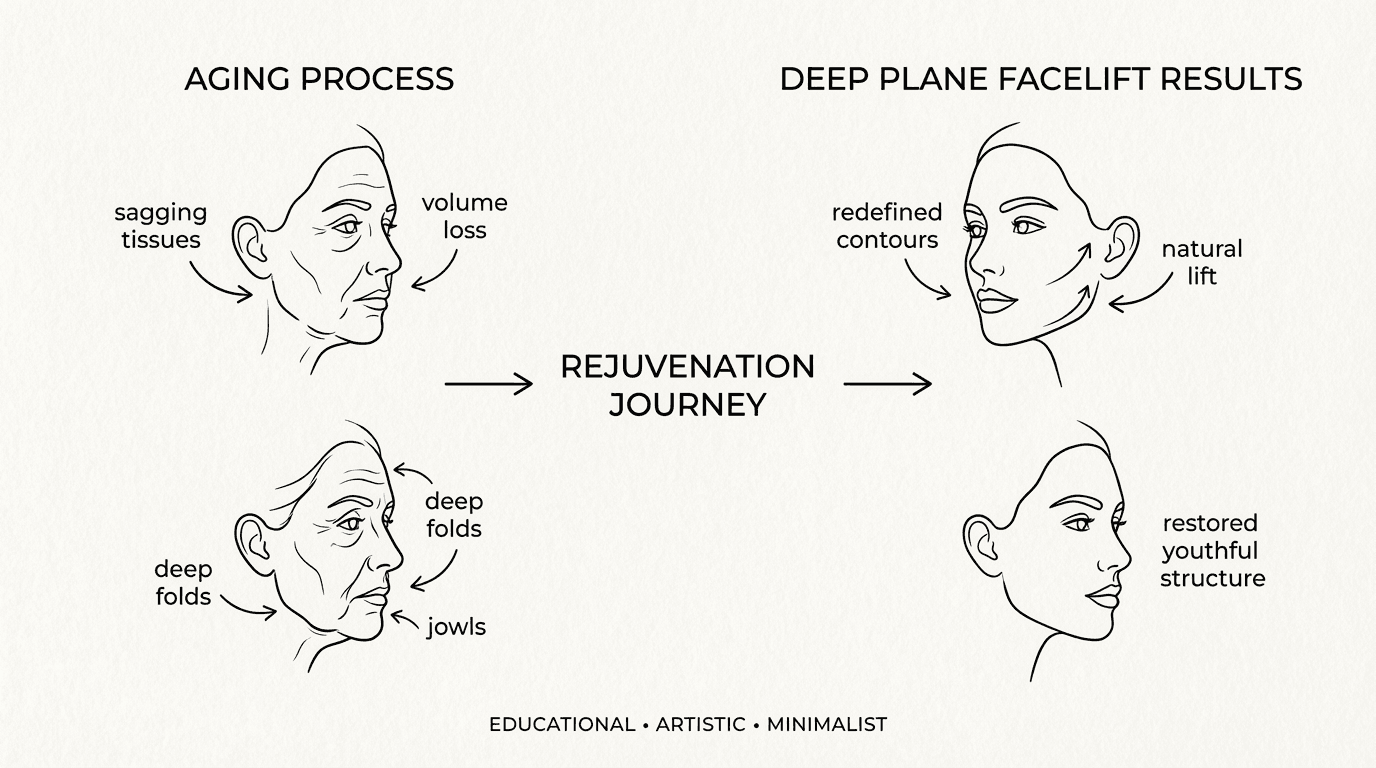
The Deep Plane Facelift represents the pinnacle of facial rejuvenation techniques. It addresses deeper tissue layers, lifting the SMAS (Superficial Musculoaponeurotic System) and muscle as a single unit. This method yields more natural, long-lasting results compared to traditional skin-only lifts.
Patients seek this procedure for significant improvement in jowls, neck laxity, and midface sagging. Its effectiveness is undeniable; however, the complexity of the surgery necessitates stringent safety measures. A successful outcome hinges on both surgical skill and an impeccable safety environment.
Turkey’s Rise in Medical Tourism: A Closer Look at Safety
Turkey has emerged as a global leader in medical tourism, attracting thousands of international patients annually. Its appeal stems from competitive pricing, state-of-the-art facilities, and highly skilled surgeons. Yet, the question persists: “Is Turkey the safest country to have surgery?”
The answer lies in accreditation and adherence to international standards. Many Turkish hospitals and clinics prioritize patient safety, investing heavily in infrastructure and staff training. This commitment ensures a secure environment for complex procedures like the Deep Plane Facelift.

JCI Accreditation: The Uncompromising Standard for Safety
Joint Commission International (JCI) accreditation stands as the global benchmark for healthcare quality and patient safety. Hospitals achieving JCI status demonstrate unwavering commitment to rigorous international standards. This accreditation is not merely a badge; it signifies a comprehensive system of safety protocols.
What JCI Means for Your Deep Plane Facelift
A JCI-accredited facility ensures every aspect of your surgical journey meets the highest safety criteria. This includes patient identification, medication management, infection control, and surgical site verification. Such meticulous attention to detail drastically reduces risks associated with any procedure.
You must choose a JCI-accredited hospital for your Deep Plane Facelift in Turkey. This choice guarantees a facility operates under globally recognized safety guidelines, offering peace of mind. It is your strongest assurance of a safe surgical environment.
7 Critical Safety Protocols for Deep Plane Facelift in Turkey
Ensuring safety for a Deep Plane Facelift involves multiple layers of protection. Turkish clinics committed to international standards implement specific protocols. These measures collectively contribute to high success rates and minimal complications.
1. Surgeon Qualifications and Expertise
Your surgeon’s experience is non-negotiable. A board-certified plastic surgeon with extensive experience in Deep Plane Facelift techniques is essential. Verify their credentials, training, and specialization in facial surgery. This expertise directly impacts both safety and aesthetic outcomes.
2. Anesthesia Safety and Monitoring
General anesthesia requires a highly skilled anesthesiologist. They must continuously monitor your vital signs throughout the procedure. Modern Turkish facilities employ advanced monitoring equipment and adhere to strict anesthesia protocols, minimizing risks associated with sedation.
3. Sterilization and Infection Control
Infection prevention is paramount in any surgical setting. JCI-accredited hospitals maintain rigorous sterilization protocols for all instruments and operating rooms. Strict adherence to these guidelines significantly reduces the risk of post-operative infections, a critical safety concern.
4. Comprehensive Pre-operative Assessment
A thorough medical evaluation precedes any Deep Plane Facelift. This includes blood tests, cardiac assessments, and a detailed review of your medical history. Surgeons must identify any pre-existing conditions that could complicate surgery, ensuring you are a suitable candidate. This step is crucial for patient selection.
5. Robust Post-operative Care and Follow-up
Recovery is an integral part of the surgical process. Clinics must provide clear post-operative instructions and ensure accessible follow-up care. This includes managing pain, monitoring healing, and addressing any concerns promptly. Proper aftercare prevents complications and supports optimal results. Explore our before and after gallery to see successful outcomes.
6. Emergency Preparedness and Protocols
Even with the best planning, emergencies can arise. A safe facility possesses robust emergency protocols, including immediate access to resuscitation equipment and trained staff. Rapid response capabilities are a hallmark of a truly safe surgical environment.
7. Advanced Technology and Modern Facilities
Modern surgical techniques demand cutting-edge technology. Turkish hospitals often feature state-of-the-art operating theaters and diagnostic equipment. This technological advantage enhances precision during surgery and improves overall patient safety. Learn more about our facelift procedures.

Success Rates: A Reflection of Safety and Expertise
High success rates in Deep Plane Facelift procedures in Turkey directly correlate with the strict adherence to safety protocols. When clinics prioritize patient well-being, complications decrease, and patient satisfaction rises. This metric offers a tangible measure of a facility’s commitment to excellence.
Patients should inquire about a clinic’s specific success rates and complication statistics. Transparent reporting indicates confidence in their safety standards. A high success rate is not merely about aesthetics; it reflects a safe and expertly managed surgical journey.
Choosing Your Surgeon: Due Diligence is Key
Your choice of surgeon and clinic dictates your safety. Do not compromise on research. Verify JCI accreditation, surgeon credentials, and patient testimonials. Direct communication with the clinic about their safety protocols is essential. Contact us for detailed information.
A reputable clinic will readily provide all necessary information, ensuring full transparency. Your proactive approach in selecting a provider is your best defense against potential risks. Prioritize safety above all else.

Conclusion: Secure Your Deep Plane Facelift in Turkey
Having a Deep Plane Facelift in Turkey can be exceptionally safe, provided you choose a JCI-accredited facility adhering to stringent international safety protocols. The country’s commitment to medical excellence, coupled with advanced techniques and experienced surgeons, offers a secure path to rejuvenation.
You must prioritize thorough research and verification of credentials. By doing so, you ensure your surgical journey is not only transformative but also unequivocally safe. Your well-being is paramount; demand nothing less than the highest safety standards.
Is it truly safe to have a Deep Plane Facelift in Turkey?
Yes, it is safe, provided you select a JCI-accredited hospital or clinic that strictly adheres to international safety protocols. Verify surgeon credentials and facility standards.
What makes a country “safest” for surgery like a facelift?
The “safest” country is defined by its adherence to international healthcare standards, prevalence of JCI-accredited facilities, highly qualified surgeons, and robust emergency protocols.
How do JCI standards enhance Deep Plane Facelift safety?
JCI accreditation ensures rigorous protocols for patient identification, anesthesia, infection control, and post-operative care. This comprehensive approach minimizes surgical risks significantly.
What should I look for in a surgeon for a Deep Plane Facelift in Turkey?
Seek a board-certified plastic surgeon with extensive experience specifically in Deep Plane Facelift techniques. Review their portfolio and patient testimonials.
Are infection rates higher in Turkey for cosmetic surgery?
No, JCI-accredited facilities in Turkey maintain strict sterilization and infection control protocols, comparable to leading hospitals worldwide. Infection rates are kept to a minimum.
How important is post-operative care for safety?
Post-operative care is critically important. Comprehensive follow-up, clear instructions, and accessible support prevent complications and ensure a smooth recovery, directly impacting overall safety.