
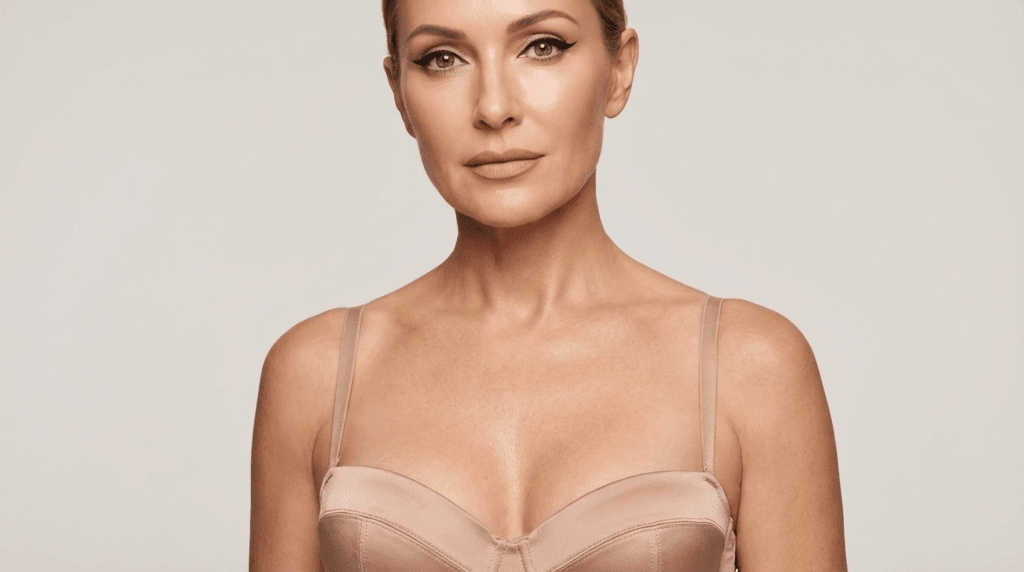
The pursuit of facial rejuvenation has reached unprecedented heights in 2026. No longer confined to the rigid beauty standards of the past, modern techniques prioritize natural, harmonious results that celebrate individuality. This evolution is particularly significant for procedures tailored to diverse ethnicities, where anatomical nuances and cultural beauty ideals demand specialized expertise. A successful rejuvenation today is not about defying age but about enhancing elegance while preserving identity.
Facial rejuvenation, whether through surgical or non-surgical means, requires a nuanced understanding of who stands to benefit the most. This guide explores the ideal candidates for these procedures, the optimal age ranges, health considerations, and the frequency of treatments. It also addresses who should avoid such interventions, ensuring informed decisions for those seeking a refreshed, youthful appearance.

Table of Contents
What Is the Best Age for Facial Rejuvenation?
The ideal age for facial rejuvenation varies depending on individual goals, skin condition, and the specific procedure. However, most experts agree that the late 30s to early 50s represent the optimal window for achieving natural, long-lasting results. Here’s why:
In the late 30s, early signs of aging—such as fine lines, volume loss, and mild sagging—begin to appear. Addressing these concerns at this stage allows for preventative rejuvenation, delaying more invasive procedures later in life. Non-surgical options like Botox, fillers, and laser treatments are highly effective during this period, offering subtle yet impactful enhancements.
By the mid-40s to early 50s, deeper wrinkles, pronounced sagging, and loss of facial volume become more evident. This is when surgical interventions, such as facelifts or neck lifts, yield the most dramatic and natural-looking results. Patients in this age group typically have the skin elasticity and overall health necessary to support recovery and maintain outcomes.
For those in their 60s and beyond, facial rejuvenation remains viable but requires a more tailored approach. Procedures must account for reduced skin elasticity and slower healing. A skilled surgeon can still achieve remarkable results, focusing on restoring volume and lifting sagging tissues without over-tightening the skin.
Who Is Not a Good Candidate for Facial Rejuvenation?
While facial rejuvenation offers transformative benefits, it is not suitable for everyone. Certain health conditions, lifestyle factors, and unrealistic expectations can disqualify individuals from undergoing these procedures. Here’s who should reconsider:
- Individuals with Uncontrolled Chronic Conditions: Patients with diabetes, autoimmune disorders, or cardiovascular diseases must have their conditions well-managed before considering rejuvenation. Uncontrolled health issues increase the risk of complications and impede healing.
- Smokers and Heavy Alcohol Consumers: Smoking restricts blood flow, delaying recovery and increasing the likelihood of scarring. Alcohol consumption can also interfere with anesthesia and post-operative healing. Both habits must be discontinued well in advance of any procedure.
- Those with Unrealistic Expectations: Facial rejuvenation enhances natural beauty—it does not create a completely new face. Patients seeking drastic transformations or perfection may end up dissatisfied. A thorough consultation with a surgeon is essential to align expectations with achievable outcomes.
- Individuals with Poor Skin Quality: Severe sun damage, deep wrinkles, or extremely thin skin may limit the effectiveness of certain procedures. In such cases, a combination of treatments, including skin resurfacing and volume restoration, may be necessary.
- Pregnant or Breastfeeding Women: Hormonal fluctuations during pregnancy and breastfeeding can affect skin elasticity and healing. Elective procedures should be postponed until after this period.

How Many Times Can You Undergo Facial Rejuvenation?
The frequency of facial rejuvenation depends on the type of procedure, the patient’s aging process, and how well they maintain their results. Here’s a breakdown of what to expect:
Non-Surgical Treatments: Procedures like Botox, fillers, and laser resurfacing typically require maintenance every 6 to 18 months. Botox, for instance, lasts 3 to 6 months, while fillers can last anywhere from 6 months to 2 years, depending on the product used. Regular touch-ups help sustain a youthful appearance without the need for surgery.
Surgical Procedures: Facelifts, neck lifts, and similar surgeries offer longer-lasting results, often enduring 10 years or more. However, aging continues, and patients may opt for a secondary procedure—commonly referred to as a “revision facelift”—after a decade or so. The key is to allow sufficient time for the skin and tissues to settle before considering another surgery.
Combination Approaches: Many patients benefit from a hybrid strategy, combining surgical and non-surgical treatments. For example, a facelift at 50, followed by periodic Botox and filler treatments, can extend the results indefinitely. This approach allows for gradual adjustments as the face ages, ensuring a consistently natural appearance.
Key Considerations for Optimal Results
Achieving the best outcomes from facial rejuvenation requires more than just selecting the right procedure. Patients must also consider their overall health, lifestyle, and post-operative care. Here’s what you need to know:
- Choose a Board-Certified Surgeon: The surgeon’s expertise in facial anatomy and rejuvenation techniques is paramount. Look for professionals with a proven track record in procedures tailored to your ethnic background and aesthetic goals. Review their before-and-after gallery to assess their work.
- Follow Pre- and Post-Operative Instructions: Adhering to your surgeon’s guidelines—such as avoiding blood-thinning medications, quitting smoking, and following a skincare regimen—ensures a smoother recovery and better results.
- Maintain a Healthy Lifestyle: A balanced diet, regular exercise, and proper hydration support skin health and longevity. Protecting your skin from sun exposure and avoiding smoking will preserve your rejuvenated appearance.
- Plan for Long-Term Maintenance: Facial rejuvenation is not a one-time fix. Regular follow-ups, skincare treatments, and non-surgical touch-ups help sustain your results over time.

The Psychological Impact of Facial Rejuvenation
The benefits of facial rejuvenation extend beyond the physical. A refreshed appearance often leads to increased self-confidence, improved social interactions, and a renewed sense of vitality. Patients who feel good about their appearance are more likely to engage actively in life, embracing new opportunities with enthusiasm.
However, it’s crucial to approach rejuvenation with realistic expectations. The goal is to enhance your natural beauty, not to chase an unattainable ideal. A successful outcome leaves you looking like the best version of yourself—youthful, vibrant, and unmistakably you.
What is the ideal age range for facial rejuvenation?
The optimal age range for facial rejuvenation is typically between the late 30s and early 50s. This window allows for both preventative and corrective procedures, ensuring natural and long-lasting results.
Who should avoid facial rejuvenation procedures?
Individuals with uncontrolled chronic conditions, smokers, those with unrealistic expectations, and pregnant or breastfeeding women should avoid these procedures. A thorough consultation with a surgeon is essential to determine suitability.
How often can I undergo facial rejuvenation?
Non-surgical treatments like Botox and fillers require maintenance every 6 to 18 months, while surgical procedures like facelifts can last 10 years or more. A combination of both can extend results indefinitely.
What are the key considerations for optimal results?
Choosing a board-certified surgeon, following pre- and post-operative instructions, maintaining a healthy lifestyle, and planning for long-term maintenance are critical for achieving the best outcomes.
How does facial rejuvenation impact mental well-being?
A refreshed appearance often boosts self-confidence and improves social interactions. However, it’s important to approach rejuvenation with realistic expectations to ensure satisfaction.