
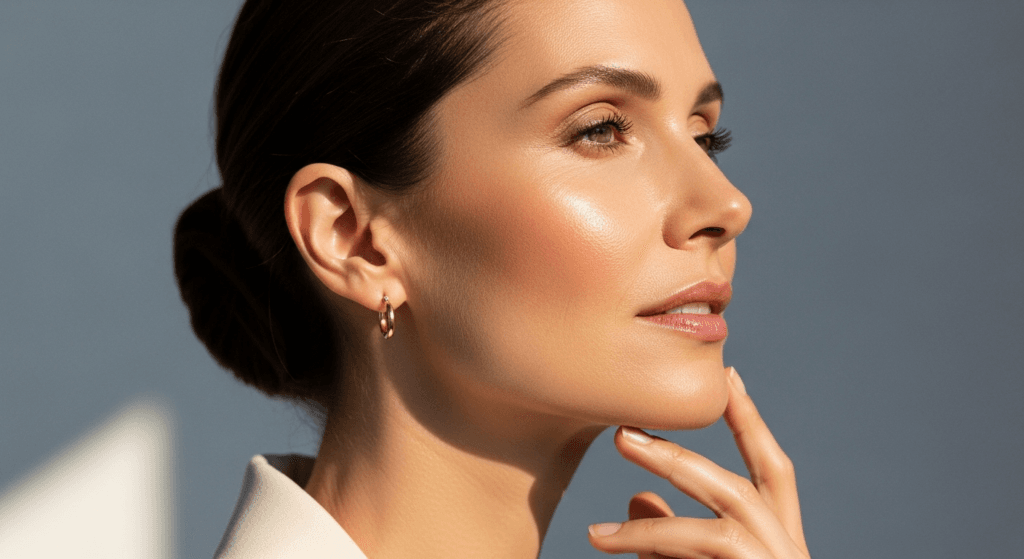
The pursuit of facial rejuvenation has evolved significantly by 2026, with patients increasingly seeking procedures that deliver natural results without extensive downtime. Among these, the S-Lift facelift stands out as a revolutionary technique, offering a shorter recovery period and minimal scarring compared to traditional facelift methods. This guide explores the intricacies of the S-Lift, its benefits, and why it has become the preferred choice for those seeking subtle yet impactful rejuvenation.
Unlike conventional facelifts that require longer incisions and extensive tissue manipulation, the S-Lift focuses on precision. It targets the lower face and jawline, addressing sagging skin and loss of definition with minimal invasiveness. The result? A refreshed, youthful appearance that preserves the patient’s natural facial expressions and ethnic identity.
For those considering facial rejuvenation, understanding the S-Lift technique is essential. It’s not just about lifting the skin—it’s about restoring harmony to the face while maintaining its unique character. This article delves into the science behind the S-Lift, its advantages, and what patients can expect from the procedure.
Table of Contents
What Is the S-Lift Facelift?
The S-Lift, or short-scar facelift, is a minimally invasive procedure designed to rejuvenate the lower face and neck. Unlike traditional facelifts that involve long incisions extending behind the ears, the S-Lift uses shorter incisions, typically hidden within the natural contours of the face. This approach minimizes visible scarring while delivering significant lifting and tightening effects.
Developed to address the needs of modern patients, the S-Lift focuses on precision. It targets the superficial musculoaponeurotic system (SMAS) layer, which is crucial for maintaining facial structure and youthful contours. By lifting and repositioning this layer, the S-Lift restores definition to the jawline and reduces the appearance of jowls—all without the need for extensive surgery.
Key Features of the S-Lift Technique
What sets the S-Lift apart from other facelift techniques? Here are its defining characteristics:
- Minimal Incisions: The S-Lift requires only short incisions, usually placed in front of the ears and within the hairline. This reduces visible scarring and accelerates recovery.
- Targeted Lifting: Unlike full facelifts that address the entire face, the S-Lift focuses on the lower face and jawline, making it ideal for patients with mild to moderate sagging.
- Preservation of Natural Features: The technique emphasizes subtle enhancements, ensuring patients retain their unique facial expressions and ethnic characteristics.
- Shorter Recovery Time: With less tissue disruption, patients experience reduced swelling and bruising, allowing them to return to daily activities sooner.
Who Is an Ideal Candidate for the S-Lift?
The S-Lift is particularly suited for individuals who:
- Are in their 40s to 60s and experiencing early signs of aging, such as sagging jowls and loss of jawline definition.
- Prefer a minimally invasive procedure with a shorter recovery period.
- Wish to avoid the “overdone” look associated with more aggressive facelift techniques.
- Have good skin elasticity and are seeking subtle, natural-looking results.
However, it’s important to note that the S-Lift may not be suitable for individuals with significant skin laxity or advanced aging. In such cases, a traditional facelift or additional procedures like a neck lift may be recommended.
The Science Behind the S-Lift: How It Works
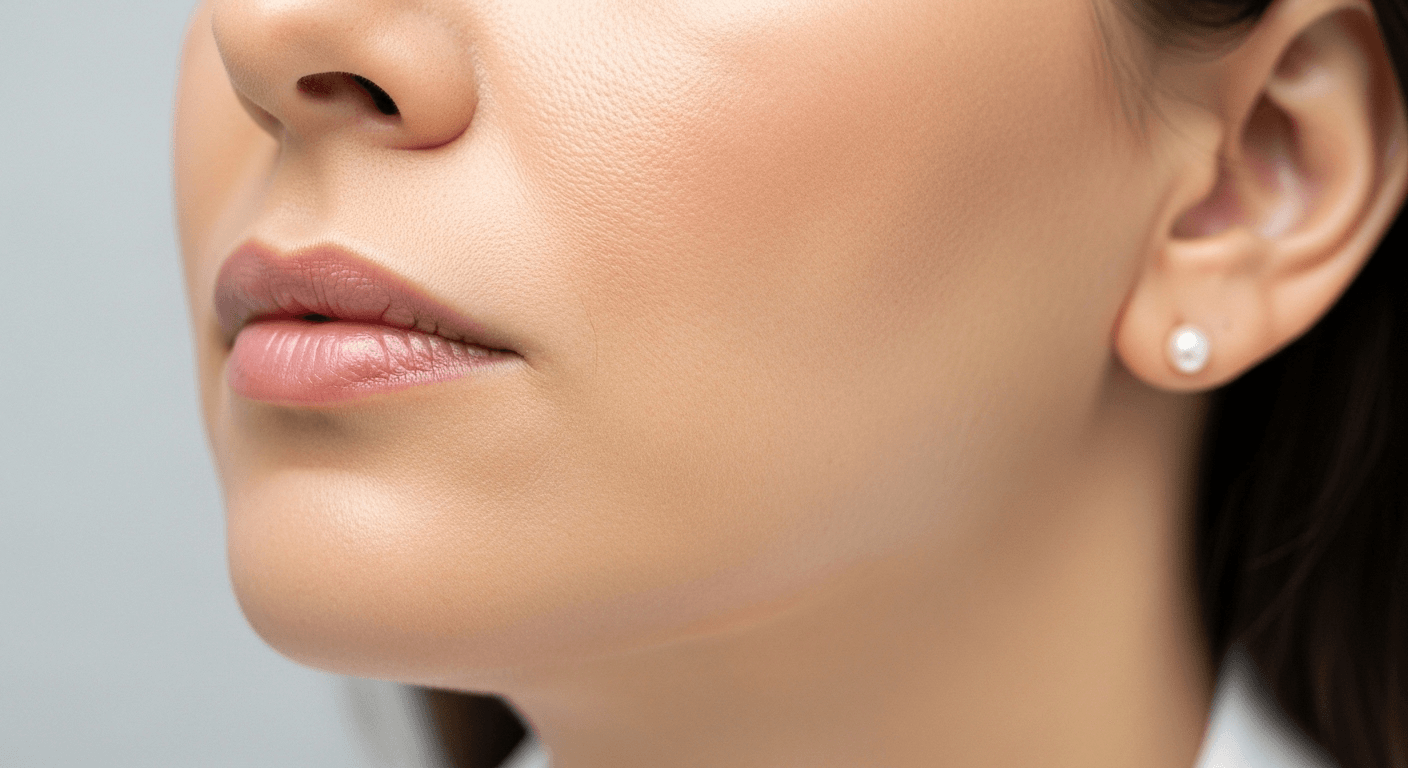
The S-Lift’s effectiveness lies in its focus on the SMAS layer, a critical component of facial anatomy. This layer, composed of muscle and connective tissue, provides structural support to the face. As we age, the SMAS layer weakens, leading to sagging and loss of definition. The S-Lift addresses this by lifting and tightening the SMAS, restoring a youthful contour without altering the patient’s natural appearance.
Step-by-Step: The S-Lift Procedure
The S-Lift procedure is meticulously planned and executed to ensure optimal results. Here’s what patients can expect:
- Consultation and Planning: A thorough assessment of the patient’s facial structure, skin quality, and aesthetic goals is conducted. Digital imaging may be used to simulate potential outcomes.
- Anesthesia: The procedure is typically performed under local anesthesia with sedation, ensuring patient comfort throughout.
- Incision Placement: Short incisions are made along the natural contours of the face, usually in front of the ears and within the hairline.
- SMAS Lifting: The SMAS layer is carefully lifted and repositioned to restore facial volume and definition. Excess skin is trimmed, and the remaining skin is redraped for a smoother appearance.
- Closure and Recovery: Incisions are closed with fine sutures, and patients are provided with post-operative care instructions to ensure a smooth recovery.
Why the S-Lift Delivers Natural Results
The S-Lift’s focus on the SMAS layer—rather than merely tightening the skin—ensures that results appear natural and long-lasting. By addressing the underlying structural changes that occur with aging, the S-Lift avoids the “pulled” or “overdone” look often associated with traditional facelifts. Instead, it restores the face’s youthful contours while preserving its unique character.
Additionally, the minimal incisions used in the S-Lift reduce the risk of visible scarring, making it an attractive option for those concerned about post-surgical marks. The procedure’s precision also minimizes trauma to surrounding tissues, leading to a faster and more comfortable recovery.

Recovery and Results: What to Expect After an S-Lift
One of the most significant advantages of the S-Lift is its shorter recovery time compared to traditional facelifts. While individual experiences may vary, most patients can expect the following timeline:
- First Week: Mild swelling and bruising are common but typically subside within 7–10 days. Patients are advised to rest and avoid strenuous activities.
- Second Week: Most visible signs of surgery diminish, and patients can often return to work and light social activities.
- One Month: Final results begin to emerge as residual swelling resolves. The face appears more defined and youthful.
- Three to Six Months: The full effects of the S-Lift become apparent, with the face settling into its rejuvenated contours.
Tips for a Smooth Recovery
To optimize healing and ensure the best possible results, patients should follow these guidelines:
- Follow Post-Operative Instructions: Adhere to your surgeon’s recommendations regarding wound care, medications, and activity restrictions.
- Stay Hydrated and Eat Nutritiously: Proper hydration and a balanced diet rich in vitamins and minerals support the healing process.
- Avoid Sun Exposure: Protect your skin from UV rays to prevent hyperpigmentation and scarring.
- Attend Follow-Up Appointments: Regular check-ins with your surgeon ensure that recovery is progressing as expected.
Long-Term Benefits of the S-Lift
The results of an S-Lift are designed to be long-lasting, with many patients enjoying their rejuvenated appearance for 5–10 years or more. While the procedure does not halt the aging process, it provides a significant setback, allowing patients to maintain a youthful look with minimal maintenance. For those seeking to extend their results, non-surgical treatments such as Botox or dermal fillers can complement the effects of the S-Lift.
S-Lift vs. Traditional Facelift: Which Is Right for You?
Choosing between an S-Lift and a traditional facelift depends on several factors, including the extent of aging, desired results, and recovery preferences. Here’s a comparison to help guide your decision:
| Feature | S-Lift | Traditional Facelift |
|---|---|---|
| Incisions | Short, hidden within natural contours | Longer, extending behind the ears |
| Recovery Time | 1–2 weeks | 2–4 weeks |
| Ideal Candidates | Mild to moderate sagging | Advanced aging and significant skin laxity |
| Results | Natural, subtle rejuvenation | Dramatic, comprehensive lifting |
| Scarring | Minimal and well-concealed | More visible, though hidden in hairline |
For patients with mild to moderate signs of aging, the S-Lift offers an excellent balance of effectiveness and minimal invasiveness. However, those with more advanced aging may benefit from the comprehensive lifting provided by a traditional facelift. Consulting with a board-certified surgeon is the best way to determine which procedure aligns with your goals.
Complementary Procedures for Enhanced Results
While the S-Lift delivers impressive results on its own, combining it with other procedures can enhance overall facial harmony. Here are some popular options:
1. Eyelid Surgery (Blepharoplasty)
Addressing sagging or puffy eyelids can further rejuvenate the face. Blepharoplasty removes excess skin and fat from the upper and lower eyelids, creating a more alert and youthful appearance. When combined with an S-Lift, it provides comprehensive facial rejuvenation.
2. Neck Lift
For patients concerned about sagging in the neck area, a neck lift can be performed alongside the S-Lift. This procedure tightens the neck muscles and removes excess skin, creating a smoother and more defined jawline.
3. Fat Grafting
Volume loss is a common concern as we age. Fat grafting, which involves transferring fat from one area of the body to the face, can restore lost volume and enhance facial contours. This procedure complements the S-Lift by adding fullness to areas such as the cheeks and temples.
4. Non-Surgical Treatments
Non-invasive treatments like Botox, dermal fillers, and laser resurfacing can further enhance the results of an S-Lift. These options provide additional refinement, addressing fine lines, wrinkles, and skin texture without the need for surgery.

Choosing the Right Surgeon for Your S-Lift
The success of an S-Lift largely depends on the skill and experience of the surgeon. Here’s what to look for when selecting a professional:
- Board Certification: Ensure your surgeon is certified by a recognized board, such as the American Board of Plastic Surgery or its international equivalent.
- Experience with S-Lift Techniques: Choose a surgeon who specializes in minimally invasive facelift procedures and has a proven track record of successful outcomes.
- Before-and-After Gallery: Review the surgeon’s portfolio to assess their aesthetic style and the quality of their work. Look for results that align with your goals.
- Patient Reviews: Read testimonials and reviews from previous patients to gauge satisfaction levels and the surgeon’s bedside manner.
- Consultation Process: A thorough consultation should include a detailed assessment of your facial structure, skin quality, and aesthetic goals. The surgeon should provide clear explanations and realistic expectations.
During your consultation, don’t hesitate to ask questions about the procedure, recovery, and potential risks. A reputable surgeon will take the time to address your concerns and ensure you feel confident in your decision.
Frequently Asked Questions About the S-Lift
What is the main difference between an S-Lift and a traditional facelift?
The S-Lift uses shorter incisions and focuses on lifting the SMAS layer to rejuvenate the lower face and jawline. In contrast, a traditional facelift involves longer incisions and addresses the entire face, making it more suitable for advanced aging.
How long does an S-Lift procedure take?
The S-Lift typically takes between 1.5 to 3 hours, depending on the complexity of the case and whether additional procedures are performed.
Is the S-Lift painful?
Patients may experience mild discomfort during the recovery period, but this is usually manageable with prescribed pain medications. Most describe the sensation as tightness rather than pain.
When can I return to work after an S-Lift?
Many patients return to work within 1–2 weeks, though this varies depending on individual healing rates and the nature of their job.
Are the results of an S-Lift permanent?
While the S-Lift provides long-lasting results, it does not stop the aging process. Most patients enjoy their rejuvenated appearance for 5–10 years, after which touch-up procedures may be considered.
Can the S-Lift be combined with other procedures?
Yes, the S-Lift is often combined with procedures like blepharoplasty, neck lifts, and fat grafting to achieve comprehensive facial rejuvenation.