

The quest for a refreshed and more youthful appearance has long driven innovation in aesthetic medicine. For decades, the surgical facelift stood as the definitive solution for significant facial aging, offering dramatic and long-lasting results. However, the landscape of rejuvenation is continuously evolving, with a growing demand for less invasive yet effective alternatives. This evolution has paved the way for groundbreaking technologies that promise significant improvements without the extensive downtime and commitment associated with traditional surgery. Among these advancements, micro-coring has emerged as a revolutionary technique, capturing the attention of both practitioners and individuals seeking a refined, natural-looking lift.
Micro-coring represents a paradigm shift in how we approach skin tightening and rejuvenation. Unlike its predecessors, which often relied on heat, needles that merely punctured, or surgical incisions, this innovative method employs a unique approach to stimulate the body’s natural healing processes. It offers a compelling middle ground for those who desire more than what topical treatments or superficial procedures can provide, but are not yet ready for, or simply wish to avoid, a surgical intervention.
This article will delve into the intricate details of micro-coring, dissecting its core principles, mechanistic actions, and real-world applications. We will explore how this FDA-cleared technology stands apart from other non-surgical options, particularly microneedling, and critically compare its capabilities and limitations against the enduring efficacy of the traditional facelift.
Understanding the nuances of micro-coring is crucial for anyone navigating the complex world of aesthetic treatments. This deep-dive aims to provide a comprehensive, authoritative resource, moving beyond superficial explanations to offer a granular analysis of this new technology. We will examine the science behind its skin-tightening effects, outline the typical procedure and recovery, and identify the ideal candidates for this treatment. Furthermore, we will address the critical question of whether micro-coring can truly serve as a “non-surgical facelift alternative,” setting realistic expectations for its outcomes. By the conclusion of this exploration, readers will possess a robust framework for evaluating micro-coring within the broader context of facial rejuvenation, empowering them to make informed decisions about their aesthetic journey.
The introduction of micro-coring signifies a pivotal moment in aesthetic dermatology, offering a sophisticated tool for addressing moderate skin laxity and improving overall skin quality. As individuals increasingly seek treatments that deliver noticeable results with minimal disruption to their daily lives, technologies like micro-coring become indispensable. This article will not only explain the ‘what’ and ‘how’ of micro-coring but also explore its ‘why’ – the underlying scientific rationale that makes it an effective solution for stimulating collagen and elastin production.
We will also consider its place in the future of aesthetic medicine, anticipating how it might integrate with existing treatments and shape the development of even newer, more refined techniques. The goal is to equip you with the knowledge to confidently assess this cutting-edge option and understand its potential to redefine your approach to age management.
Ultimately, the decision between a surgical facelift and a non-surgical option like micro-coring is deeply personal, influenced by individual aesthetic goals, tolerance for downtime, and desired level of transformation. This guide is designed for discerning individuals who are actively researching and comparing value propositions, seeking to understand the true capabilities and limitations of each approach. We will provide the clarity needed to distinguish between these powerful rejuvenation methods, ensuring that your investment aligns perfectly with your aspirations for a more youthful and vibrant appearance. Prepare to uncover the science, the technique, and the transformative potential of micro-coring, and gain a clear perspective on its role in the modern era of facial aesthetics.

Table of Contents
Understanding the Traditional Facelift: The Enduring Standard
For many years, the surgical facelift has been the benchmark for comprehensive facial rejuvenation. This procedure involves meticulously lifting and repositioning the skin and underlying tissues to address significant signs of aging. It effectively targets deep wrinkles, pronounced jowls, and considerable skin laxity in the mid-face and neck. A facelift offers dramatic and long-lasting results, often turning back the clock by a decade or more, making it an attractive option for individuals seeking a profound transformation.
However, the traditional facelift is a significant surgical undertaking. It requires incisions, typically along the hairline and around the ears, and involves a considerable recovery period. Patients can expect several weeks of swelling, bruising, and discomfort, along with a commitment to post-operative care. While highly effective for severe aging, its invasiveness and recovery time often lead individuals to explore less aggressive alternatives, especially when their concerns are moderate or they prefer to avoid surgery altogether.
Micro-Coring: A New Era of Non-Surgical Skin Tightening
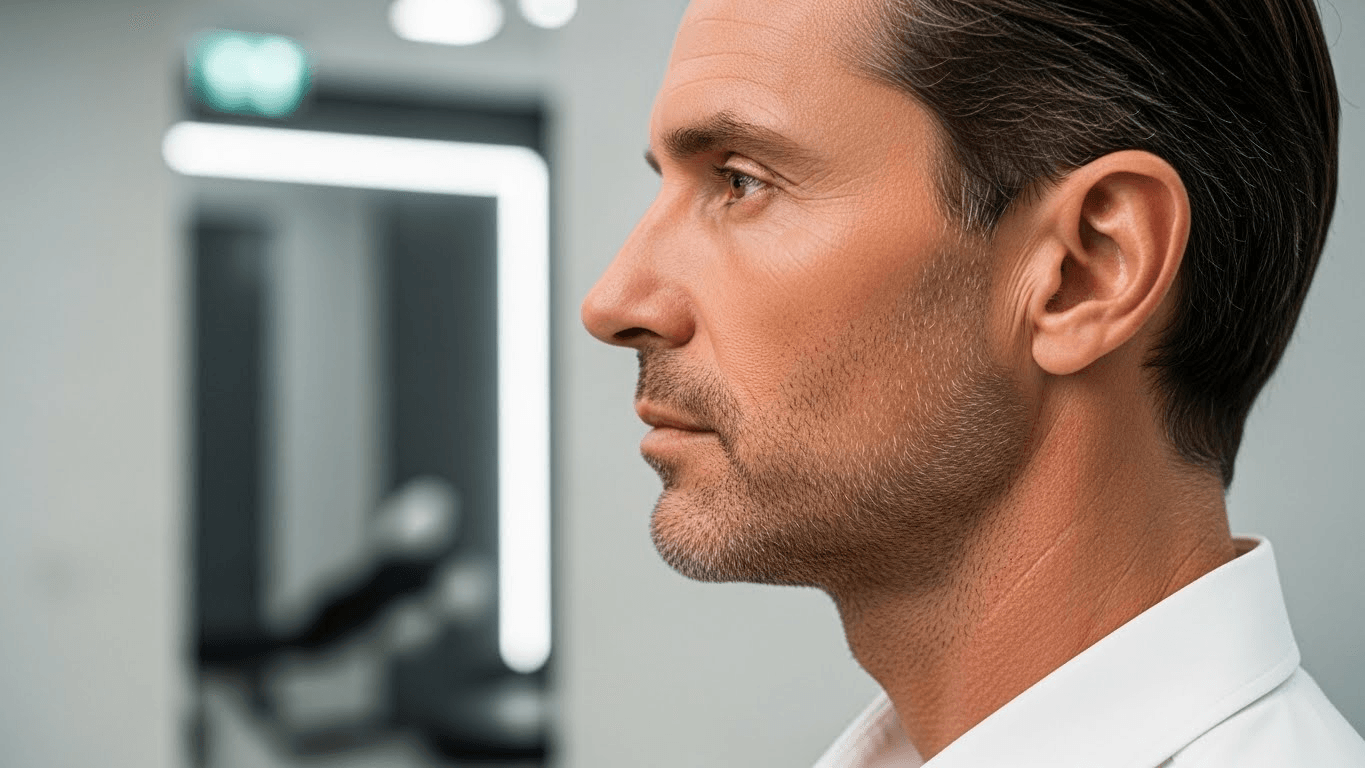
Micro-coring has emerged as a cutting-edge, non-surgical treatment designed to lift and firm the skin, offering a compelling alternative to more invasive procedures. This innovative technology stimulates the body’s natural collagen production, leading to a noticeable improvement in skin laxity and overall texture. It represents a significant step forward in aesthetic medicine, providing a solution for those seeking effective rejuvenation without the need for scalpels or extensive downtime.
Core Principle and Mechanism: Precision Tissue Removal
The fundamental principle behind micro-coring involves the precise removal of microscopic cores of skin tissue. A specialized device equipped with tiny hollow needles creates thousands of these micro-channels in the skin. As these minute tissue cores are extracted, the surrounding skin initiates a natural healing response. This process triggers the production of new collagen and elastin, essential proteins for skin elasticity and firmness. The physical removal of tissue also allows the remaining skin to contract and tighten, leading to a smoother and more lifted appearance (Dias, 2025).
This mechanism sets micro-coring apart from other popular non-surgical treatments like microneedling. While microneedling creates punctures to stimulate collagen, it primarily displaces tissue temporarily without removing it. Micro-coring, by physically extracting small bits of skin, facilitates a more effective contraction and tightening of the skin’s surface (Dias, 2025; Brogan, 2025). Furthermore, this technology achieves results similar to fractional laser treatments but without the use of heat or the associated thermal damage, making it a gentler option for skin rejuvenation (Dias, 2025).
Research indicates that micro-coring improves skin quality through a multifaceted approach. It combines the benefits of tissue removal with the stimulation of epidermal and dermal regeneration and remodeling. This dual action contributes to its promising outcomes in enhancing skin texture and firmness (Remy et al., 2025). The controlled micro-injuries prompt the skin to repair itself, leading to a natural and gradual improvement in its structural integrity.
Benefits and Applications: Targeted Rejuvenation
One of the primary benefits of micro-coring is its ability to provide non-surgical skin tightening, particularly in areas prone to laxity such as the cheeks, jawline, jowls, and chin (Dias, 2025). Patients can experience a reduction in fine lines and scars, an improvement in overall skin texture and firmness, and a mild lifting effect, especially in the lower face (Dias, 2025; Brogan, 2025). This makes it an excellent choice for individuals experiencing moderate skin sagging and wrinkles who are not yet ready for a surgical facelift (Brogan, 2025).
Beyond its tightening effects, micro-coring has shown emerging applications in treating enlarged facial pores and acne scars (Remy et al., 2025). The process of tissue removal and subsequent remodeling can help to smooth out irregularities and refine the skin’s surface. The technology offers significant improvement in firmness and wrinkles without the need for surgery or lasers, providing a powerful solution for various aesthetic concerns (Brogan, 2025).
The Procedure and Recovery: Minimal Disruption
A typical micro-coring treatment session is relatively quick, lasting around 30 minutes. For optimal results, a series of three sessions is usually recommended, spaced approximately 4 to 8 weeks apart (Dias, 2025; Brogan, 2025). This staggered approach allows the skin to heal and regenerate between treatments, progressively building collagen and improving firmness.
The downtime associated with micro-coring is significantly less than that of surgical procedures. Patients can expect some redness and swelling for a few days following the treatment (Dias, 2025). The recovery period typically ranges from 3 to 5 days, during which pinpoint dots may also be visible (Brogan, 2025). To support the healing process and prevent irritation, it is advisable to keep the skin well-moisturized for at least two weeks and avoid wearing makeup for about a week after the procedure (Dias, 2025).
Ideal Candidates and Limitations: Informed Choices
Micro-coring is an ideal treatment for individuals seeking a minimally invasive solution to address early to moderate signs of aging. It is particularly effective for skin laxity, mild wrinkles, and acne scarring (Dias, 2025; Brogan, 2025). The technology is best suited for those who are not yet ready for a surgical facelift but desire noticeable improvements in skin firmness and texture (Brogan, 2025).
However, it is important to understand the limitations of micro-coring. The treatment is currently FDA-cleared only for Fitzpatrick skin types I-IV. Individuals with darker skin tones (types V and VI) are generally not recommended for the procedure due to a higher propensity for scarring, including keloids and hypertrophic scars (Dias, 2025). Additionally, micro-coring should be avoided during pregnancy or breastfeeding, in cases of autoimmune skin conditions like psoriasis, or if there are active skin infections. Patients with keloid-prone skin, poor healing capabilities, or extremely thin or thick skin should also steer clear of this treatment (Dias, 2025).
While micro-coring offers impressive results for non-surgical tightening, it is crucial to maintain realistic expectations. The outcomes are generally more conservative than those achieved with a surgical facelift (Dias, 2025). It provides a significant improvement in skin quality and firmness but does not replicate the dramatic lifting and repositioning of tissues that a surgical procedure can accomplish. Therefore, a thorough consultation with a qualified professional is essential to determine if micro-coring aligns with individual aesthetic goals and skin characteristics.

Micro-Coring vs. Microneedling: A Clear Distinction
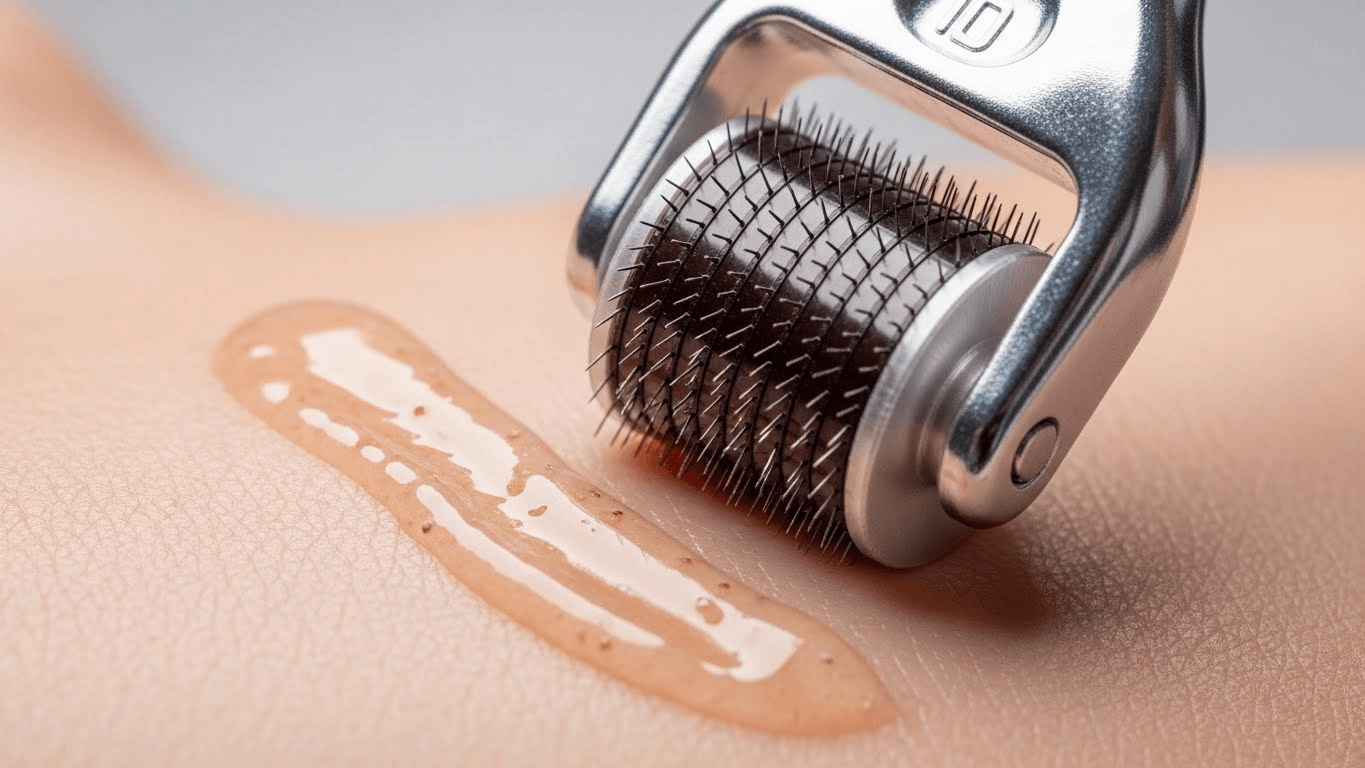
While both micro-coring and microneedling involve the use of needles to stimulate skin rejuvenation, their underlying mechanisms and primary objectives differ significantly. Understanding these distinctions is key to choosing the most appropriate treatment for specific skin concerns. Both procedures aim to boost collagen and promote healing, but they achieve these goals through very different technological approaches (Dias, 2025).
Microneedling, often referred to as collagen induction therapy, utilizes tiny, sterile needles to create controlled micro-injuries on the skin’s surface. This process triggers the body’s natural healing response, leading to increased collagen and elastin production. Microneedling is best suited for addressing fine lines, enlarged pores, uneven skin texture, mild acne scars, and early signs of aging. It offers minimal downtime, typically 1-2 days of redness, and is generally safe for most skin types, providing gradual, natural-looking improvements (Brogan, 2025).
In contrast, micro-coring employs hollow needles to physically remove tiny cores of skin tissue. As these micro-cores heal, the surrounding skin contracts, resulting in a natural lift and improved firmness. This makes micro-coring particularly effective for moderate skin laxity, especially around the jawline and cheeks, as well as for wrinkles and deeper lines, and mild jowling or skin sagging (Brogan, 2025). The downtime for micro-coring is slightly longer, typically 3-5 days, with redness and pinpoint dots (Brogan, 2025).
The core difference lies in tissue removal. Microneedling punctures the skin, temporarily displacing tissue, while micro-coring physically extracts small bits of skin, allowing for more effective contraction and tightening (Dias, 2025; Brogan, 2025). Therefore, while microneedling excels at improving skin texture and boosting radiance, micro-coring offers next-level results for visible lifting and firming (Brogan, 2025). Experts emphasize that these are complementary treatments, not replacements, and the choice depends on the patient’s specific goals and skin condition (Dias, 2025).
Micro-Coring vs. Facelift: A Comparative Analysis
When considering facial rejuvenation, the choice between a non-surgical option like micro-coring and a surgical facelift involves weighing various factors, including the desired outcome, invasiveness, downtime, and longevity of results. Both treatments aim to restore a more youthful appearance, but they achieve this through fundamentally different approaches and cater to distinct levels of aging.
Goals and Extent of Correction
The primary goal of a surgical facelift is to provide a dramatic and comprehensive lift, addressing significant sagging, deep wrinkles, and jowls across the mid-face and neck. It offers a profound transformation by physically repositioning underlying tissues and excising excess skin. Micro-coring, on the other hand, aims for subtle to moderate tightening and firming of the skin. It is designed to improve skin laxity, fine lines, and texture, offering a more refined and natural-looking enhancement rather than a complete structural overhaul (Dias, 2025; Brogan, 2025).
Invasiveness and Procedure
A facelift is an invasive surgical procedure that requires incisions, typically hidden within the hairline and around the ears. It involves extensive dissection and manipulation of facial tissues under general anesthesia. Micro-coring is a minimally invasive, non-surgical treatment. It uses tiny hollow needles to remove microscopic cores of skin, without the need for incisions or scalpels (Dias, 2025; Remy et al., 2025). The procedure is performed in-office and is significantly less complex than a surgical facelift.
Downtime and Recovery
The recovery period for a surgical facelift is substantial, often involving several weeks of swelling, bruising, and restricted activity. Patients typically need to take considerable time off work and social engagements. Micro-coring boasts a much shorter downtime. Patients can expect redness and swelling for a few days, with a typical recovery period of 3-5 days, during which minor pinpoint dots may be visible (Dias, 2025; Brogan, 2025). This makes micro-coring a more appealing option for individuals with busy schedules who cannot afford extended recovery.
Results and Longevity
Facelift results are long-lasting, often enduring for a decade or more, providing a significant and enduring reversal of aging signs. Micro-coring delivers noticeable improvements after a series of sessions, with results that are more conservative than a surgical facelift (Dias, 2025; Brogan, 2025). While it effectively tightens and firms the skin, it does not offer the same degree of lift or correction for severe laxity. The longevity of micro-coring results is still an area requiring further long-term studies (Remy et al., 2025), but generally, non-surgical treatments require maintenance over time.
Ideal Patient Profile
A surgical facelift is best suited for individuals with significant signs of aging, including pronounced skin laxity, deep jowls, and extensive neck banding, who desire a dramatic and comprehensive transformation. These patients are typically prepared for the commitment of surgery and its associated recovery. Micro-coring is ideal for those with moderate skin laxity, mild wrinkles, and textural concerns who are not ready for surgery or prefer a less invasive approach. It caters to individuals seeking natural-looking improvements with minimal downtime (Dias, 2025; Brogan, 2025).
The Future Landscape of Facial Rejuvenation
The emergence of micro-coring technology signifies a dynamic shift in the field of aesthetic medicine, offering new possibilities for individuals seeking effective facial rejuvenation. This innovative approach is poised to play a crucial role in the evolving landscape of anti-aging treatments, bridging the gap between traditional non-invasive procedures and more extensive surgical interventions.
Micro-coring’s unique ability to physically remove microscopic cores of skin tissue, thereby inducing a natural tightening and remodeling response, positions it as a valuable tool for addressing moderate skin laxity. It offers a compelling option for patients who desire more significant results than those achievable with treatments like microneedling, but who are not yet candidates for, or simply wish to avoid, the invasiveness and recovery associated with a surgical facelift. This technology expands the spectrum of available treatments, allowing for more personalized and nuanced approaches to age management.
The future of facial rejuvenation will likely see an increased integration of such advanced minimally invasive techniques. Micro-coring can be utilized as a standalone treatment for specific concerns or as part of a comprehensive, multi-modal treatment plan. Combining micro-coring with other non-surgical modalities, such as injectables for volume restoration or laser therapies for skin resurfacing, could yield synergistic effects, optimizing overall aesthetic outcomes. This tailored approach allows practitioners to address various aspects of facial aging with greater precision and customization.
However, as with any new technology, ongoing research and development are essential. Further studies with larger patient cohorts, longer follow-up periods, and comprehensive histological analyses are needed to fully understand the long-term efficacy and safety of micro-coring (Remy et al., 2025). Comparative studies against other minimally invasive techniques will also be crucial in refining treatment strategies and establishing best practices. This continuous scientific inquiry will ensure that micro-coring’s potential is fully realized and that it remains a safe and effective option for patients.
Ultimately, micro-coring represents a promising advancement that empowers both patients and practitioners. It offers a sophisticated, non-surgical pathway to achieving a more youthful and refreshed appearance, aligning with the growing demand for effective treatments that prioritize minimal downtime and natural-looking results. As the field of aesthetic medicine continues to innovate, technologies like micro-coring will undoubtedly shape the future, providing increasingly refined and accessible solutions for combating the signs of aging.
Conclusion: Navigating the New Frontier of Rejuvenation
The journey to facial rejuvenation is a deeply personal one, marked by evolving desires and an ever-expanding array of treatment options. In this dynamic landscape, micro-coring has emerged as a significant innovation, offering a compelling, minimally invasive pathway to address skin laxity and improve overall skin quality. This technology stands as a testament to the continuous advancements in aesthetic medicine, providing a sophisticated alternative for individuals seeking noticeable improvements without the extensive commitment of traditional surgery.
Throughout this exploration, we have dissected the core principles of micro-coring, understanding its unique mechanism of physically removing microscopic cores of skin tissue to stimulate natural healing and contraction. This distinct approach sets it apart from microneedling, which primarily punctures the skin, and positions it as a more potent solution for moderate skin tightening. We have also critically compared micro-coring to the enduring efficacy of the surgical facelift, highlighting that while micro-coring offers impressive non-surgical firming, its results are more conservative than the dramatic, long-lasting transformations achieved through surgery. The key takeaway is that each treatment serves a specific purpose, catering to different degrees of aging and individual preferences for invasiveness and downtime.
The benefits of micro-coring are clear: it provides a non-surgical method to tighten skin in areas like the cheeks, jawline, and jowls, reduces fine lines and scars, and improves skin texture. Its relatively short downtime, typically a few days of redness and swelling, makes it an attractive option for those with busy lifestyles. However, it is equally important to acknowledge its limitations, particularly regarding suitability for darker skin tones and the need for realistic expectations when comparing it to surgical outcomes. The ongoing research into its long-term effects and broader applications will further solidify its role in the future of aesthetic treatments.
For anyone considering facial rejuvenation, the most crucial step is a personalized consultation with a qualified and experienced professional. A board-certified dermatologist or plastic surgeon can accurately assess your unique skin concerns, discuss your aesthetic goals, and recommend the most appropriate treatment plan, whether it involves micro-coring, a surgical facelift, or a combination of modalities. This expert guidance ensures that your chosen path aligns with both your desired outcomes and your overall well-being, providing clarity in a field rich with innovation.
As we look to the future, the evolution of aesthetic medicine will undoubtedly continue to prioritize safety, efficacy, and patient satisfaction. Technologies like micro-coring exemplify this trend, offering increasingly refined and accessible solutions for combating the visible signs of aging. The ability to achieve significant rejuvenation with minimal invasiveness empowers individuals to take control of their aesthetic journey, fostering a renewed sense of confidence and vitality. The true art of modern aesthetics lies in harmonizing scientific advancement with individual needs, ensuring that every decision leads to a result that is not only beautiful but also genuinely reflective of one’s inner self.
What is micro-coring and how does it work?
Micro-coring is a minimally invasive skin rejuvenation treatment that uses tiny hollow needles to remove microscopic cores of skin tissue. This process triggers the body’s natural healing response, stimulating collagen and elastin production, and causing the surrounding skin to contract and tighten for a smoother, firmer appearance.
How does micro-coring differ from microneedling?
While both use needles, microneedling creates punctures to stimulate collagen without removing tissue. Micro-coring, however, physically extracts tiny cores of skin, leading to more effective contraction and tightening. Microneedling is better for texture and glow, while micro-coring is designed for lifting and firming moderate skin laxity.
Can micro-coring replace a surgical facelift?
Micro-coring offers significant non-surgical skin tightening and firming, but its results are more conservative than a surgical facelift. It is not a direct replacement for a facelift, which provides dramatic and comprehensive lifting for severe sagging. Micro-coring is ideal for those with moderate laxity who prefer a less invasive option.
Who is an ideal candidate for micro-coring?
Ideal candidates for micro-coring are individuals with mild to moderate skin laxity, fine lines, wrinkles, and acne scarring. It is FDA-cleared for Fitzpatrick skin types I-IV. It is not recommended for darker skin tones (types V and VI), pregnant/breastfeeding individuals, or those with certain skin conditions.
What is the typical downtime and recovery for micro-coring?
The downtime for micro-coring is relatively short, typically 3-5 days. Patients may experience redness and swelling for a few days, and possibly pinpoint dots. It is recommended to keep the skin moisturized for two weeks and avoid makeup for about a week post-procedure.
What are the emerging applications for micro-coring?
Beyond skin tightening and wrinkle reduction, micro-coring is being investigated for its potential to treat enlarged facial pores and acne scars. Its ability to induce skin remodeling and regeneration makes it a versatile tool in aesthetic dermatology.
Bibliography
- Dias, T. (2025, July 30). Micro-Coring is The New Microneedling, But is it Better? Vogue Arabia.
- Remy, K., DePamphilis, M. A., Buta, M. R., Vicente, K. A., Vyas, K., Manstein, D., & Carruthers, K. H. (2025). Core Innovations in Skin Rejuvenation: A Systematic Review of Microcoring Technology. Dermatologic Surgery, 51(7), 696-701.
- Brogan, K. (2025, August 4). Micro-Coring vs. Microneedling: What’s the Difference – And Which One Is Right for You? Desjarlais Dermatology & Aesthetic Center.