

The pursuit of a refreshed and more youthful appearance often leads individuals to explore various aesthetic procedures. Among the most transformative options available today, combining a facelift with a neck lift stands out as a powerful approach to achieving comprehensive facial rejuvenation. This integrated strategy addresses the interconnected signs of aging that manifest across both the face and neck, ensuring a harmonious and balanced outcome that individual procedures might not fully deliver. The synergy between these two surgeries allows for a more profound and natural-looking restoration of youthful contours, moving beyond isolated improvements to create a cohesive aesthetic transformation.
Aging is a complex process that affects the entire facial structure, from the temples down to the décolletage. Over time, gravity, sun exposure, and genetic predispositions contribute to skin laxity, muscle weakening, and volume loss. These changes often result in sagging jowls, deep nasolabial folds, and the development of a “turkey neck” or prominent neck bands. While a standalone facelift can effectively address concerns in the mid-to-lower face, and a neck lift can dramatically improve the appearance of the neck, performing them together ensures that the entire aesthetic unit of the face and neck is treated as a single, cohesive entity. This prevents a disjointed appearance where one area looks significantly younger than another, a common pitfall of piecemeal approaches.
The decision to undergo such a significant surgical intervention is deeply personal and requires careful consideration. Patients in the commercial investigation phase are often seeking not just a temporary fix, but a long-lasting solution that offers substantial value for their investment. The combined facelift and neck lift procedure offers precisely this, providing a durable improvement that can last a decade or more, depending on individual factors and lifestyle choices (Carolina Cosmetic Surgery, 2025). This longevity, coupled with the comprehensive nature of the results, makes the combined approach an attractive option for those seeking a truly impactful change.
Beyond the visible aesthetic enhancements, the psychological and social benefits of a combined facelift and neck lift are profound. Patients frequently report a significant boost in self-confidence, feeling that their rejuvenated appearance better reflects their inner vitality. This renewed self-assurance can positively influence social interactions, professional opportunities, and overall quality of life. The goal is not to create an artificial or “pulled” look, but rather to restore a natural, rested, and more youthful version of oneself. Modern surgical techniques prioritize subtle yet effective enhancements, aligning with the growing demand for natural aesthetics (NCH Stats, 2025).
This comprehensive guide will delve into the intricacies of combining facelift and neck lift procedures. We will explore the compelling benefits that make this dual approach so effective, dissect the advanced surgical techniques employed, and discuss the critical considerations for candidate suitability and preoperative planning. Furthermore, we will provide a detailed overview of the recovery timeline and essential post-operative care, examine the various types and variations of these surgeries, and analyze the long-term outcomes, potential risks, and crucial cost considerations. By the end of this deep-dive, readers will possess a robust understanding of why combining a facelift with a neck lift is often the optimal path to achieving harmonious and enduring facial rejuvenation.

Table of Contents
The Synergy of Facelift and Neck Lift: A Harmonious Approach to Rejuvenation
The face and neck are inextricably linked in the aging process. As time progresses, the skin and underlying tissues in both regions lose elasticity, leading to sagging, wrinkles, and a less defined jawline. Addressing only the face or only the neck can result in an unbalanced appearance, where one area appears significantly more youthful than the other. This is precisely why plastic surgeons frequently recommend combining a facelift with a neck lift. This integrated approach ensures that the entire lower face and neck are treated as a single aesthetic unit, yielding results that are both comprehensive and naturally harmonious (Carolina Cosmetic Surgery, 2025).
One of the primary advantages of this combined strategy is the achievement of improved facial harmony. A facelift primarily targets the mid-to-lower face, addressing concerns such as jowls, deep nasolabial folds, and sagging cheeks. A neck lift, conversely, focuses on the neck area, correcting issues like loose skin, prominent platysmal bands (often referred to as “turkey neck”), and excess fat that contributes to a double chin. When performed together, these procedures create a seamless transition between the jawline and the neck, restoring a youthful contour that flows naturally from the ears down to the collarbone. This holistic approach avoids the “operated-on” look that can sometimes occur when only one area is rejuvenated (Carolina Cosmetic Surgery, 2025).
Beyond aesthetic coherence, combining these surgeries offers practical benefits, including cost-effectiveness and a streamlined recovery. Patients undergoing both procedures simultaneously incur only one set of operating room fees, anesthesia costs, and recovery facility charges. This consolidation of expenses often makes the overall treatment more affordable than undergoing two separate surgeries at different times. Furthermore, the recovery period is significantly reduced. Instead of enduring two distinct periods of downtime, patients experience a single recovery phase, typically lasting about two to four weeks (Carolina Cosmetic Surgery, 2025). This minimizes disruption to daily routines and allows individuals to return to their normal activities more quickly.
The results of a combined facelift and neck lift are also notably long-lasting. By addressing both the superficial skin and the deeper muscular structures of the face and neck, surgeons can achieve a more durable and stable outcome. With proper skincare and a healthy lifestyle, the rejuvenated appearance can be maintained for 10 to 15 years, or even longer (Carolina Cosmetic Surgery, 2025). This extended longevity represents a significant return on investment, as patients can enjoy their enhanced appearance for a prolonged period before any potential touch-up procedures might be considered. The comprehensive nature of the correction also contributes to higher patient satisfaction, as all major signs of aging in the lower face and neck are effectively addressed.
The decision to combine these procedures is often driven by the desire for a complete facial transformation. Many individuals find that aging in the neck area is just as, if not more, bothersome than facial sagging. By tackling both simultaneously, surgeons can create a balanced and proportionate facial profile that truly reflects a more youthful and vibrant self. This integrated approach is a testament to the advancements in plastic surgery, allowing for highly personalized treatment plans that cater to the unique anatomical needs and aesthetic goals of each patient.
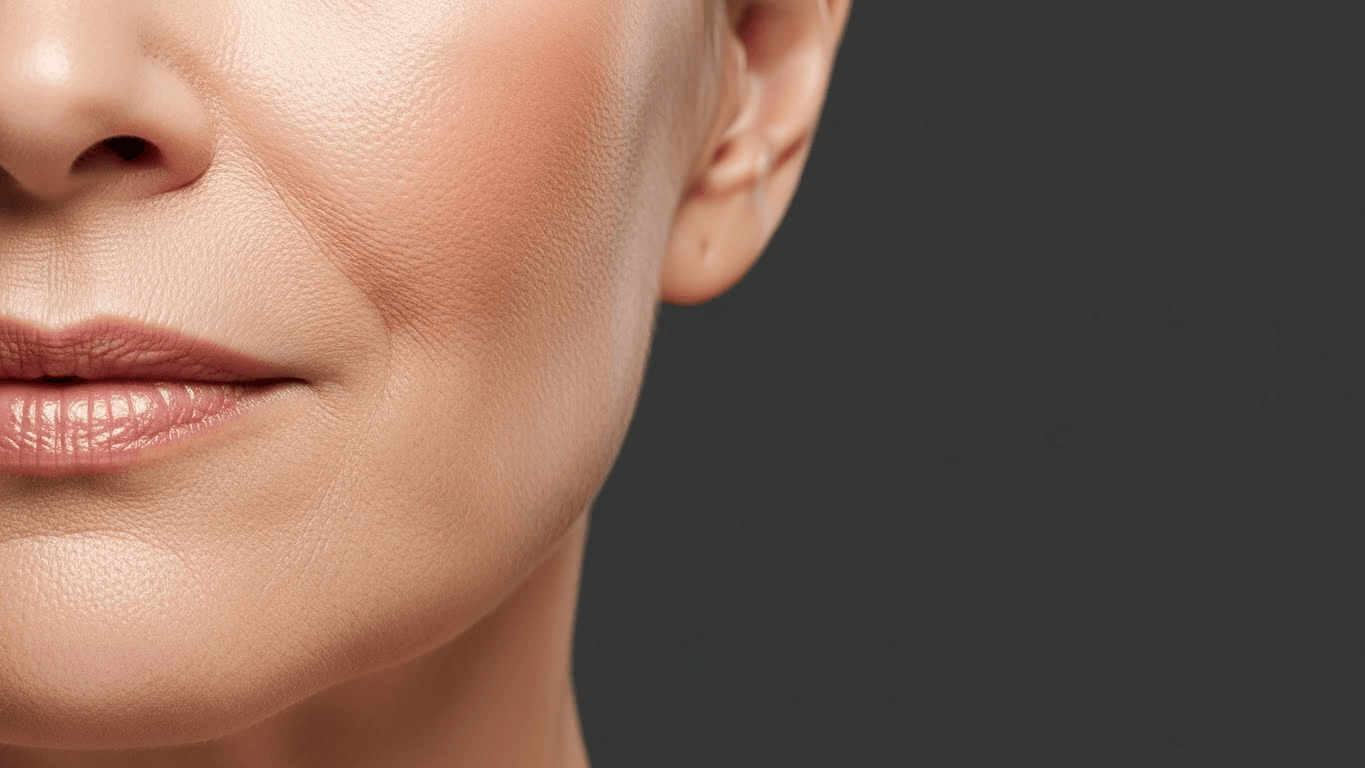
Mastering Rejuvenation: Advanced Surgical Techniques for Face and Neck
Achieving optimal and natural-looking results from a combined facelift and neck lift hinges on the surgeon’s mastery of various advanced surgical techniques. These procedures are not one-size-fits-all; rather, they are meticulously tailored to each patient’s unique facial anatomy and specific aging concerns. Understanding the nuances of these techniques provides valuable insight into the precision and artistry involved in modern facial rejuvenation surgery.
Facelift Techniques: From Subtle to Comprehensive
Facelift techniques vary in their invasiveness and the depth of tissue they address. The choice of technique depends on the degree of sagging, skin elasticity, and the patient’s desired outcome. A common goal across all facelift types is to reposition sagging tissues and remove excess skin, thereby restoring youthful contours.
Mini-Facelift: Targeted Refinement
The mini-facelift is a less invasive option, ideal for individuals with mild to moderate signs of aging, primarily in the lower face and jawline. It involves shorter incisions, typically concealed around the ears, and focuses on lifting and tightening the superficial layers of facial tissue. This technique offers a quicker recovery and a more subtle rejuvenation, with results lasting approximately five to seven years (Carolina Cosmetic Surgery, 2025; Bookimed, n.d.). It is a popular choice for younger patients in their 40s or early 50s who seek a refreshed look without extensive downtime.
SMAS Facelift: Addressing Deeper Structures
The SMAS (Superficial Musculoaponeurotic System) facelift is a more comprehensive approach that targets not only the skin but also the underlying foundational layer of muscle and connective tissue. By lifting and repositioning the SMAS layer, surgeons can achieve a more natural and long-lasting result, effectively correcting moderate to significant sagging in the mid-face, jowls, and neck. This technique places tension on the deeper tissues, avoiding an unnatural “pulled” appearance. SMAS facelifts often provide results that last a decade or more, making them a mid-range value option for significant rejuvenation (Carolina Cosmetic Surgery, 2025; Bookimed, n.d.).
Deep Plane Facelift: The Gold Standard
Considered the gold standard for comprehensive facial rejuvenation, the deep plane facelift offers the most dramatic, natural, and enduring results. This advanced technique involves dissecting and lifting the SMAS, muscle, and overlying fat and skin together as a single, composite unit. By working beneath the SMAS layer and releasing key retaining ligaments, the surgeon achieves a powerful vertical lift of the mid-face, restoring youthful cheek contours and seamlessly improving the jawline and neck. The intricate nature of this procedure requires extensive training and meticulous surgical skill, justifying its premium investment. Deep plane facelift results can last a decade or even longer, providing unparalleled longevity and naturalness (Carolina Cosmetic Surgery, 2025; Bookimed, n.d.).
Neck Lift Techniques: Refining the Jawline and Neck
A neck lift is crucial for addressing the distinct signs of aging in the lower face and neck. Various techniques are employed, often in conjunction with a facelift, to achieve a smooth, firm, and well-defined neck contour.
Simple Liposuction
For younger patients with good skin elasticity and localized fat deposits under the chin, simple liposuction may be sufficient. This minimally invasive procedure removes excess fat, improving the definition of the jawline and neck without extensive skin removal or muscle tightening (Carolina Cosmetic Surgery, 2025).
iGuide Neck Lift
The iGuide neck lift is a newer technique that combines liposuction with fiber optic sutures. These sutures are used to lift and support the neck tissues, providing a more defined neck contour with less invasiveness than a traditional open neck lift. It is suitable for mild to moderate neck laxity (Carolina Cosmetic Surgery, 2025).
Open Neck Lift with Platysmaplasty
For moderate to severe skin and muscle laxity in the neck, an open neck lift with platysmaplasty is often recommended. This procedure involves tightening the platysma muscles, which are responsible for the vertical bands that can appear in the neck. Incisions are typically made around or behind the ears and sometimes under the chin, allowing the surgeon to directly access and tighten these muscles, remove excess skin, and redefine the neck and jawline (Carolina Cosmetic Surgery, 2025).
The Procedural Process and Incision Placement
Regardless of the specific techniques chosen, the surgical process for a combined facelift and neck lift typically involves precise incision placement to ensure scars are as inconspicuous as possible. Incisions usually begin in the scalp at the temples, extend around the front edge of the ears, follow along the natural groove where the ear meets the head, and may continue into the hairline or behind the ear for additional access. This strategic placement allows the surgeon to lift and redrape the skin and tissues while concealing the resulting scars within natural creases and hair (Carolina Cosmetic Surgery, 2025).
The entire operation is typically performed under general anesthesia and can last between three to five hours. During the procedure, surgeons meticulously handle facial nerves to minimize the risk of injury, prioritizing patient safety alongside aesthetic outcomes. Post-operative effects include swelling and bruising, which usually peak within the first week and gradually subside over the following weeks. The full results of the surgery develop over several months as the tissues settle and any residual swelling resolves (Carolina Cosmetic Surgery, 2025).

Preparing for Transformation: Ideal Candidates and Preoperative Planning
The success and safety of a combined facelift and neck lift depend significantly on careful candidate selection and thorough preoperative planning. Not everyone is an ideal candidate for these procedures, and a comprehensive evaluation by a qualified plastic surgeon is essential to determine suitability and tailor a personalized treatment plan.
Typical Age Range and Health Criteria
Most patients seeking a combined facelift and neck lift are typically between their 40s and 60s. However, the procedures can be successfully performed on older individuals, provided they are in good overall health. Ideal candidates are generally non-smokers, maintain a stable weight, and do not have serious medical conditions that could impair healing or increase surgical risks. A thorough medical history review and physical examination are crucial to ensure patient safety (Carolina Cosmetic Surgery, 2025).
The Influence of Skin Quality and Facial Anatomy
Skin quality and underlying facial anatomy play a significant role in determining candidacy and influencing the potential outcomes. Patients with good skin elasticity tend to achieve better, longer-lasting results, as their skin can more effectively redrape over the newly contoured facial and neck structures. Conversely, individuals with poor skin quality or significant muscle laxity may require more extensive procedures or may have different aesthetic outcomes. A strong underlying bone structure also contributes to more defined and aesthetically pleasing results (Carolina Cosmetic Surgery, 2025).
The Importance of Realistic Expectations and Personalized Plans
One of the most critical aspects of preoperative consultation is establishing realistic expectations. Surgeons work closely with patients to understand their aesthetic goals and to clearly communicate what can be realistically achieved through surgery. The aim is to provide a natural, refreshed appearance, not a drastic or artificial transformation. Treatment plans are highly personalized, taking into account individual facial features, the specific signs of aging present, and the patient’s desired outcomes. Often, the plan may combine a facelift, neck lift, and potentially other rejuvenation techniques like eyelid surgery or fat grafting for a more holistic improvement (Carolina Cosmetic Surgery, 2025).
Contraindications and Concerns Regarding Tobacco Use
Certain factors can contraindicate surgery or significantly increase risks. Tobacco use is a major concern, as it severely impairs blood flow and oxygen delivery to tissues, leading to compromised healing, increased risk of infection, and poor scarring. Patients are strongly advised to stop smoking several weeks before and after surgery to ensure optimal healing and minimize complications. Other contraindications may include uncontrolled chronic diseases, certain bleeding disorders, or unrealistic patient expectations (Carolina Cosmetic Surgery, 2025).
Addressing Specific Signs of Facial Aging
The combined facelift and neck lift procedures are specifically designed to address a range of common facial aging signs. These include sagging skin in the cheeks and jawline (jowls), loose neck muscles that create vertical bands, excess fat under the chin (double chin), and overall skin laxity in the lower face and neck. It is important to note that these procedures do not typically correct pigmentation issues like sun spots, freckles, or fine surface wrinkles, which may require complementary non-surgical treatments such as chemical peels or laser resurfacing (Carolina Cosmetic Surgery, 2025).
The Journey to Renewal: Recovery and Post-Operative Care
The recovery period following a combined facelift and neck lift is a crucial phase that significantly impacts the final results. While the initial healing process can be managed effectively with proper care, understanding the typical timeline and adhering to post-operative instructions are paramount for a smooth and successful outcome.
Typical Recovery Timeline
The healing process after a combined facelift and neck lift usually spans one to three weeks. During this initial period, most patients can gradually return to their daily routines. Swelling and bruising are common and expected immediately after surgery. These typically peak within the first few days and then begin to significantly diminish over the first two weeks. While visible improvements are noticeable early on, the full and refined results develop gradually over several months as all residual swelling resolves and the tissues settle into their new, rejuvenated positions (Carolina Cosmetic Surgery, 2025).
Patients may experience some tightness, numbness, and minor discomfort in the treated areas, which can be managed with prescribed pain medication. It is essential to avoid strenuous activities, heavy lifting, and vigorous exercise for at least two to three weeks, or as advised by the surgeon, to prevent complications and ensure proper healing. Individual recovery duration can vary based on factors such as the patient’s age, overall health, skin elasticity, and the extent of the surgical intervention (Carolina Cosmetic Surgery, 2025).
Essential Post-Operative Care Instructions
Adhering to the surgeon’s post-operative care instructions is critical for optimizing healing and achieving the best possible results. These instructions typically include:
- Head Elevation: Keeping the head elevated, even during sleep, for the first few days or weeks helps to reduce swelling.
- Compression Garments: Wearing a compression garment or bandage as directed by the surgeon is vital. This helps to minimize swelling, provide support to the healing tissues, and promote optimal contouring.
- Medication Management: Taking prescribed pain relievers and antibiotics as instructed is important for comfort and to prevent infection.
- Wound Care: Keeping incision sites clean and dry, and following specific instructions for dressing changes, is crucial for preventing infection and promoting good scar healing.
- Avoiding Sun Exposure: Protecting incision sites and the treated areas from direct sun exposure is essential to prevent hyperpigmentation and ensure optimal scar maturation.
- Hydration and Nutrition: Maintaining good hydration and a healthy diet supports the body’s natural healing processes.
- Follow-up Appointments: Attending all scheduled follow-up appointments allows the surgeon to monitor progress, remove sutures or drains, and address any concerns.
Patients should also be mindful of their lifestyle choices during recovery. Avoiding smoking and excessive alcohol consumption is crucial, as these can impede healing. Gentle walking is often encouraged to promote circulation, but any activity that raises blood pressure or puts strain on the face and neck should be avoided. Patience is key during recovery, as the final aesthetic outcome will gradually reveal itself over time.
The Enduring Investment: Long-Term Value, Risks, and Financial Planning
A combined facelift and neck lift represents a significant investment, not just financially, but also in terms of time and personal well-being. Understanding the long-term outcomes, potential risks, and comprehensive cost considerations is essential for patients to make fully informed decisions and appreciate the enduring value of their rejuvenation journey.
Longevity of Results and Influencing Factors
The durability of facelift and neck lift results is a key factor in assessing their long-term value. While these procedures effectively “reset the clock” on facial aging, they do not halt the natural aging process. The effects of a facelift typically last between 7 to 10 years, with some patients enjoying results for even longer, particularly with advanced techniques like the deep plane facelift (Carolina Cosmetic Surgery, 2025; Bookimed, n.d.). Neck lift results also offer several years of improvement.
Several factors influence the longevity of the results. Younger patients with good skin tone and healthy habits tend to experience more enduring outcomes. Genetics, lifestyle choices (such as smoking, which significantly impairs healing and accelerates aging), sun exposure, and consistent skincare routines all play a role. While some natural changes will occur over time, gradually diminishing the initial improvements, maintaining a healthy lifestyle and adhering to recommended skincare can help prolong the rejuvenated appearance (Carolina Cosmetic Surgery, 2025).
Common Risks and Complications
As with any surgical procedure, combining a facelift and neck lift carries potential risks and complications. Common, usually temporary, side effects include bruising, swelling, and numbness. More serious, though rare, complications can include nerve injury (which can lead to temporary or permanent facial weakness or numbness), infection, poor wound healing, hematoma (a collection of blood under the skin), and adverse reactions to anesthesia. There is also a potential for visible scarring, asymmetry, or changes in skin sensation. Choosing a board-certified, experienced plastic surgeon significantly minimizes these risks, as skilled surgeons are better equipped to manage potential complications and optimize outcomes (Carolina Cosmetic Surgery, 2025; AAFPRS, 2025).
Optimizing Scar Management
Surgeons employ meticulous techniques to minimize visible scarring. Incisions are strategically placed in hidden areas, such as within the hairline, behind the ears, and in natural skin creases. Following post-operative instructions for wound care, including keeping the area clean, protecting it from sun exposure, and avoiding smoking, is crucial for promoting optimal healing and allowing scars to fade over time. In some cases, scar revision treatments may be considered if necessary (Carolina Cosmetic Surgery, 2025).
Economic Advantages of Combined Procedures
Combining a facelift and neck lift offers distinct economic advantages. Patients pay only one set of operating room, anesthesia, and recovery facility fees, which is generally more cost-effective than undergoing each surgery separately. This consolidation of expenses can lead to significant savings. Furthermore, the single recovery period, typically lasting two to four weeks, saves time and reduces the overall disruption to personal and professional life, which can also be considered an economic benefit (Carolina Cosmetic Surgery, 2025; Bookimed, n.d.).
The Importance of Surgeon Experience
The surgeon’s experience and credentials are paramount for successful outcomes. Highly experienced, board-certified plastic surgeons possess the nuanced skills required to perform these complex procedures with precision, resulting in natural-looking and long-lasting results. They are also better equipped to anticipate and manage potential risks, customize procedures to individual facial structures, and provide comprehensive preoperative assessments. Patients should prioritize selecting a surgeon specifically trained in procedures of the face, head, and neck, and ensure they are board-certified in the desired procedure (AAFPRS, 2025).
Realistic Post-Surgery Outcomes and Psychological Returns
Patients should maintain realistic expectations regarding post-surgery outcomes. While the results are long-lasting, they are not permanent, and the natural aging process will continue. The goal is a subtle, natural enhancement that makes one look refreshed and more youthful, rather than drastically different. Final, optimal results typically develop over several months to a year as swelling fully subsides and tissues settle (Carolina Cosmetic Surgery, 2025).
Beyond the tangible aesthetic improvements, a facelift can yield significant psychological and social returns. Patients frequently report a substantial boost in self-confidence, feeling that their refreshed outer appearance now better aligns with their inner vitality. Studies indicate that people are perceived as younger, healthier, more attractive, and even more successful after a facelift (Bookimed, n.d.). This renewed sense of self can positively impact various facets of life, including social interactions, professional opportunities, and overall quality of life. These intangible benefits are often cited by patients as the most valuable returns on their facelift investment, underscoring that the decision extends beyond mere aesthetics to encompass profound personal well-being (NCH Stats, 2025).
Global Perspectives: Navigating Facelift Costs Worldwide
The financial investment required for a facelift and neck lift varies significantly across different geographic regions. For patients in the commercial investigation phase, understanding these global disparities is crucial for making an informed decision that balances cost, quality, and convenience. This section provides a comparative analysis of facelift costs, highlighting differences between established markets like the United States and popular destinations for international medical tourism.
Facelift Costs in the United States: A Premium Market
The United States typically represents the premium end of the spectrum for facelift costs. This is driven by a combination of high operational expenses, stringent regulatory standards, advanced medical technology, and a concentration of highly specialized surgeons. In 2025, the average cost for a facelift in the U.S. hovers around $17,500, but prices can escalate significantly, reaching up to $50,000 or even more in top-tier clinics located in major metropolitan areas such as New York, Los Angeles, or Miami (Bookimed, n.d.). These figures generally encompass the surgeon’s fee, anesthesia, and facility charges, reflecting the comprehensive nature of the medical services provided.
The higher costs in the U.S. are also a reflection of the extensive training and rigorous board certification requirements for plastic surgeons, the advanced medical infrastructure, and robust patient protection standards. Patients opting for a facelift in the United States generally benefit from access to state-of-the-art technology, a wide array of highly skilled specialists, and comprehensive legal frameworks. While the financial investment is substantial, it often correlates with an assurance of quality, safety, and meticulous post-operative care, which are crucial considerations for any complex surgical procedure (AAFPRS, 2025).
International Medical Tourism: Cost Savings with Considerations
The allure of significant cost savings has fueled the rise of international medical tourism for cosmetic procedures, including facelifts. Countries such as South Korea, Thailand, Turkey, and Mexico have emerged as popular destinations, offering all-inclusive facelift packages that can be 40% to 70% less expensive than equivalent procedures in the United States (Bookimed, n.d.). This substantial cost disparity is attributed to several factors, including reduced labor and facility costs, lower operational overheads, and a highly competitive market driven by the volume of international patients.
However, while the financial benefits are evident, patients considering medical tourism must approach this option with rigorous due diligence. Variations in medical standards, regulatory oversight, and post-surgical follow-up can introduce additional risks. It is crucial to thoroughly vet the credentials of foreign clinics and surgeons, ensuring they meet international standards of safety and care. Language barriers, differences in legal recourse, and the logistical challenges of managing potential complications from a distance are all important considerations. While international options can make cosmetic surgery more financially accessible, the decision should always balance cost savings with an unwavering commitment to quality, safety, and comprehensive post-operative support (Bookimed, n.d.).
Understanding All-Inclusive Packages Abroad
Many international clinics, particularly in popular medical tourism destinations, offer “all-inclusive” facelift packages designed to simplify the process and attract international patients. These packages often bundle the procedure itself, anesthesia, and post-operative care, and sometimes extend to include accommodations and transportation (Bookimed, n.d.). The appeal of such packages lies in their comprehensive nature, providing a seemingly transparent and consolidated cost that covers most, if not all, anticipated expenses. This approach can be particularly attractive for patients seeking to avoid the complexity of managing multiple billing components.
However, patients must meticulously scrutinize the details of these packages to understand precisely what is included and what might constitute an additional expense. Important questions to ask include: Are all follow-up appointments covered? What is the policy for managing unexpected complications? Does the package include all necessary medications and post-surgical garments? What are the qualifications of the anesthesia provider and the accreditation status of the facility? While all-inclusive packages can streamline the financial aspect of medical tourism, a thorough review of the terms and conditions is paramount to ensure complete transparency and prevent any unforeseen costs or gaps in care. The goal is to ensure the package delivers both financial value and uncompromised safety standards (Bookimed, n.d.).
Sustaining Youth: Maintenance and Future Considerations
A combined facelift and neck lift provides significant and long-lasting rejuvenation, but it does not halt the natural aging process. To maintain and optimize the results over time, patients should anticipate ongoing maintenance and potential future costs. These considerations are an integral part of the long-term value assessment of the initial surgical investment.
Non-Surgical Maintenance Treatments
To prolong the refreshed appearance achieved through surgery, many patients incorporate non-surgical aesthetic treatments into their routine. Neurotoxins, such as Botox, can help soften dynamic wrinkles that develop from facial expressions, particularly around the eyes and forehead. Dermal fillers are effective for restoring lost volume in areas prone to deflation, such as the cheeks, temples, and around the mouth, which can occur even after a facelift. These treatments are typically required every few months to a year, representing a recurring expense that contributes to the overall maintenance of results (NCH Stats, 2025).
Skin resurfacing treatments, including chemical peels or laser therapy, are also valuable for improving skin texture, tone, and addressing superficial sun damage. These treatments complement the lifting effects of surgery by enhancing the quality of the skin itself. While not directly part of the initial facelift cost, they are often recommended by surgeons to optimize and extend the overall aesthetic outcome. The market in 2025 increasingly focuses on personalized, safe, and minimally invasive procedures that align with consumer demand for subtle yet effective facial rejuvenation (Carolina Cosmetic Surgery, 2025).
Potential Future Interventions
Depending on the chosen surgical technique, individual aging patterns, and lifestyle, a secondary or “touch-up” procedure might be considered many years down the line. For instance, a mini-facelift may require a touch-up within five to seven years, while a deep plane facelift offers results that can last a decade or more before any significant revision might be contemplated (Carolina Cosmetic Surgery, 2025). These potential future interventions should be factored into a comprehensive long-term financial plan.
Furthermore, advancements in regenerative medicine, such as platelet-rich plasma (PRP) or exosome therapies, are gaining popularity for their ability to accelerate healing and enhance skin quality. While these are typically add-on expenses, they represent an investment in optimizing the skin’s health and potentially extending the longevity of surgical results by targeting cellular rejuvenation (AAFPRS, 2025). Being aware of these additional considerations is vital for a holistic understanding of the financial commitment involved in maintaining a youthful appearance after a combined facelift and neck lift.
Why are facelift and neck lift procedures often combined?
Facelift and neck lift procedures are frequently combined to achieve a more harmonious and comprehensive facial rejuvenation. Aging affects both the face and neck simultaneously, and treating them together ensures a balanced, natural-looking outcome, preventing a disjointed appearance. This approach addresses sagging skin, jowls, and neck laxity as a single aesthetic unit.
What are the main benefits of combining these surgeries?
Combining facelift and neck lift offers several benefits, including improved facial harmony, enhanced jawline definition, and a more youthful neck contour. It is also more cost-effective due to a single set of facility and anesthesia fees, and it reduces overall downtime with a single recovery period. The results are typically more natural and long-lasting.
What are the different types of facelift techniques?
Facelift techniques range from less invasive mini-facelifts, which target mild aging in the lower face, to more comprehensive SMAS facelifts that address deeper tissues for moderate sagging. The deep plane facelift is considered the gold standard, lifting all facial tissue layers for the most dramatic, natural, and long-lasting results.
How long does recovery typically take after a combined facelift and neck lift?
The typical recovery period for a combined facelift and neck lift ranges from one to three weeks. Swelling and bruising are common initially but significantly diminish within two weeks. Most patients can return to daily routines during this time, though strenuous activities should be avoided for at least two to three weeks. Full results develop over several months.
How long do the results of a combined facelift and neck lift last?
The results of a combined facelift and neck lift can be long-lasting, often maintaining a youthful appearance for 7 to 15 years, depending on the specific techniques used, individual aging factors, and lifestyle. Deep plane facelifts tend to offer the longest-lasting results.
Are there any ongoing costs after the initial surgery?
Yes, to maintain and optimize results, patients may incur ongoing costs for non-surgical maintenance treatments. These can include neurotoxins (like Botox) for dynamic wrinkles, dermal fillers for volume restoration, and skin resurfacing treatments (chemical peels, laser therapy) to improve skin quality. These are typically recurring expenses.

Embracing a Unified Transformation: The Lasting Impact of Combined Facelift and Neck Lift
The journey toward facial rejuvenation is a significant undertaking, and for many, the most impactful path involves a comprehensive approach: combining a facelift with a neck lift. This integrated strategy stands as a testament to modern plastic surgery’s ability to deliver not just isolated improvements, but a truly harmonious and enduring transformation. Throughout this guide, we have explored the multifaceted reasons why these two procedures are often performed together, delving into the core principles, mechanistic details, and long-term implications that underscore their synergistic power.
We began by understanding the inherent connection between facial and neck aging. The sagging jowls, deep creases, and lax neck skin that develop over time are not independent phenomena but rather interconnected manifestations of the same aging process. By treating the lower face and neck as a unified aesthetic unit, surgeons can achieve a seamless transition and a balanced profile that avoids the tell-tale signs of piecemeal rejuvenation. This holistic perspective is fundamental to creating results that appear natural, as if time has simply been turned back gracefully, rather than surgically altered (Carolina Cosmetic Surgery, 2025).
Our exploration of surgical techniques highlighted the spectrum of options available, from the subtle refinements of a mini-facelift to the profound and long-lasting effects of a deep plane facelift, complemented by various neck lift approaches like platysmaplasty. The precision in incision placement, designed to conceal scars within natural contours, and the meticulous handling of underlying tissues, are hallmarks of skilled surgical artistry. These advanced techniques, when applied by an experienced, board-certified surgeon, are crucial for minimizing risks and maximizing the aesthetic outcome, ensuring that each patient’s unique anatomy and goals are addressed with the utmost care (AAFPRS, 2025).
We also emphasized the critical importance of candidate suitability and thorough preoperative considerations. Ideal candidates are those in good health, with realistic expectations, and a clear understanding of the surgical process. The preoperative consultation serves as a vital dialogue, where personalized treatment plans are crafted, and potential risks, such as those associated with tobacco use, are carefully discussed. This diligent preparation lays the groundwork for a safer procedure and a more satisfying recovery. The recovery timeline, typically spanning a few weeks, requires adherence to specific post-operative care instructions, from head elevation to compression garment use, all designed to optimize healing and ensure the longevity of the results (Carolina Cosmetic Surgery, 2025).
Furthermore, we examined the long-term value of this investment, noting that while results are durable, ongoing maintenance with non-surgical treatments can significantly prolong the rejuvenated appearance. The economic advantages of combining procedures, such as consolidated fees and a single recovery period, also contribute to the overall value proposition. Beyond the tangible, the psychological and social returns—a profound boost in self-confidence and a renewed sense of vitality—are often the most cherished benefits, impacting various aspects of a patient’s life positively (NCH Stats, 2025; Bookimed, n.d.).
In conclusion, combining a facelift with a neck lift is more than just a cosmetic procedure; it is an investment in a more confident, harmonious, and youthful self. For those seeking a definitive and authoritative solution to facial and neck aging, this dual approach offers unparalleled results. It is a journey that demands careful consideration, thorough research, and most importantly, the guidance of a highly skilled and experienced plastic surgeon. By choosing this path, individuals can achieve a transformation that not only enhances their external appearance but also profoundly enriches their internal sense of well-being, allowing them to face the future with renewed confidence and grace. If you are considering this transformative step, seek a consultation with a board-certified specialist to explore how a combined facelift and neck lift can help you achieve your aesthetic aspirations.
Bibliography
- Carolina Cosmetic Surgery. (2025, September 1). Facelift and Necklift Combo: What to Expect. Retrieved from https://carolinacosmeticsurgery.org/blog/facelift-and-necklift-combo-what-to-expect
- American Society of Plastic Surgeons. (n.d.). Plastic Surgery Statistics. Retrieved from https://www.plasticsurgery.org/news/plastic-surgery-statistics
- American Academy of Facial Plastic and Reconstructive Surgery. (2025, February 4). AAFPRS Reveals New Statistics and Trends in Facial Plastic Surgery. Retrieved from https://www.aafprs.org/Media/Press_Releases/2024_Annual_Trends_Survey.aspx
- McAllister, R. (2025, November 20). U.S. Plastic Surgery Trends 2025 – The Most Sought-After Procedures. North American Community Hub Statistics. Retrieved from https://nchstats.com/u-s-plastic-surgery-trends/
- Mytrofankina, M. (2025, May 12). How Much Does a Facelift Cost in 2025? Bookimed. Retrieved from https://us-uk.bookimed.com/article/facelift-cost/