

One of the most frequent questions patients ask before undergoing a facelift (rhytidectomy) or neck lift is: “How painful is the procedure, and what does recovery feel like?” The prospect of postoperative pain can be a significant source of anxiety. However, clinical experience and patient reports consistently show that the predominant sensations after these surgeries are tightness, numbness, and pressure rather than sharp or severe pain—and these are effectively managed with medication and proper aftercare.
This article provides a detailed, evidence-based breakdown of what patients can expect in terms of pain, tension, and recovery after facelift and neck lift surgery, with a focus on the first week and the return to work and social life. We also clarify the role of neck corsets (compression garments) and how long they are typically worn.

Table of Contents
Facelift Pain: What Does It Feel Like?
1. Immediate Postoperative Period (First 24–72 Hours)
- Pain Level: Most patients report mild to moderate discomfort, not severe pain. The procedure itself is performed under anesthesia, so no pain is felt during surgery.
- Type of Sensation: The most common descriptions include:
- Tightness (a pulling or stretching feeling, especially when smiling or moving the face)
- Numbness or tingling (due to nerve trauma and swelling, particularly around the ears, cheeks, and neck)
- Soreness or pressure (similar to a deep bruise or muscle ache)
- Throbbing or achiness (usually mild and localized to incision sites)
- Pain Management:
- Prescription painkillers (e.g., oxycodone, hydrocodone) are typically used for the first 2–3 days, after which most patients transition to over-the-counter options (e.g., acetaminophen, ibuprofen).
- Cold compresses (applied as directed by the surgeon) help reduce swelling and discomfort.
- Long-acting local anesthetics are often administered during surgery to minimize early postoperative pain.
- Key Insight: Severe pain is rare after facelift surgery. Most patients are surprised by how manageable the discomfort is with medication.
2. Days 4–7: The First Week
- Pain Trends:
- By day 4–5, pain levels significantly decrease for most patients. Many no longer require prescription medication and switch to OTC pain relievers.
- Tightness and numbness become the dominant sensations, often overshadowing any residual pain.
- Swelling and bruising peak around days 3–5, which can contribute to a feeling of fullness or pressure in the face and neck.
- What Patients Notice:
- Limited facial mobility (e.g., difficulty smiling widely or making exaggerated expressions due to tightness).
- Itching or tingling as nerves begin to regenerate.
- Mild tenderness when touching the incisions or swollen areas.
- Pain Management:
- OTC pain relievers are usually sufficient.
- Head elevation (sleeping with 2–3 pillows) and gentle movement help reduce swelling and discomfort.
Neck Lift Recovery: Tension, Corsets, and Returning to Normal Life
1. Neck Tightness After Surgery
- What to Expect:
- Neck tightness is very common after a neck lift and is often more noticeable than pain.
- This sensation stems from:
- Tissue repositioning (muscles and skin are lifted and tightened).
- Swelling (fluid buildup in the neck tissues).
- Scar tissue formation (as the body heals, new collagen fibers create a temporary “pulling” feeling).
- Duration of Tightness:
- First week: Intense tightness due to swelling and trauma.
- Weeks 2–4: Gradual improvement as swelling subsides.
- Weeks 4–12: Continued softening of tissues; scar tissue may be felt but is usually not visible.
- 3+ months: Majority of tightness resolves; residual firmness may last up to 6 months in some cases.
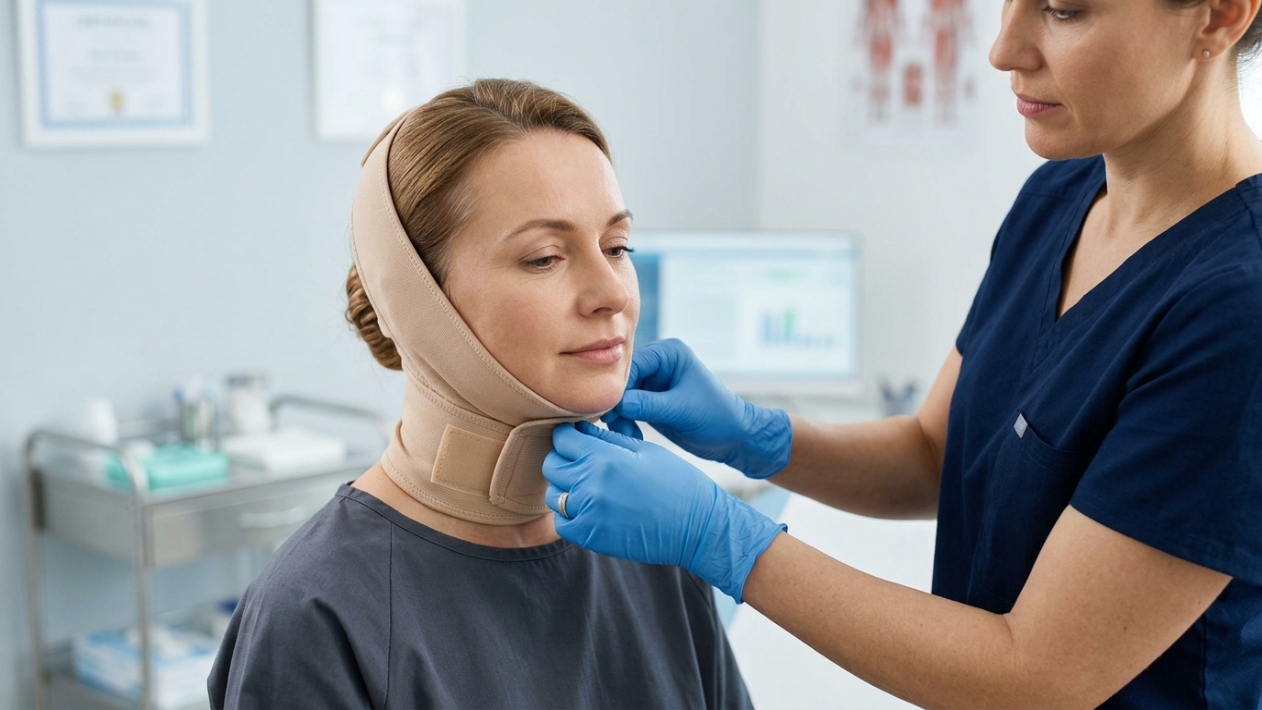
2. Neck Corset (Compression Garment): How Long to Wear It?
- Purpose of the Corset:
- Reduces swelling by compressing the treated area.
- Supports healing tissues and helps the skin adhere to the new contours.
- Minimizes fluid buildup (seroma) and improves comfort.
- Typical Wear Duration:
- First 24–48 hours: Continuous wear (often with drains in place).
- Days 3–7: Worn full-time (removed only for showering or as directed by the surgeon).
- Weeks 2–3: Gradual reduction—some surgeons recommend wearing it only at night or for 12 hours/day.
- Weeks 4+: Most patients no longer need the corset, though some may continue for additional support if advised.
- Key Note: Always follow your surgeon’s specific instructions, as protocols can vary based on the extent of surgery and individual healing.
Returning to Work and Social Life: Realistic Timelines
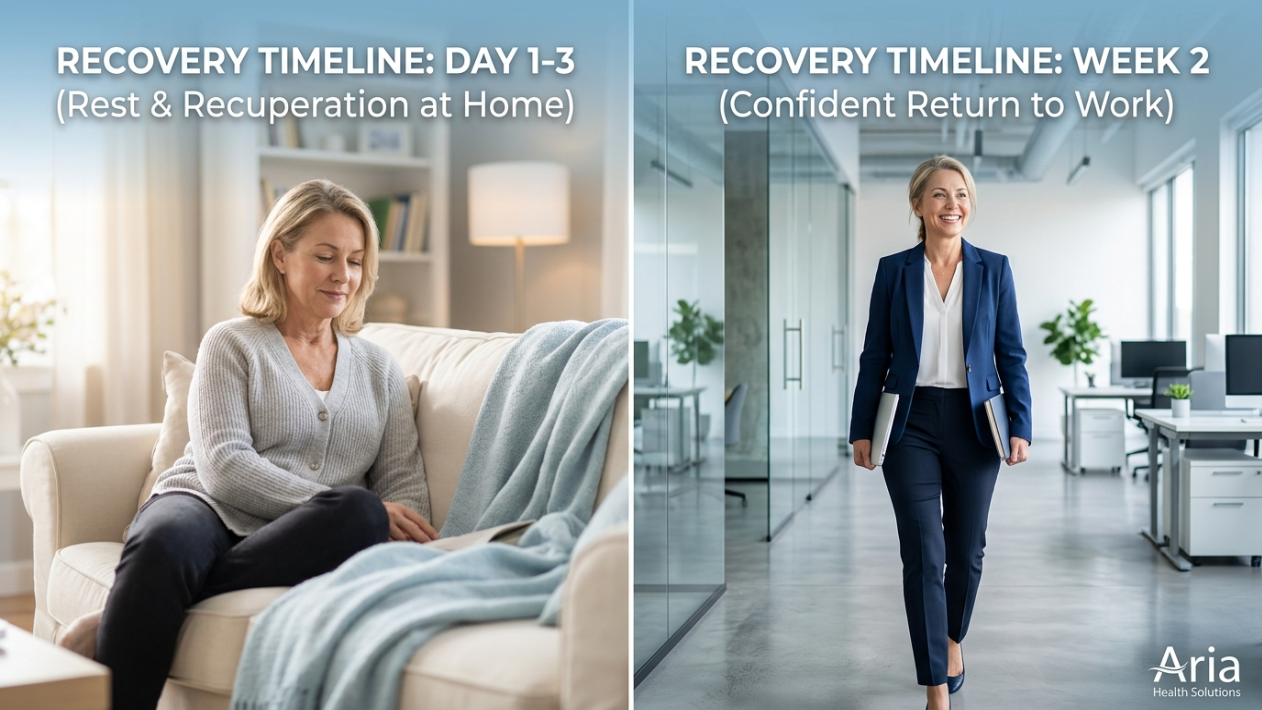
1. Facelift Recovery Timeline
| Timeframe | What to Expect | Activity Level |
|---|---|---|
| Day 1–3 | Peak swelling, bruising, and discomfort; rest is critical. | Bed rest; minimal movement. |
| Day 4–7 | Swelling begins to subside; tightness and numbness dominate. | Light walking; avoid strenuous activity. |
| Week 2 | Most patients feel “like themselves” again; bruising fades. | Can return to non-strenuous work. |
| Week 3–4 | Tightness persists but is less intense; itching may increase. | Light social activities; avoid heavy lifting. |
| Month 1+ | Minor swelling and tightness may linger but are only noticeable to you. | Full return to normal activities. |
| 3–6 Months | Final results emerge; residual tightness resolves. | No restrictions. |
2. Neck Lift Recovery Timeline
| Timeframe | What to Expect | Activity Level |
|---|---|---|
| Day 1–3 | Swelling and bruising peak; neck feels stiff and tight. | Rest; avoid neck movement. |
| Day 4–7 | Swelling starts to decrease; drains (if used) are usually removed. | Light walking; corset worn full-time. |
| Week 2 | Bruising fades; tightness remains but is more comfortable. | Can return to non-strenuous work. |
| Week 3–4 | Most visible swelling resolves; neck contour improves. | Light social activities; corset at night. |
| Month 1+ | Final neck definition appears; tightness mostly gone. | Full return to normal activities. |
| 3–6 Months | Scars mature; tightness fully resolves. | No restrictions. |
Patient-Specific Factors That Influence Recovery
- Type of Procedure:
- Deep plane facelift or extended neck lift (with platysmaplasty) may involve more swelling and longer tightness than a mini facelift or limited neck lift.
- Individual Healing:
- Skin elasticity, age, and overall health affect recovery speed. Thicker, more elastic skin may handle tension better and show less bruising.
- Surgeon’s Technique:
- Advanced methods (e.g., SMAS lifting, deep plane techniques) often result in less skin tension and more comfortable healing.
- Postoperative Care:
- Following instructions (e.g., wearing compression, avoiding salt, staying hydrated) speeds up recovery.

Practical Tips for a Smoother Recovery
1. Managing Tightness and Numbness
- Be Patient: Tightness is normal and a sign that the tissues were properly lifted. It will improve over weeks to months.
- Gentle Massage: After 2–3 weeks (and with your surgeon’s approval), light scar massage can help soften tight areas.
- Avoid Stretching: Do not force facial movements (e.g., wide smiles) in the early weeks, as this can increase tension.
2. Pain Relief Strategies
- Stay Ahead of Pain: Take pain medication as prescribed before discomfort becomes severe.
- Cold Therapy: Apply ice packs (wrapped in a cloth) to reduce swelling in the first 48–72 hours.
- Hydration and Nutrition: Drink plenty of water and eat protein-rich foods to support tissue repair.
3. Neck Corset Best Practices
- Wear as Directed: Even if it feels uncomfortable, the corset helps shape your results and reduces swelling.
- Keep It Clean: Wash the corset daily (if reusable) to prevent bacterial buildup.
- Adjust as Needed: If the corset feels too tight or causes pain, consult your surgeon for adjustments.
When to Contact Your Surgeon
While mild discomfort, tightness, and numbness are normal, contact your surgeon immediately if you experience:
- Severe or worsening pain (not relieved by medication).
- Excessive swelling or bruising (especially if one side is significantly worse).
- Signs of infection (fever, redness, warmth, or pus at incision sites).
- Sudden numbness or weakness (could indicate nerve damage).
- Difficulty breathing or swallowing (rare but serious).
Dr. Berat Çiğdem’s Approach: Personalized Comfort and Natural Results
Dr. Berat Çiğdem’s patient-centered philosophy emphasizes:
- Minimally invasive techniques to reduce trauma and accelerate healing.
- Customized pain management plans tailored to each patient’s tolerance and needs.
- Clear communication about realistic expectations for pain, tightness, and recovery.
- Close follow-up to monitor progress and address concerns promptly.
By combining surgical expertise with compassionate care, Dr. Çiğdem ensures that patients not only achieve stunning results but also experience a smooth, comfortable recovery.
Conclusion: Facelift and Neck Lift Recovery—What You Need to Know
- Pain is typically mild to moderate and well-controlled with medication. The dominant sensations are tightness and numbness, not sharp pain.
- Neck corsets are usually worn full-time for 1–2 weeks, then gradually reduced over the next 1–2 weeks.
- Most patients return to work and light social activities within 1–2 weeks, with full recovery (including resolution of tightness) taking 3–6 months.
- Following your surgeon’s instructions—including wearing compression, staying hydrated, and avoiding strenuous activity—is key to a smooth recovery.
If you’re considering a facelift or neck lift, rest assured that discomfort is temporary, and the long-term benefits—a youthful, rejuvenated appearance—are well worth the short-term investment in your recovery.
Sources
- How Painful Is a Facelift? – David M. Butler MD Plastic Surgery
- Is a Facelift Painful? | Only Faces
- What to Expect During your Facelift Recovery | Dr. Thomas Funcik, MD
- Your facelift recovery explained from Day 1 to Day 30 | ASPS
- Facelift Recovery Timeline: What to Expect Week by Week
- Pain and Discomfort After Facelift
- The Four Stages of Recovery After a Facelift – Dr. Pradeep K. Sinha, M.D. PH.D FACS
- Is a Facelift Painful? What to Expect Before, During, and After Surgery – Facial Plastic Surgery Associates
- Neck Lift Surgery Recovery & Aftercare | The Aesthetic Society
- Neck Lift Recovery Time | What to Expect After Surgery
- Neck Lift Recovery Timeline: Week-by-Week Guide
- Facelift and Necklift Post Operative Instructions | Dr. Bulent Demir
- How Long Does It Really Take to Recover From a Neck Lift – Karolak Facial Plastic Surgery
- Neck Lift Recovery Timeline: Do’s, Don’ts & Healing Tips – İrmet Hospital
- The Truth About Neck Tightness After Facelift: And How to Fix It Fast | Marin Aesthetics
- How Long Does Tightness Last After Neck Lift Surgery?
- How Long Does Tightness Last After Facelift?
- Neck Lift | Johns Hopkins Medicine
- Neck lift surgery: What to expect, recovery time and risks