

The decision to undergo a facelift is rarely about a number on a calendar. While the majority of facelift patients fall between the ages of 45 and 65—a range where moderate signs of aging, such as jowling, midface descent, and neck laxity, become noticeable—the optimal timing for facelift surgery is determined by individual factors rather than chronological age. The most critical considerations are the degree of tissue deformity and skin elasticity, not the patient’s age alone.
This approach ensures that the procedure addresses the root causes of facial aging—loss of skin elasticity and descent of deeper supportive tissues (SMAS layer)—rather than merely tightening surface skin, which can lead to unnatural or short-lived results.
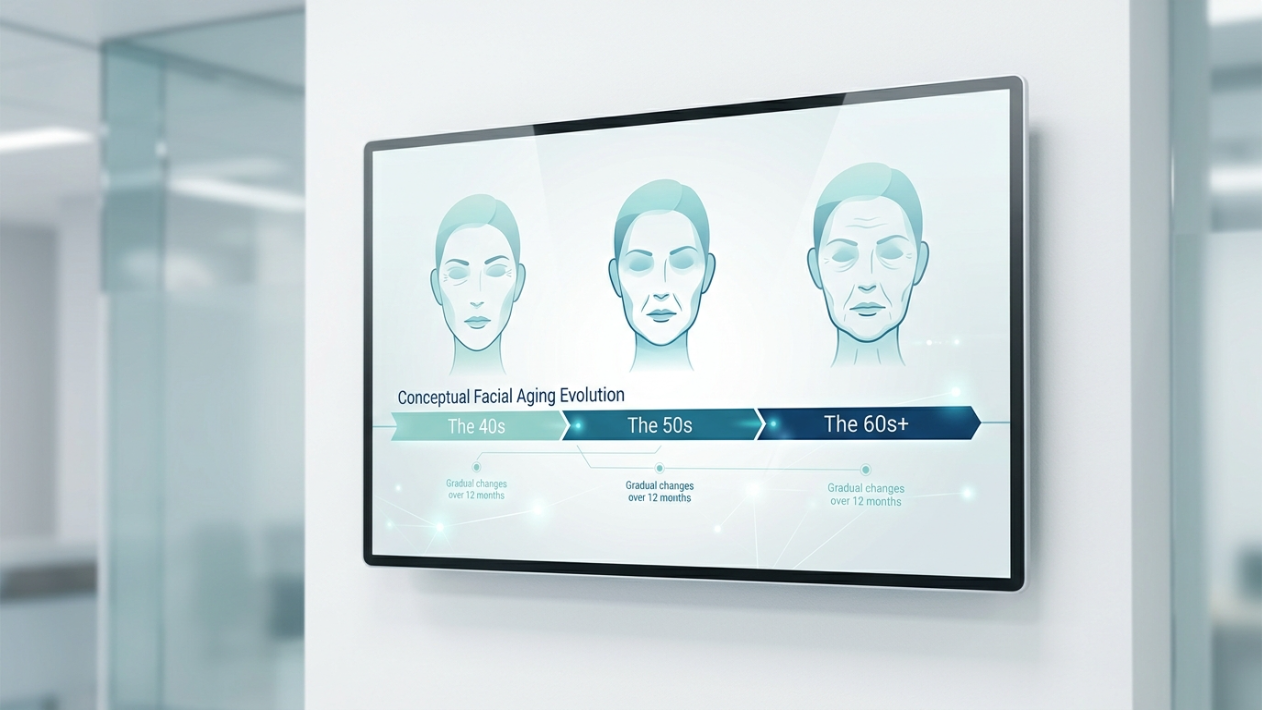
Table of Contents
Why Age Alone Is Not the Deciding Factor
Facial aging is a complex, multifactorial process influenced by genetics, sun exposure, smoking history, weight fluctuations, and skincare habits. These variables explain why some individuals may benefit from facial rejuvenation earlier than others, while some maintain a youthful appearance naturally well into their later years.
Key Factors That Matter More Than Age:
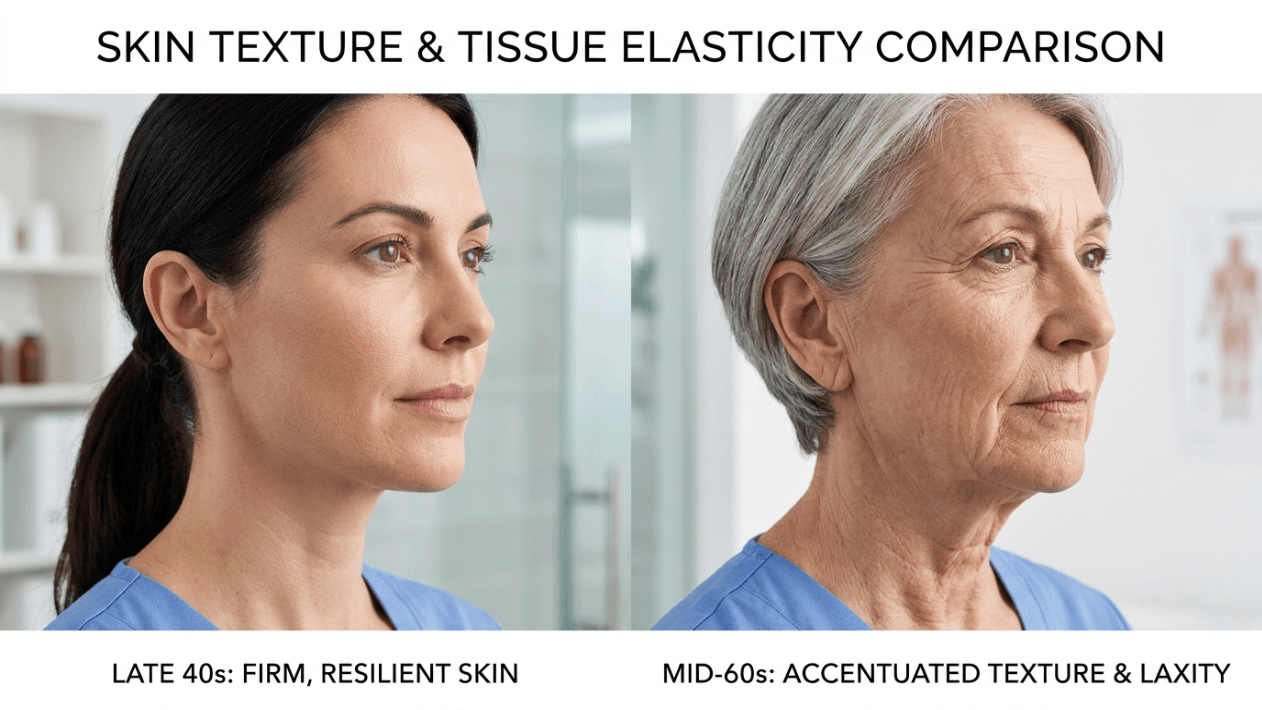
- Skin Elasticity: Patients with better skin quality and elasticity tend to achieve more natural, longer-lasting results. Younger patients (40s–50s) often enjoy smoother healing and extended longevity of outcomes due to healthier tissue.
- Degree of Tissue Descent: The presence of jowling, midface sagging, or neck laxity signals that the deeper structural layers require repositioning—a task non-surgical treatments cannot achieve.
- Overall Health: Ideal candidates are in good physical condition, free from uncontrolled medical conditions that could impair healing or increase surgical risks.
- Lifestyle and Expectations: Smoking, excessive sun exposure, and poor skincare can accelerate aging and compromise surgical outcomes. Realistic expectations about results and recovery are essential.
Facelift in Your 40s: Proactive Rejuvenation
For individuals in their 40s, a facelift—particularly a mini facelift—can be an effective way to address early signs of aging before they become pronounced. This age group often benefits from:
- Stronger skin elasticity, which supports smoother healing and more natural-looking results.
- Less tissue descent, allowing for a more targeted, less invasive procedure.
- Longer-lasting results, as the skin and underlying structures are still relatively resilient.
Best for: Those noticing early jowling, mild to moderate sagging, or genetic laxity but who still have sufficient skin quality to support a lift.
Facelift in Your 50s: Restoring Definition and Contour
The 50s are the most common decade for facelift surgery, as this is when significant tissue descent, volume loss, and skin laxity typically manifest. At this stage:
- A comprehensive facelift (e.g., deep plane or SMAS techniques) is often recommended to address moderate to severe sagging, deep creases, and loss of jawline definition.
- Results are pronounced, with a visible restoration of youthful contours and improved facial harmony.
- Skin elasticity is reduced but often still sufficient to support a good outcome, provided the patient is in good health.
Best for: Individuals with noticeable jowls, significant midface descent, or neck laxity who seek a dramatic yet natural rejuvenation.
When to Consider Surgery: Signs You’re Ready
Facelift surgery becomes a viable option when non-surgical treatments (e.g., fillers, lasers, or thread lifts) no longer provide the desired lift or correction. Key indicators include:
- Sagging skin along the jawline or neck that does not respond to non-invasive methods.
- Deep nasolabial folds or marionette lines that create a tired or aged appearance.
- Loss of facial volume and definition, particularly in the cheeks and jawline.
- Visible jowls or a “double chin” due to tissue descent and skin laxity.
Risks and Considerations by Age Group
| Age Group | Pros | Cons | Best Procedure Type |
|---|---|---|---|
| 40s | Stronger skin elasticity, longer-lasting results, less invasive options | May not need full correction yet, risk of overcorrection | Mini facelift, SMAS lift |
| 50s | Ideal balance of tissue laxity and elasticity, dramatic yet natural results | Longer recovery, more extensive surgery | Full facelift, deep plane facelift |
| 60s+ | Corrects advanced aging, restores youthful contours | Higher risk of complications, longer recovery, less elasticity | Full facelift, neck lift combination |
How to Determine If You’re a Candidate
A board-certified facial plastic surgeon will evaluate your candidacy based on:
- Facial Anatomy and Aging Pattern: Assessment of skin quality, bone structure, and degree of tissue descent.
- Medical History: Screening for conditions that could affect healing (e.g., diabetes, autoimmune disorders).
- Lifestyle Factors: Smoking, sun exposure, and skincare habits that influence aging and recovery.
- Psychological Readiness: Realistic expectations and a clear understanding of the procedure’s limitations.
The Role of Tissue Elasticity in Timing
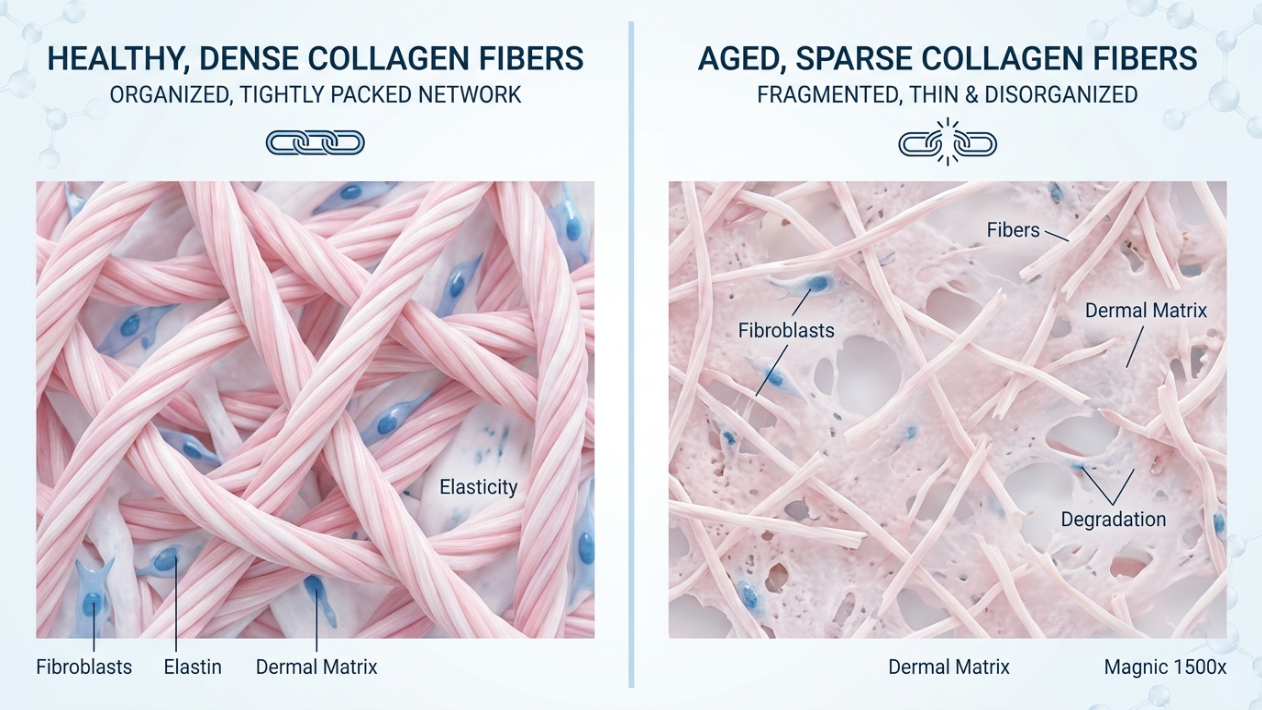
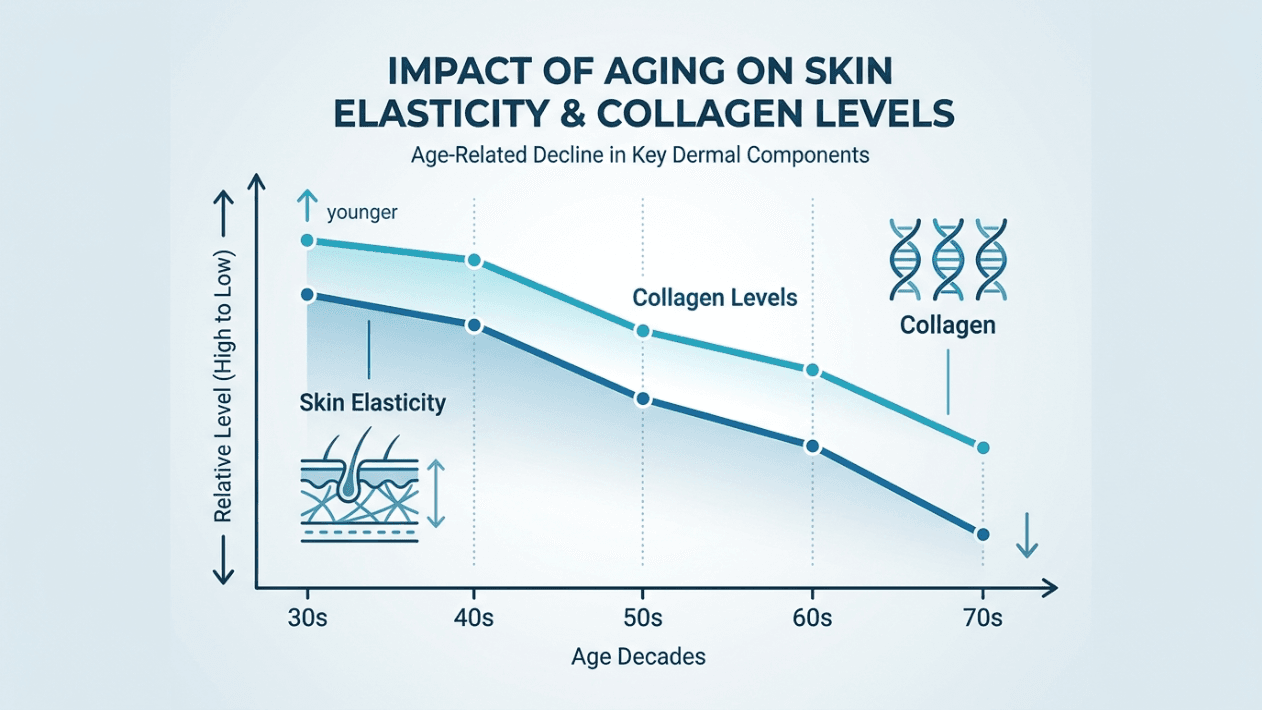
Skin elasticity is the single most important factor in determining both candidacy and the longevity of facelift results. Collagen and elastin production decline with age, but individual variability is high. Patients with good skin quality—regardless of age—tend to heal better and maintain results longer.
- In Your 40s: Higher elasticity allows for subtle, natural lifts with minimal scarring.
- In Your 50s: Elasticity is reduced but often still sufficient for comprehensive rejuvenation.
- In Your 60s+: Elasticity may be compromised, requiring more conservative approaches or additional procedures (e.g., neck lift, fat transfer) to achieve optimal results.
What Happens If You Wait Too Long?
Delaying surgery until advanced tissue descent occurs can:
- Limit the effectiveness of a facelift, as the skin may lack the elasticity to redrape smoothly.
- Increase the need for more invasive procedures (e.g., combining a facelift with a neck lift or fat grafting).
- Prolong recovery time and increase the risk of complications.
However, there is no strict upper age limit for facelift surgery. Healthy individuals in their 60s and 70s can still achieve excellent results if they have sufficient skin elasticity and realistic expectations.
Alternatives to Facelift Surgery
For those not yet ready for surgery, non-surgical options can provide temporary improvements:
- Dermal Fillers: Restore volume to hollow cheeks or temples.
- Botox: Smooth dynamic wrinkles (e.g., crow’s feet, forehead lines).
- Laser Resurfacing: Improve skin texture, tone, and mild laxity.
- Thread Lifts: Offer a subtle lift for mild sagging (results last 1–2 years).
However, these treatments cannot address severe tissue descent—a limitation that eventually makes surgery the most effective solution.
The Bottom Line: Personalization Over Generalization
There is no universal “best age” for a facelift. The decision should align with:
- Your unique facial aging pattern (e.g., early jowling, genetic laxity).
- Your skin’s elasticity and overall health.
- Your personal goals and expectations.
For most patients, the 40s and 50s represent the optimal window—a time when visible aging is present but skin quality remains high enough to support natural, long-lasting results. However, individual assessment by a qualified surgeon is the only way to determine the right timing for you.
Frequently Asked Questions
Is 40 too young for a facelift?
Not necessarily. If you have early signs of aging (e.g., jowling, sagging) and good skin elasticity, a mini facelift can provide subtle, natural rejuvenation with long-lasting results.
Can I get a facelift in my 60s?
Yes. Many patients in their 60s undergo facelifts to restore definition and address advanced aging. The key is ensuring sufficient skin elasticity and overall health.
How long do facelift results last?
Results typically last 7–15 years, depending on:
- Skin quality and elasticity (better elasticity = longer results).
- Surgical technique (deep plane facelifts tend to last longer).
- Lifestyle factors (sun protection, non-smoking, skincare).
What is the recovery time for a facelift?
- Mini facelift: 1–2 weeks for initial recovery, full results in 4–6 weeks.
- Full facelift: 2–3 weeks for initial recovery, full results in 3–6 months.
- Swelling and bruising are most noticeable in the first 10–14 days.
Are there non-surgical alternatives to a facelift?
Yes, but they have limitations:
- Fillers and Botox can improve volume and wrinkles but cannot lift descended tissue.
- Thread lifts provide a subtle lift but are temporary (1–2 years).
- Lasers and radiofrequency improve skin texture and mild laxity but do not reposition deep tissues.
Conclusion
The ideal age for a facelift is not a fixed number but a reflection of your facial aging pattern, skin elasticity, and personal goals. For most, the 40s and 50s offer the best balance of visible aging and tissue quality, but individual assessment is essential. Whether you’re considering a mini facelift in your 40s or a comprehensive lift in your 50s, the key to natural, lasting results lies in addressing the underlying structural changes—not just the surface signs—of aging.
Consulting with a board-certified facial plastic surgeon will help you determine the optimal timing and technique for your unique needs.
Sources
- Facelift Age Guidelines: When is the Right Time for Surgery?
- Facelift on Young People – What’s the Best Age to Start?
- Facelift Surgery Guide 2026: What to Know Before You Book
- Facelift in 2026: What You Need to Know Before Choosing Facial Rejuvenation
- Aging Gracefully: Treatment Timing & Refresh Guide 2026
- What Is the Best Age for a Facelift?
- Best Age for Facelift: What is the Ideal Time for a Mini Facelift and Facelift?
- When Should You Get a Facelift? Age, Timing & Longevity Guide