
What if the most stressful part of your facelift in Antalya is not the surgery itself, but the nine invisible logistics decisions that precede it? A 2025 analysis of medical tourism disruptions revealed that 68% of travel complications for aesthetic procedures stem from mismatched scheduling between pre-op consultations, hotel recovery windows, and flight departure times—not from medical setbacks. Patients spend weeks researching surgical techniques, yet almost no one drafts a coordination timeline before booking a ticket.
You will not find another guide that maps the exact logistics of facelift trip planning from the moment you send a WhatsApp message to the moment you land safely back home. This blueprint delivers a day-by-day scheduling framework that eliminates guesswork, prevents costly booking errors, and ensures your recovery unfolds without a single logistical fracture.

Table of Contents
Why Facelift Trip Planning Fails Without a Logistics Blueprint
Most international patients treat travel coordination as an afterthought. They select a surgery date, book a flight, and reserve a hotel—each step isolated from the others. This sequential approach creates cascading problems. A delayed pre-op consultation pushes the surgery date. A shifted surgery date conflicts with the hotel checkout. A shortened recovery window forces an early departure that risks post-op flight safety and compromises your results.
The Domino Effect: How One Bad Date Collapses Everything
Consider a patient who books a flight arriving on a Monday, expecting surgery on Tuesday. She never accounted for the mandatory pre-operative consultation and blood work that must occur at least 24 hours before surgery. Now her procedure gets pushed to Wednesday, her hotel reservation falls short by two days, and she must request an extension at peak season rates—or worse, change her return flight and pay penalty fees. The facelift itself went flawlessly, but the logistics created unnecessary stress and extra cost.
This domino effect happens more often than clinics admit. The friction point is not the clinical care. The friction point is the absence of a single coordination document that locks every date, transfer, and checkpoint into one timeline. Fatma, our dedicated patient coordinator, addresses this directly by building your entire itinerary before you confirm anything.
The Hidden Cost of Disconnected Booking
Patients who book flights before confirming their surgery date slot consistently lose money. Non-refundable airline tickets, hotel deposits, and even pre-arranged airport transfers become liabilities when the clinical schedule shifts. The solution is simple but counterintuitive: never book travel before the surgery date is confirmed in writing by the clinic. Your pre-op approval drives every downstream decision.
Working with a coordinator who understands Antalya flight coordination eliminates this risk. Fatma communicates directly with you via WhatsApp, confirms your surgical slot with Dr. Berat, and only then provides the exact arrival and departure windows for your travel booking. This single protocol has saved patients hundreds of pounds in rebooking fees.
Antalya Flight Coordination: Booking With Clinical Precision
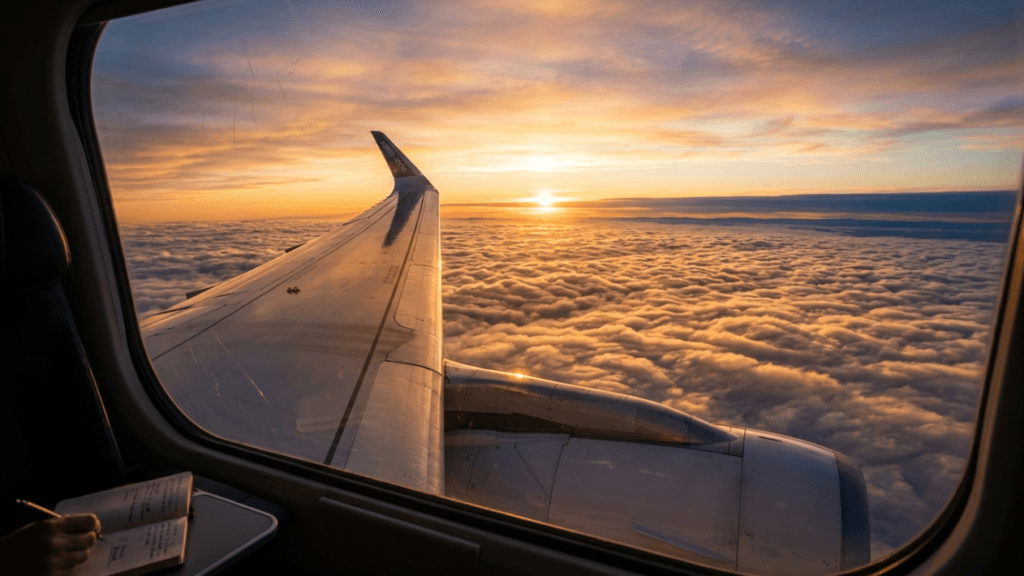
Your flight isnot just transportation. It is the first and last clinical variable in your facelift journey. Arrive too late, and you lose your pre-op window. Depart too early, and you risk barotrauma, deep vein thrombosis, or wound disruption from cabin pressure changes. Antalya flight coordination requires you to treat your airline ticket as a medical decision, not a travel bargain.
Arrival Timing: When to Land Before Surgery
Dr. Berat requires every international patient to arrive at least 48 hours before the scheduled surgery date. This margin accounts for potential flight delays, jet lag adjustment, and the mandatory pre-operative consultation at the clinic. Arriving 48 hours early gives your body time to stabilize blood pressure and hydration levels—both of which directly affect surgical outcomes and anesthesia metabolism.
Patients travelling from the United Kingdom can typically find direct or one-stop flights to Antalya (AYT) with reasonable schedules. Fatma monitors flight availability patterns and often advises patients on which departure days offer the most reliable connections, reducing the risk of last-minute cancellations that would disrupt the entire medical tourism logistics chain.
Departure Timing: When Post-Op Flight Safety Allows You to Board
This is where most independent planners make their critical error. They book a return flight seven days after surgery, assuming one week is enough. For a facelift, the minimum safe clearance for commercial air travel is 10 to 14 days post-operatively. Flying earlier introduces three specific medical risks that patients rarely consider.
First, cabin pressure changes cause expansion of trapped gases in surgically altered tissues, increasing swelling and potentially stressing fresh incisions. Second, prolonged immobility during flight raises deep vein thrombosis risk, which is already elevated after any surgery under general anesthesia. Third, the recirculated cabin air and low humidity dehydrate healing skin, slowing epithelial recovery at incision lines. Dr. Berat issues explicit flight clearance only after evaluating your healing progress in person.
Surgery Date Scheduling: The Anchor Point of Your Entire Trip
Every element of your facelift trip planning revolves around one fixed point: your surgery date. This date must be locked before you book flights, before you reserve a hotel, and before you request time off work. The surgery date is the anchor; everything else orbits around it.
How the WhatsApp Consultation Timeline Sets Your Date
The process begins with a WhatsApp consultation timeline that most patients complete within five to seven days. You send your photographs and medical history through a secure WhatsApp channel to Fatma, who coordinates the review with Dr. Berat. Within 24 to 48 hours, you receive a preliminary surgical assessment, a proposed date range, and a quotation.
Once you accept the quotation and pay the deposit, Fatma confirms your exact surgery date and provides your travel windows. Only at this stage should you proceed with flight and hotel bookings. This sequence—consultation, confirmation, then booking—is the single most important rule of medical tourism logistics, and violating it is the primary cause of scheduling chaos.
Seasonal Patterns: When Antalya Operates at Peak Capacity
Antalya experiences two distinct peak periods for medical tourism: spring (March through May) and autumn (September through November). During these windows, surgical slots fill three to four weeks in advance, and hotel availability tightens. Patients who want specific dates during peak seasons should initiate their WhatsApp consultation timeline at least six weeks before their desired surgery week.
Summer months bring extreme heat that complicates post-operative comfort during recovery, while winter offers quieter scheduling and lower accommodation rates but fewer direct flight options from certain European cities. Fatma advises each patient on the optimal window based on their home airport, budget, and tolerance for heat or crowd conditions.
The Dr. Berat Coordinator: Fatma’s Role in Seamless Logistics
Coordination isnot a luxury in medical tourism—it is a clinical safeguard. Fatma, Dr. Berat’s wife and dedicated patient coordinator, functions as the single point of contact for every logistical detail. Her role eliminates the fragmented communication that typically plagues international surgical trips, where patients juggle a surgeon, a travel agent, a hotel concierge, and an airline helpdesk simultaneously.
What the Coordinator Handles Versus What You Handle
Clear division of responsibility prevents tasks from falling through the cracks. Fatma manages the clinical schedule, hospital reservations, airport transfers, and post-operative nurse arrangements. You manage your own flight booking, passport validity, travel insurance, and personal packing. This division ensures that neither side duplicates effort or misses steps that the other assumed was covered.
Patients who attempt to coordinate every element independently often discover too late that a hospital requires a specific pre-operative blood panel not available through their general practitioner at short notice. Fatma arranges these tests locally in Antalya, timed precisely for the day before surgery, ensuring results are current and accepted by the anesthesiology team.
WhatsApp Communication: Speed Without Sacrificing Accuracy
International patients need rapid responses to time-sensitive questions. Email threads with 24-hour turnaround times create bottlenecks that delay decisions. Fatma’s WhatsApp-based communication model delivers responses within hours during business days, allowing patients in different time zones to resolve scheduling conflicts quickly. Every message exchange creates a timestamped record that serves as a reference throughout the process.
This immediacy matters most during the final 72 hours before departure, when last-minute questions about medication, fasting instructions, or transfer pickup times arise. Having a coordinator reachable by WhatsApp removes the anxiety of unanswered questions that can ruin your night before travel.

Recovery Hotel Stay: Not Any Hotel Will Do
Your recovery hotel stay occupies the largest block of time in your Antalya trip—typically nine to twelve nights. This isnot a standard hotel booking. You need specific conditions that support post-surgical healing, and most booking platforms cannot filter for these requirements.
Elevation, Proximity, and Quiet: The Non-Negotiable Criteria
Post-facelift patients must sleep with their head elevated at a 45-degree angle for the first seven to ten nights. A flat bed or a single thin pillow willnot suffice. Your hotel room needs multiple firm pillows, an adjustable headboard, or a reclining chair. Fatma maintains a curated list of Antalya hotels and recovery apartments that meet this criterion, and she bookson your behalf to guarantee the room type matches the clinical requirement.
Proximity to the clinic matters for follow-up appointments. You will have at least two post-operative visits during your stay—one around day three to remove drains or check incisions, and another around day seven to ten for suture removal and healing assessment. A hotel within fifteen minutes of the clinic eliminates stressful transportation during a period when you should minimize movement.
Private Nurse Option: When Recovery Demands Professional Support
For the first 48 to 72 hours after surgery, many patients benefit from a private nurse who stays at the hotel or recovery apartment. This nurse manages medication schedules, wound checks, and drainage monitoring while you rest. Dr. Berat’s clinic arranges this service directly through vetted nursing providers in Antalya, ensuring continuity of care from the hospital to your room.
Patients traveling alone find this especially valuable. The combination of a nearby recovery hotel and a private nurse creates a safety net that matches what you would experience recovering at home with family support—something most medical tourists fear they will lack abroad.
Hotel Booking Sequence: When to Reserve and What to Specify
Reserve your hotel only after the surgery date is confirmed. Specify your check-in date as the day you arrive (48 hours pre-op) and your checkout date as the day after your flight-clearance appointment (typically day 11 to 14 post-op). Fatma provides the exact dates based on your surgical slot. Request a room with elevational support, ground-floor or elevator access since stairs strain incision sites, and a quiet location away from nightlife corridors.
The Complete Facelift Trip Timeline: A Day-by-Day Coordination Table
Below is the definitive medical tourism logistics timeline. This table represents the cumulative scheduling data from hundreds of coordinated trips managed by Fatma. Every date, every appointment, and every checkpoint is mapped to eliminate ambiguity.
| Day | Activity | Responsible Party | Booking Status |
|---|---|---|---|
| Day -42 to -28 | WhatsApp consultation, photo submission, receive quotation | Patient + Fatma | Pending deposit |
| Day -21 | Deposit paid; surgery date locked | Patient | Confirmed |
| Day -21 to -14 | Book flights within approved arrival/departure windows | Patient | Pending booking |
| Day -21 to -14 | Hotel/apartment reserved with clinical specifications | Fatma | Confirmed |
| Day -2 (Arrival Day) | Land in Antalya; private airport transfer to hotel | Patient + Clinic driver | Confirmed |
| Day -1 | Pre-op consultation, blood work, physical exam at clinic | Dr. Berat | Confirmed |
| Day 0 (Surgery Day) | Facelift surgery; overnight hospital stay | Dr. Berat | Confirmed |
| Day +1 | Discharge from hospital; settle into recovery hotel | Patient + Fatma | Confirmed |
| Day +1 to +3 | Private nurse support (optional but recommended) | Clinic-arranged nurse | Optional |
| Day +3 | First post-op check: drain removal, incision assessment | Dr. Berat | Confirmed |
| Day +7 to +10 | Second post-op check: suture removal, healing review | Dr. Berat | Confirmed |
| Day +10 to +14 | Flight clearance appointment | Dr. Berat | Confirmed |
| Day +11 to +15 | Departure: private transfer to Antalya airport | Patient + Clinic driver | Confirmed |
This timeline avoids three common failure points: booking before clinical confirmation, arriving without a pre-op buffer, and departing before receiving explicit flight clearance. Each modification to this schedule requires Fatma’s review to prevent downstream conflicts.
Post-Op Flight Safety: The Medical Facts Behind the 14-Day Rule
Patients frequently ask why they cannot fly home sooner after a facelift. The answer isnot caution for its own sake. The 14-day minimum exists because three distinct physiological risks peak between days three and ten post-operatively, and flying during this window measurably increases complication rates.
Cabin Pressure and Tissue Swelling
Commercial aircraft cabins are pressurized to an equivalent altitude of approximately 6,000 to 8,000 feet. At this pressure, dissolved gases in your tissues expand by roughly 30 percent. For a recovering facelift patient, this expansion worsens post-operative edema significantly, stretching already-stressed incision lines and potentially causing wound dehiscence. The risk diminishes after day ten as swelling naturally subsides and lymphatic drainage pathways reestablish.
Deep Vein Thrombosis After General Anesthesia
Surgery under general anesthesia temporarily increases blood coagulability. This elevated clotting risk persists for seven to fourteen days post-operatively. Sitting immobile in a narrow airline seat for three or more hours compounds this risk dramatically. Compression garments, hydration, and in-flight leg movement help, but they do not eliminate the danger entirely. Dr. Berat provides a specific DVT prevention protocol for each patient, but he willnot authorize flight before day ten under standard circumstances.
Infection Risk from Recirculated Air
Aircraft cabin air recirculates approximately every two to three minutes. While HEPA filters capture most pathogens, the low humidity—typically below 20 percent—dries mucosal surfaces and healing skin, compromising the natural barrier against infection. Fresh incisions, especially around the ears and hairline, remain vulnerable during the first ten days. Exposing them to this environment unnecessarily increases the risk of bacterial colonization.
Combining Procedures: How Additional Surgeries Reshape Your Timeline
Many medical tourists choose to combine their facelift with complementary procedures to maximize the value of a single trip. While this is a sound strategy, adding procedures changes the logistics equation. Understanding how each combination affects your recovery hotel stay and flight clearance date prevents scheduling errors.
Facelift Combined With Neck Lift
Adding a neck lift to your facelift extends the surgery duration by approximately 90 minutes and increases initial swelling. However, because the recovery trajectory is similar, the minimum hotel stay and flight clearance timeline do not change significantly. Plan for the same 14-day window, but expect more visible swelling during the first week.
Facelift Combined With Eyelid Aesthetic
Adding eyelid surgery introduces periorbital swelling that peaks around day three and may temporarily affect vision. This combination does not extend the recovery hotel stay beyond the standard facelift timeline, but patients should anticipate difficulty reading or using screens during the first five days. Pack audiobooks or voice-memo notes as alternatives.
Facelift Combined With Rhinoplasty
Combining facial procedures with nasal surgery introduces breathing restrictions from packing or splints. Patients with a splinted nose must breathe through their mouth, which exacerbates throat dryness after intubation and complicates sleep quality during elevation-required recovery. This combination may extend the recovery hotel stay by two to three days, requiring adjustment to your return flight date.
What Goes Wrong: Case Studies in Failed Medical Tourism Logistics
Examining where coordination breaks down reveals the patterns you must avoid. The following cases—drawn from published medical tourism literature and anonymized patient reports—illustrate how small scheduling errors cascade into major disruptions.
Case One: The Non-Refundable Ticket Trap
A 54-year-old patient from London booked a non-refundable return flight for eight days after her proposed surgery date—before confirming the date with the clinic. When her pre-operative blood work revealed aminor clotting irregularity, Dr. Berat postponed the surgery by five days to allow for a follow-up panel. Her flight departed before her sutures were removed. She flew home without flight clearance, developed significant mid-flight swelling, and required emergency evaluation at her local hospital upon landing. The entire trip required a second journey to Antalya for follow-up care.
Case Two: The Hotel That Could Not Accommodate Recovery
A couple chose a seaside boutique hotel with narrow stair access and no elevator. The wife’s facelift healed without complication, but navigating stairs to their third-floor room caused repeated blood pressure spikes that worsened facial swelling. By day four, they requested a room change, but the hotel had no ground-floor availability. Fatma relocated them to a recovery apartment, but the mid-move disruption added stress and a night of poor sleep at a critical healing stage.
Case Three: The Missing Pre-Op Window
A patient from Germany booked a Monday arrival with a Wednesday surgery slot, expecting to complete pre-op consultation on Tuesday. What she didnot realize was that Turkish public holidays affected the clinic’s schedule, and the Tuesday consultation slot was unavailable. Her surgery moved to Thursday, compressing her recovery by one day and conflicting with her hotel checkout. A coordinator with knowledge of local calendar events would have flagged this before booking.
Step-by-Step Action Guide: Your Facelift Trip Planning Blueprint
Follow these seven steps in sequence. Each step depends on the completion of the previous one. Skipping ahead creates the scheduling failures documented in the case studies above.
Step 1: Initiate Your WhatsApp Consultation Timeline
Send your photographs and medical history to the clinic via WhatsApp at least six weeks before your desired surgery month. Include any prior surgeries, current medications, and known allergies. Fatma will respond within 48 hours with a preliminary assessment and a proposed surgery date range. This step costs nothing and commits you to nothing, but it initiates the clinical review that makes every subsequent step possible.
Step 2: Confirm Your Surgery Date and Pay the Deposit
Once you receive and accept your quotation, pay the required deposit to lock your surgical slot. Only after this payment does your surgery date become fixed. Fatma then provides your arrival window (48 hours before), your minimum stay window (10 to 14 days after), and any procedure-specific adjustments if you are combining your facelift with other work.
Step 3: Book Your Flights Within the Approved Windows
Search for flights that arrive 48 hours before surgery and depart no earlier than day 11 to 14 post-op. Choose flexible or refundable fares whenever possible. Send your flight itinerary to Fatma so she can arrange airport transfers and adjust the pre-op consultation time if your arrival shifts by a few hours.
Step 4: Confirm Your Recovery Hotel or Apartment
Fatma will suggest vetted hotels or recovery apartments that meet clinical requirements: elevation-compatible bedding, elevator access, proximity to the clinic, and quiet surroundings. Confirm your reservation with dates aligned to the surgery schedule. If you prefer self-catering for dietary control during recovery, specify this so Fatma sources apartment options rather than hotel rooms.
Step 5: Arrange for a Private Nurse If Traveling Alone
Inform Fatma whether you need a private nurse for the first 48 to 72 hours post-discharge. This service requires advance notice to secure availability. If a companion is traveling with you, confirm they understand the post-op care instructions including medication timing, drainage monitoring, and emergency contact procedures.
Step 6: Attend Your Pre-Op Consultation 24 Hours Before Surgery
Arrive at the clinic the day before surgery for your consultation, physical examination, blood work, and a final meeting with Dr. Berat. Bring your passport, medical records, and a list of all supplements and medications you currently take. This is also when you receive fasting instructions and the exact hospital arrival time for the following morning.
Step 7: Attend Your Flight Clearance Appointment Before Departure
Never assume you are cleared to fly. Attend the final post-operative appointment at the clinic, where Dr. Berat personally evaluates your healing and issues written flight clearance. If anything delays your clearance—persistent swelling, minor wound concerns, or incomplete suture removal—Fatma will help you adjust your hotel and flight accordingly. If cleared, you receive departure documentation and transfer arrangements to the airport.
What to Pack for a Coordinated Facelift Recovery Trip
Packing for a surgical recovery trip differs fundamentally from a holiday packing list. Every item must serve a recovery function or prevent a logistics complication. Antalya’s climate, the post-operative restrictions, and the specific timing of your itinerary all determine what belongs in your suitcase.
Clothing That Accommodates Swelling and Incisions
Bring button-front or zip-front tops. Pulling garments over your head stresses facial incisions during the first ten days. Pack loose-fitting pants with elastic waists since abdominal bloating from anesthesia and reduced activity is common. Choose slip-on shoes because bending to tie laces raises intracranial pressure and worsens facial swelling. Pack for temperatures that may fluctuate—Antalya’s Mediterranean climate shifts between warm days and cool evenings even in shoulder seasons.
Medical Essentials and Documentation
Carry your medical records, quotation, and deposit receipt digitally and in print. Bring a full supply of any regular prescription medications—Turkish pharmacies may not stock the exact brands you use. Pack a digital thermometer, a water bottle with measurement markings for tracking hydration, and mild stool softeners since post-op constipation is universal after anesthesia and reduced mobility.
Do not bring blood-thinning supplements, vitamins E or C in high doses, or herbal remedies. These interfere with clotting and are prohibited for two weeks pre- and post-operatively.
Regulatory Compliance: Health Tourism Authorization Matters
International patients often overlook a critical legal requirement: your chosen facility must hold a valid Health Tourism Authorization Certificate. This certification, issued by the Turkish Ministry of Health, confirms that the clinic meets specific standards for treating foreign patients—standards that cover facility safety, informed consent in the patient’s language, and transparent pricing. Dr. Berat’s clinic holds this authorization, which means your coordination process operates within a regulated framework that protects your rights as a medical tourist.
Without this certification, you have no regulatory recourse if scheduling disputes, billing discrepancies, or care standards fall below expectations. Verifying your clinic’s authorization status before initiating any facelift trip planning is a step that costs thirty seconds but prevents potentially irrecoverable losses.
Insurance Considerations for the Coordinated Traveler
Standard travel insurance policies exclude coverage for planned medical procedures. You need a specialized medical tourism insurance policy that covers surgical complications, extended hospital stays, and repatriation if required. Purchase this policy after confirming your surgery date but before booking flights. Fatma can recommend insurers who underwrite policies for patients travelling to Turkey for aesthetic surgery, ensuring your coverage aligns with your specific procedure and recovery timeline.
Keep copies of your insurance certificate alongside your medical documentation. In the unlikely event of a complication requiring extended stay or emergency care, having immediate access to your policy details accelerates authorization and reduces your out-of-pocket exposure during an already stressful situation.
Common Misconceptions About Facelift Trip Planning
Misinformation about medical tourism logistics spreads rapidly through social media groups and patient forums. Addressing the most dangerous myths prevents costly mistakes.
Myth: You Can Fly Home Five Days After a Facelift
This claim appears regularly in patient forums, often from individuals who flew early without complications and assume the risk was zero. Survivorship bias skews this data dramatically. The patients who developed post-flight hematomas, severe edema, or wound infections after early departures do not post celebratory updates. The clinical evidence is unambiguous: ten days represents the absolute minimum, and 14 days is the recommended standard for commercial flight after facelift surgery.
Myth: Booking a Cheap Flight Matters More Than Timing
A bargain flight that departs too early costs far more than a flexible ticket at the right time. Rebooking fees, emergency medical consultations abroad, and potentially a second trip to Turkey for revision work dwarf any savings from an early-bird airline promotion. Treat your flight as a medical decision first and a financial decision second.
Myth: Any Hotel Near the Beach Works for Recovery
Beach proximity is irrelevant to your surgical outcome. Clean air, quiet corridors, elevational bed setup, and elevator access matter directly. A resort with a beautiful sea view but narrow stair access, hard flat pillows, and a nightclub next door actively hinders your recovery. Prioritize clinical specifications over holiday aesthetics for the recovery hotel stay portion of your trip.
Extending Your Stay: When Recovery Demands More Time
Even with meticulous planning, some patients require extended recovery time. Slower-than-expected healing, minor wound concerns, or simply a more cautious approach to flight clearance may add two to four days to your original timeline. Building flexibility into your schedule from the outset prevents panic when extensions become necessary.
How to Build Schedule Flexibility From Day One
When requesting time off work, add five buffer days beyond your expected return date. When booking flights, select fares that allow date changes without excessive penalties. When confirming your hotel, verify that extending your stay by a few days is possible at the same rate during your travel season. Fatma typically advises patients to plan for a 16-day trip even when the expected stay is 14 days, creating a low-stress margin that accommodates the unexpected.
Patients who build this buffer report lower anxiety, better sleep, and smoother recovery than those who operate at the absolute minimum timeline. The psychological benefit of knowing you have spare days translates into physiological benefits through reduced cortisol levels and improved healing rates.
Start Your Coordination Today
Every day you delay initiating your facelift trip planning narrows your options. Surgical slots fill. Hotel rates rise. Flight availability tightens. The patients who enjoy the smoothest coordination are those who begin the WhatsApp consultation timeline early, lock their surgery date, and build their travel around a clinically confirmed anchor point.
Dr. Berat and Fatma have coordinated hundreds of international facelift journeys. Their system—a single point of contact, a WhatsApp-based workflow, and a written timeline that balances clinical requirements with travel logistics—exists specifically to eliminate the coordination failures documented throughout this guide. Take the first step now. Send your photographs and medical history via WhatsApp to +90 531 818 20 81, and within 48 hours, your personal logistics blueprint begins to take shape.
How far in advance should I schedule my facelift in Antalya?
Initiate your WhatsApp consultation at least six weeks before your desired surgery month. During peak seasons (spring and autumn), surgical slots fill three to four weeks ahead. Starting early locks your date before hotel and flight availability tightens.
Why must I arrive 48 hours before surgery?
The 48-hour window accommodates mandatory pre-operative consultation, blood work, and physical examination. It also buffers against flight delays and allows blood pressure and hydration levels to stabilize after travel, which directly affects surgical outcomes and anesthesia metabolism.
How soon after a facelift can I safely fly home?
The minimum recommended time before commercial air travel is 10 to 14 days post-operatively. Cabin pressure increases tissue swelling, immobility raises deep vein thrombosis risk, and dry recirculated air slows incision healing. Dr. Berat issues explicit flight clearance only after in-person evaluation.
What type of hotel should I book for facelift recovery in Antalya?
Choose a hotel or recovery apartment with firm pillows or adjustable headboards for 45-degree elevation, elevator access, quiet surroundings, and proximity within 15 minutes of the clinic. Fatma provides a vetted list of properties that meet these clinical criteria.
Do I need a private nurse after my facelift?
A private nurse is strongly recommended for the first 48 to 72 hours, especially if you travel alone. The nurse manages medication schedules, monitors drainage, and checks wounds while you rest. Dr. Berat’s clinic arranges vetted nursing providers directly.
How does Fatma coordinate my entire facelift trip?
Fatma serves as your single point of contact. She confirms your surgery date, arranges pre-op consultation timing, coordinates hospital and nurse bookings, manages airport transfers, and vets your recovery hotel. All communication flows through WhatsApp for speed and timestamped accountability.
Can I combine my facelift with other procedures in one trip?
Yes. Combining a facelift with a neck lift or eyelid surgery is common and does not significantly extend your minimum recovery timeline. Adding rhinoplasty may add two to three days. Fatma adjusts your hotel and flight windows based on the specific procedure combination.
What insurance do I need for medical tourism in Turkey?
Standard travel insurance excludes planned medical procedures. You need a specialized medical tourism insurance policy covering surgical complications, extended hospital stays, and repatriation. Purchase this after confirming your surgery date but before booking flights. Fatma can recommend suitable insurers.