

In 2026, the field of facial rejuvenation has evolved to prioritize not only natural-looking results but also culturally sensitive and anatomically tailored techniques. Facelift surgery is no longer a one-size-fits-all procedure. Instead, it is a highly individualized art that respects and enhances the unique facial structures and aging patterns of diverse ethnicities. This guide explores the latest evidence-based techniques, anatomical considerations, and cultural nuances that define modern facelift surgery for patients with ethnic variations.

Table of Contents
The Science of Ethnic Facial Aging: Why One Technique Does Not Fit All
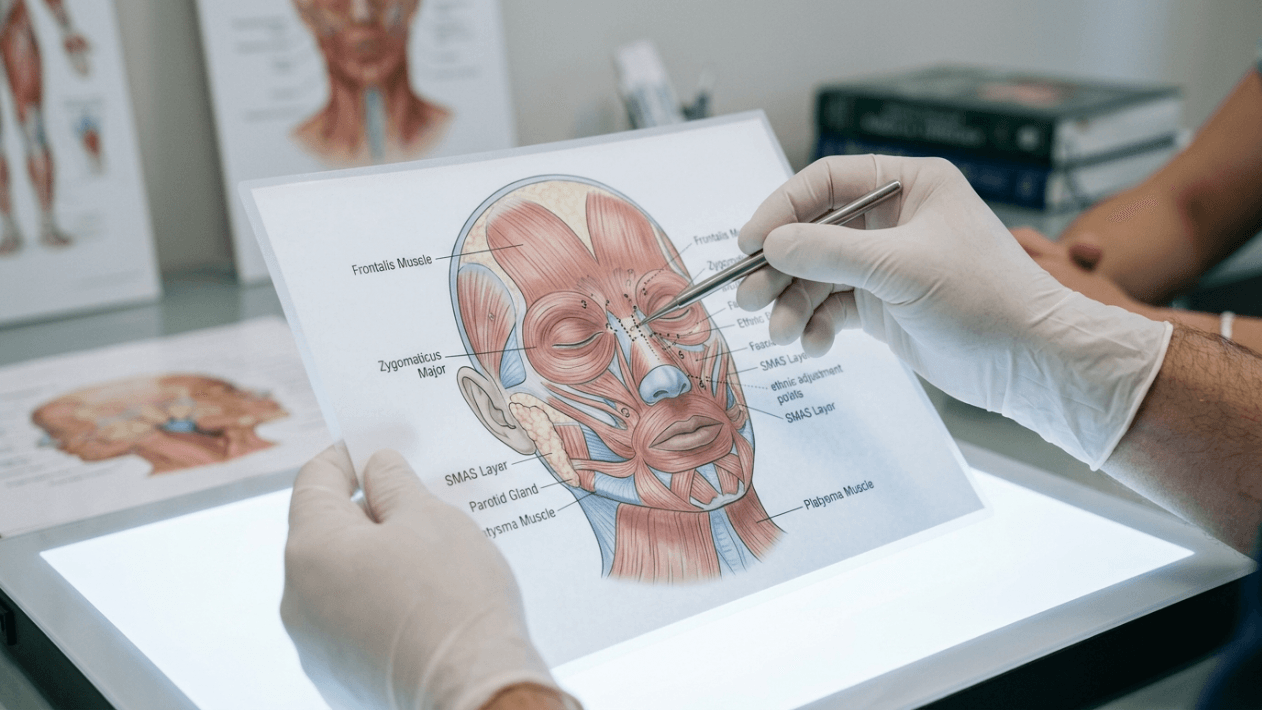
Facial aging is a complex, multifactorial process influenced by genetics, environmental exposure, lifestyle, and—critically—ethnic background. Research from PubMed and MDPI confirms that aging patterns vary significantly across ethnic groups due to differences in skin thickness, elasticity, fat distribution, bone structure, and ligamentous support. These variations demand a nuanced approach to facelift techniques, ensuring that outcomes are both natural and culturally respectful.
Key Ethnic Variations in Facial Aging
1. Malar Fat Pad Resorption and Descent: The malar fat pad, a key structure in midface fullness, undergoes resorption and descent at different rates and patterns across ethnicities. In individuals of Asian descent, for example, the malar fat pad tends to descend more vertically, contributing to a flatter midface and early nasolabial fold formation. In contrast, individuals of African or Middle Eastern descent often retain more malar volume but may experience more pronounced jowling due to ligamentous laxity and thicker skin [3].
2. Skin Elasticity and Thickness: Skin elasticity and thickness are among the most ethnically variable features. East Asian and Caucasian skin tends to be thinner and more prone to fine wrinkling, while skin of African, Hispanic, and Middle Eastern descent is often thicker, more resilient, and less prone to early wrinkling but more susceptible to deep folds and sagging [4].
3. Bone Structure and Resorption: Facial bone structure provides the foundational framework for soft tissue support. Studies from PubMed show that individuals of African descent often have stronger, more robust facial bones with less age-related resorption, while East Asians may experience earlier and more pronounced bone loss in the midface and mandible. These differences influence the choice of surgical techniques, such as the need for volume restoration or structural augmentation in certain ethnic groups.
4. Ligamentous Laxity: The retaining ligaments of the face, which anchor the skin to the underlying bone, weaken at different rates. In individuals of South Asian and Middle Eastern descent, ligamentous laxity can lead to earlier and more pronounced jowling and neck sagging, necessitating techniques that address both skin and deeper structural support [6].
Tailored Facelift Techniques for Ethnic Variations
Modern facelift techniques are designed to address the unique anatomical and cultural needs of each patient. The following approaches are among the most effective and culturally sensitive in 2026:
1. High SMAS (Superficial Musculoaponeurotic System) Lift
The High SMAS lift is a cornerstone of modern facelift surgery, particularly for patients with moderate to severe facial sagging. This technique involves elevating and repositioning the SMAS layer, which provides durable, natural-looking results by addressing the deeper structures of the face. For patients of African and Middle Eastern descent, the High SMAS lift is often preferred due to its ability to manage thicker skin and more pronounced ligamentous laxity. In East Asian patients, the technique is modified to preserve malar volume and avoid over-pulling, which can create an unnatural or “operated” appearance [7].
2. Deep Plane Facelift
The deep plane facelift is ideal for patients requiring comprehensive rejuvenation, particularly those with significant midface descent or pronounced nasolabial folds. This technique involves lifting the SMAS and muscle layers as a single unit, providing a smoother transition between the jawline and neck. It is especially effective for individuals of South Asian and Hispanic descent, who often exhibit early midface descent due to weaker skeletal support. The deep plane lift allows for precise adjustments to the midface, ensuring that the lift is both functional and aesthetically pleasing [8].
3. Extended SMAS Lift with Volume Preservation
For patients of East Asian and Southeast Asian descent, preserving malar volume is critical to maintaining a youthful, harmonious appearance. The extended SMAS lift with volume preservation focuses on repositioning the malar fat pad and SMAS layer while avoiding over-resection of fat. This technique ensures that the midface retains its natural fullness, preventing the hollowed or overly sculpted look that can result from traditional facelift methods. Fat grafting or hyaluronic acid fillers are often used in conjunction with this technique to restore volume and enhance facial contours [9].
4. Minimal Access Cranial Suspension (MACS) Lift
The MACS lift is a minimally invasive technique that uses purse-string sutures to lift the SMAS and platysma, making it ideal for patients with early signs of aging or those seeking a quicker recovery. This approach is particularly popular among younger patients of all ethnicities, as it provides subtle yet effective rejuvenation with minimal scarring. The MACS lift is often combined with non-surgical treatments, such as thread lifts or laser resurfacing, to enhance results and extend their longevity [10].
5. Composite Facelift
The composite facelift is a comprehensive technique that addresses the deep structural layers of the face, including the SMAS, orbicularis oculi, and malar fat pad. This approach is particularly effective for patients of African descent, who often require robust structural support to achieve natural-looking results. The composite facelift ensures that the entire facial structure is lifted and repositioned as a single unit, avoiding the piecemeal appearance that can occur with less comprehensive techniques [11].
Cultural Sensitivity in Facelift Surgery: Beyond Technique
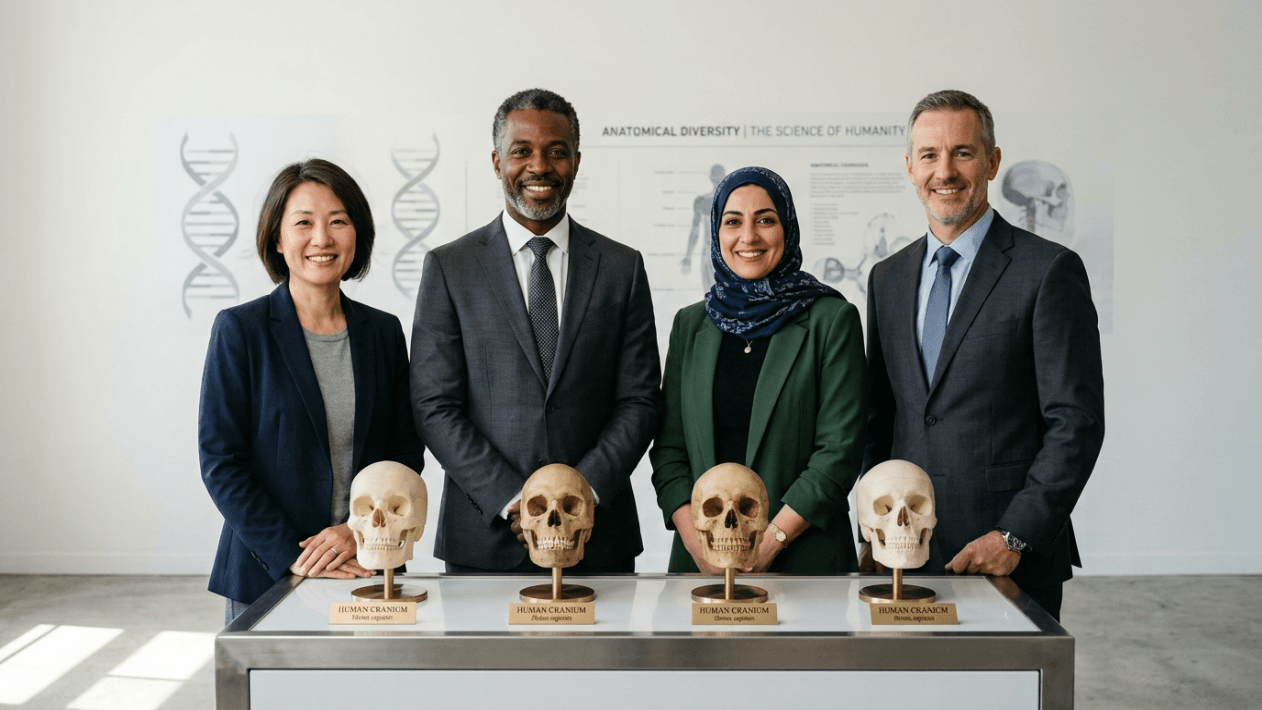
Cultural sensitivity in facelift surgery extends beyond anatomical considerations. It encompasses an understanding of beauty ideals, aesthetic preferences, and the psychological impact of facial rejuvenation. For example:
- East Asian Patients: Often seek to preserve a softer, more natural appearance, avoiding the overly sculpted or “Westernized” look. Techniques that enhance malar fullness and maintain facial harmony are preferred.
- Middle Eastern and South Asian Patients: May prioritize addressing early jowling and neck sagging while preserving facial volume and avoiding an overly tight appearance.
- African and African-American Patients: Often seek to enhance facial contours while preserving ethnic identity. Techniques that address thicker skin and robust bone structure are essential to avoid an unnatural or “pulled” look.
- Caucasian Patients: While often seeking more dramatic rejuvenation, there is a growing trend toward natural-looking results that avoid the stigmata of overdone surgery.
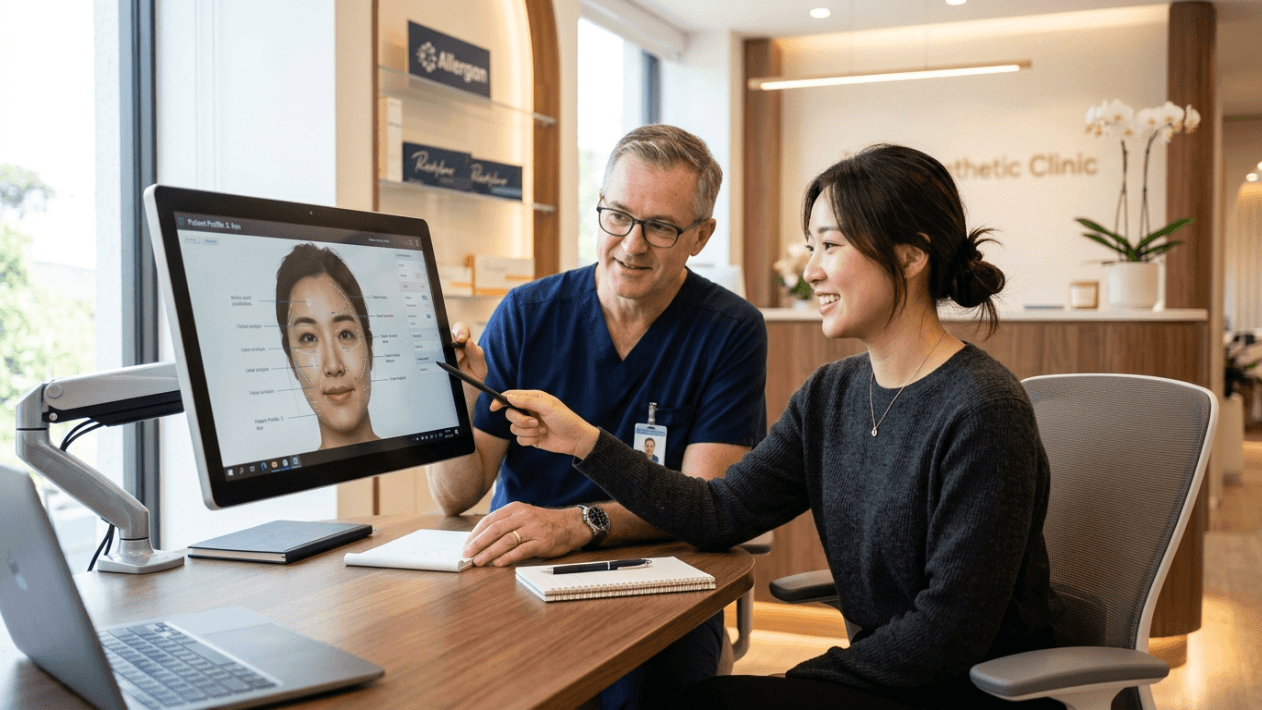
Open communication between the surgeon and patient is critical to understanding these cultural and personal preferences. Preoperative consultations should include a thorough discussion of the patient’s goals, as well as the use of digital imaging tools to visualize potential outcomes. This collaborative approach ensures that the final result aligns with the patient’s vision of beauty and cultural identity [12].
Case Studies: Facelift Outcomes Across Ethnicities
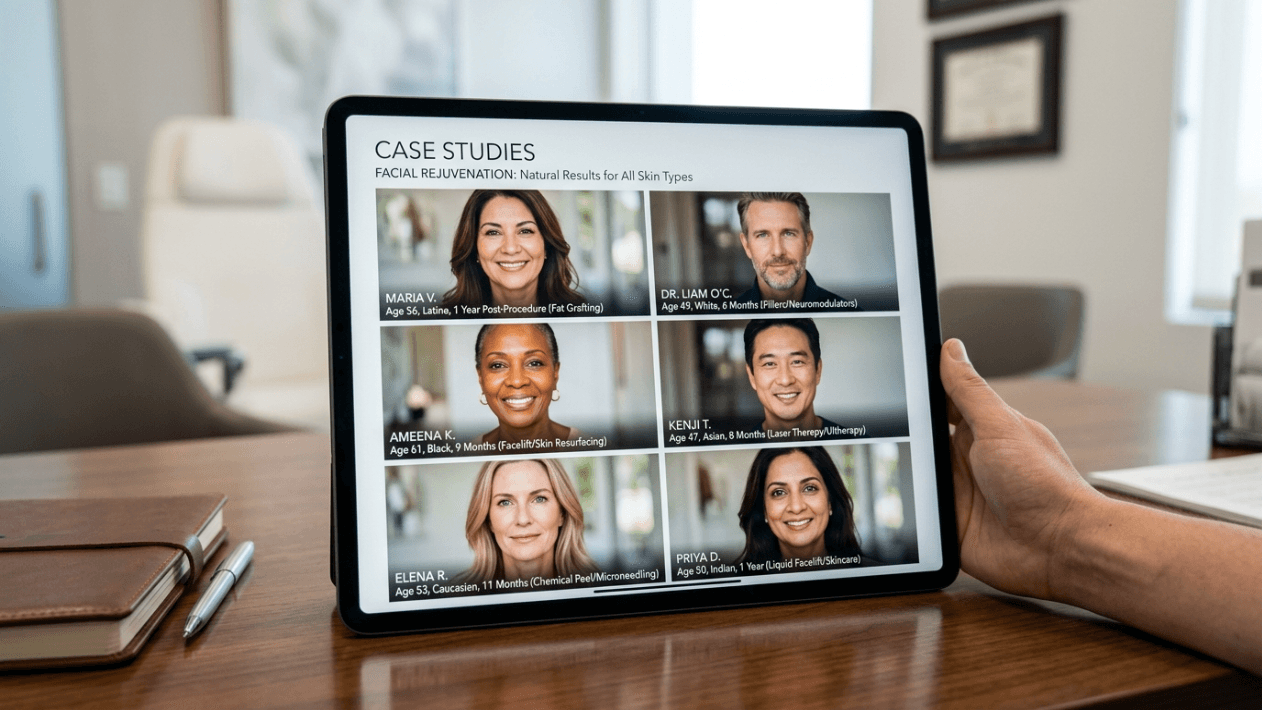
To illustrate the importance of tailored techniques, consider the following case studies:
Case Study 1: East Asian Patient
A 52-year-old woman of Korean descent presented with early midface descent and loss of malar fullness. She sought a natural-looking lift that would preserve her ethnic identity. An extended SMAS lift with volume preservation was performed, combined with fat grafting to restore malar fullness. The result was a refreshed, youthful appearance that maintained her cultural aesthetic, avoiding the overly sculpted look that can occur with traditional techniques.
Case Study 2: African-American Patient
A 58-year-old man of African descent presented with pronounced jowling and neck sagging. He desired a robust lift that would address his thicker skin and ligamentous laxity. A composite facelift was performed, lifting the SMAS, orbicularis oculi, and malar fat pad as a single unit. The result was a harmonious, natural-looking rejuvenation that preserved his ethnic features and avoided the “pulled” appearance often associated with less comprehensive techniques.
Case Study 3: Middle Eastern Patient
A 47-year-old woman of Lebanese descent presented with early jowling and loss of jawline definition. She sought a subtle yet effective lift that would address her concerns without altering her ethnic appearance. A MACS lift was performed, using purse-string sutures to lift the SMAS and platysma. The result was a natural, refreshed appearance with minimal scarring and downtime.
Ideal Candidates for Ethnic-Tailored Facelifts
While facelift surgery can benefit patients of all ethnicities, ideal candidates share the following characteristics:
- Age: Typically between 40 and 70, though early intervention may be appropriate for patients with premature signs of aging.
- Skin Quality: Patients with good skin elasticity and minimal sun damage tend to achieve the best results.
- Facial Structure: Patients with moderate to severe sagging, jowling, or midface descent are excellent candidates for SMAS-based techniques.
- Health Status: Non-smokers and individuals without uncontrolled medical conditions are ideal candidates, as they tend to heal more quickly and experience fewer complications.
- Realistic Expectations: Patients who understand the limitations of surgery and have clear, achievable goals are more likely to be satisfied with their results.
During the preoperative consultation, the surgeon should assess the patient’s facial structure, skin quality, and aesthetic goals. Digital imaging tools can help patients visualize potential outcomes, ensuring that their expectations align with what the surgery can realistically achieve.
Recovery and Expectations: What to Anticipate
Recovery from a facelift varies depending on the technique used and the patient’s individual healing process. However, most patients can expect the following timeline:
First 48 Hours
Swelling and bruising are most pronounced during the first 48 hours. Patients are advised to keep their head elevated, apply cold compresses, and avoid strenuous activities. Pain is typically mild and can be managed with prescribed medications.
First Two Weeks
Most swelling and bruising subside within the first two weeks. Patients can gradually resume light activities but should avoid heavy lifting, bending, or vigorous exercise. Sutures are usually removed within 7–10 days.
One Month
By one month, most patients feel comfortable returning to their normal routines. Residual swelling may persist, particularly in the midface and neck, but it is typically subtle and continues to improve over time.
Three to Six Months
The final results of a facelift become fully apparent after three to six months, once the tissues have settled into their new position. Patients can expect their results to last 7–10 years, depending on the technique used and their skin quality. Maintaining a healthy lifestyle, including a balanced diet, regular exercise, and sun protection, can extend the longevity of the results.
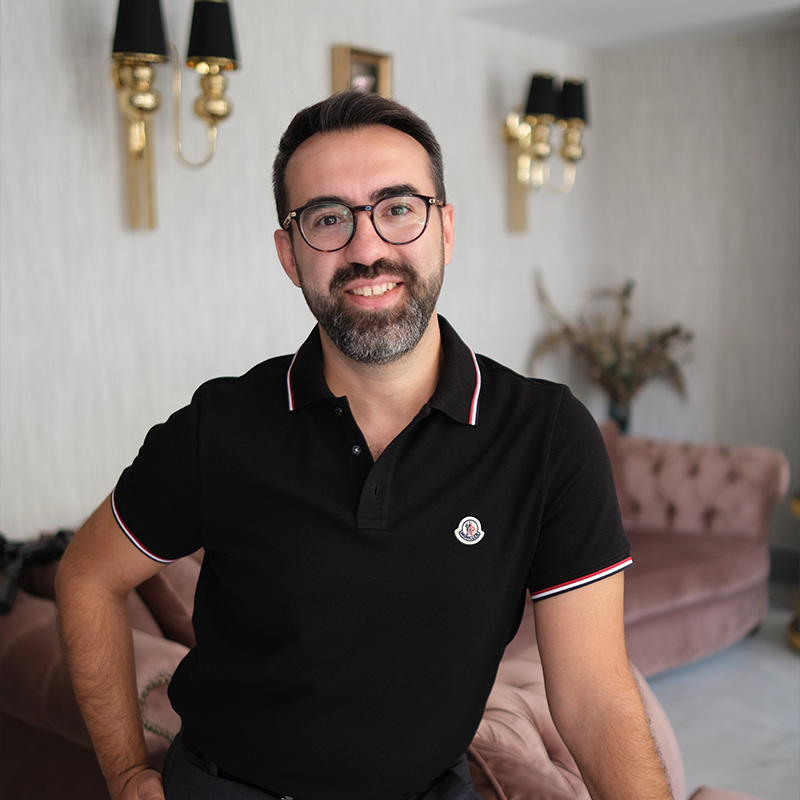
Why Choose Dr. Berat Çiğdem for Ethnic-Tailored Facelifts?
Dr. Berat Çiğdem is a board-certified plastic, reconstructive, and aesthetic surgeon with a deep commitment to culturally sensitive and natural-looking results. His expertise in addressing ethnic variations in facelift surgery is backed by years of specialized training and a passion for enhancing each patient’s unique beauty. Here’s why patients choose Dr. Çiğdem:
- Specialized Training: Dr. Çiğdem has undergone extensive training in facial rejuvenation techniques, with a focus on ethnic variations and culturally sensitive approaches.
- Board Certification: As a board-certified surgeon, Dr. Çiğdem adheres to the highest standards of safety, ethics, and surgical excellence.
- Affiliations: Dr. Çiğdem is affiliated with prestigious organizations such as the International Society of Aesthetic Plastic Surgery (ISAPS) and the Turkish Plastic Reconstructive and Aesthetic Surgery Association, ensuring that he stays at the forefront of the latest advancements in the field.
- Personalized Approach: Dr. Çiğdem takes the time to understand each patient’s unique goals, cultural background, and aesthetic preferences, ensuring that every procedure is tailored to the individual.
- Natural Results: Dr. Çiğdem’s philosophy centers on achieving natural, harmonious results that enhance the patient’s ethnic identity and avoid the stigmata of overdone surgery.
- Patient Testimonials: Dr. Çiğdem’s patients consistently praise his skill, professionalism, and ability to deliver results that exceed their expectations. His before-and-after gallery showcases the transformative power of his work across diverse ethnicities.
The Lasting Impact of a Culturally Sensitive Facelift
A facelift is more than a cosmetic procedure—it is a transformative experience that enhances both appearance and self-confidence. For patients with ethnic variations, a culturally sensitive facelift can preserve and celebrate their unique identity while addressing the signs of aging. The psychological benefits of a natural, harmonious result extend far beyond the physical, empowering patients to feel more confident, youthful, and self-assured in their daily lives.
Natural Rejuvenation: The Ultimate Goal
The hallmark of a successful facelift is its ability to deliver natural-looking results. Patients should appear refreshed and rejuvenated, not altered or artificial. Achieving this requires a surgeon’s artistic skill, a deep understanding of ethnic variations, and a commitment to preserving the patient’s unique features. The best outcomes are those that enhance the patient’s natural beauty, leaving them looking like the best version of themselves.
Confidence and Well-Being: The Inner Transformation
The psychological impact of a facelift is profound. Patients often experience a renewed sense of self-confidence, which can positively influence their personal and professional lives. A youthful, refreshed appearance opens doors to new experiences, relationships, and opportunities, empowering patients to embrace life with enthusiasm and optimism. Ultimately, the value of a facelift lies in its ability to harmonize the outer appearance with the inner self, enriching the patient’s quality of life.
What are the key ethnic differences in facial aging patterns?
Key ethnic differences in facial aging include variations in malar fat pad resorption, skin elasticity, bone structure, and ligamentous laxity. For example, East Asian patients often experience vertical descent of the malar fat pad, while African and Middle Eastern patients may retain malar volume but develop more pronounced jowling. Skin thickness and elasticity also vary, with thinner skin in East Asians and Caucasians and thicker skin in individuals of African and Middle Eastern descent.
How do facelift techniques differ for patients of various ethnicities?
Facelift techniques are tailored to address the unique anatomical and cultural needs of each ethnicity. For example, the High SMAS lift is often used for African and Middle Eastern patients to manage thicker skin and ligamentous laxity, while the extended SMAS lift with volume preservation is preferred for East Asian patients to maintain malar fullness. The deep plane facelift is ideal for South Asian and Hispanic patients with midface descent, and the MACS lift is popular for younger patients seeking subtle rejuvenation.
What is the recovery timeline for a facelift?
Most patients experience pronounced swelling and bruising in the first 48 hours, which gradually subsides over the first two weeks. Sutures are typically removed within 7–10 days, and patients can resume light activities shortly thereafter. Residual swelling may persist for up to six months, with final results becoming fully apparent after this period.
How long do the results of a facelift last?
The results of a facelift typically last 7–10 years, depending on the technique used and the patient’s skin quality. Maintaining a healthy lifestyle, including a balanced diet, regular exercise, and sun protection, can extend the longevity of the results.
Who is an ideal candidate for a facelift?
Ideal candidates for a facelift are typically between the ages of 40 and 70, with good skin elasticity and realistic expectations. Patients with moderate to severe sagging, jowling, or midface descent are excellent candidates. Non-smokers and individuals without uncontrolled medical conditions tend to heal more quickly and experience fewer complications.
How does cultural sensitivity influence facelift outcomes?
Cultural sensitivity ensures that facelift techniques respect and enhance the patient’s ethnic identity. For example, East Asian patients often prefer techniques that preserve malar fullness and avoid an overly sculpted look, while African and Middle Eastern patients may seek robust structural support to avoid an unnatural appearance. Open communication between the surgeon and patient is critical to achieving results that align with the patient’s cultural and personal preferences.