
The quest for facial harmony and rejuvenation in patients with a history of orthognathic surgery presents unique challenges. Unlike conventional facelift candidates, these patients often exhibit altered bone structure, scar tissue, and soft tissue dynamics that demand a tailored, interdisciplinary approach. This guide explores the anatomical considerations, surgical challenges, and advanced rejuvenation strategies for achieving natural, harmonious results in post-orthognathic facelift patients.
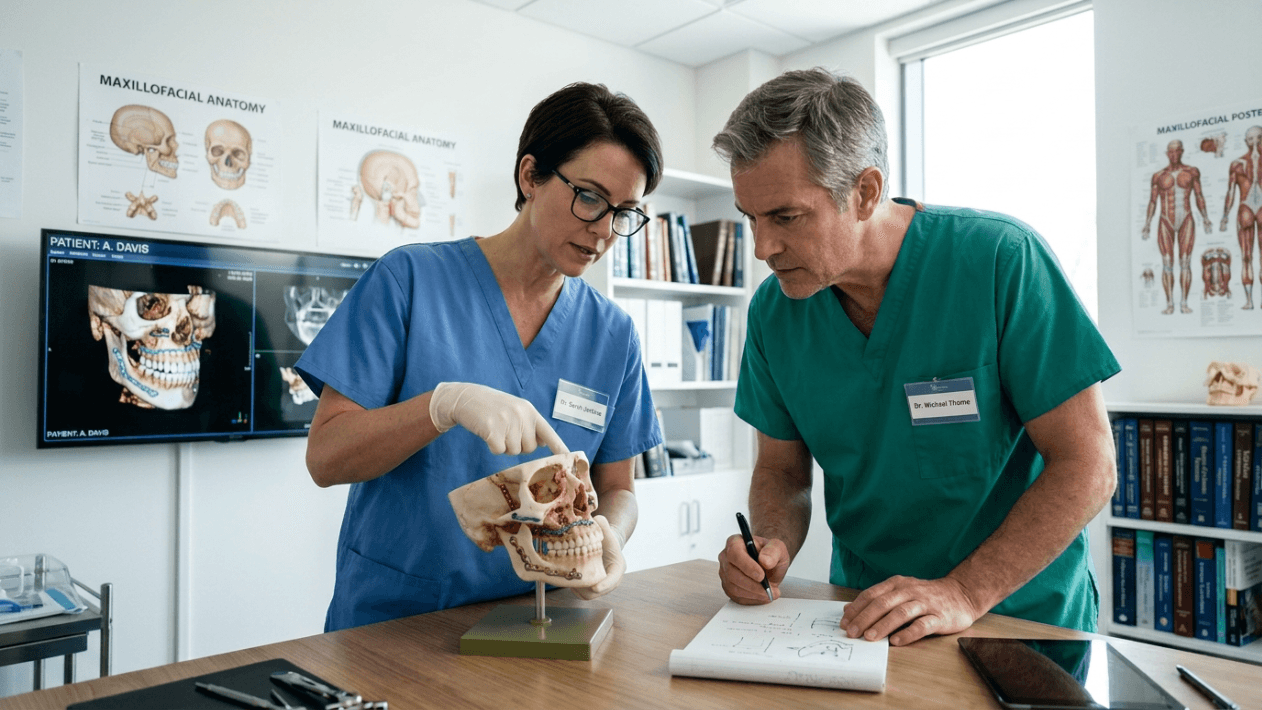
Table of Contents
Altered Anatomy After Orthognathic Surgery: What Changes?
Orthognathic surgery fundamentally reshapes the facial skeleton, particularly the maxilla, mandible, and midface. These structural changes have cascading effects on soft tissue positioning, muscle dynamics, and skin elasticity. Key alterations include:
- Bone Structure: Repositioned jaws and midface bones create new skeletal support, which can either enhance or complicate facelift procedures. For example, a previously advanced mandible may limit skin undermining in the lower face.
- Soft Tissue Dynamics: The relationship between the skin, subcutaneous fat, and deeper fascial layers is permanently altered. Scar tissue from previous incisions can restrict tissue mobility and increase the risk of nerve injury.
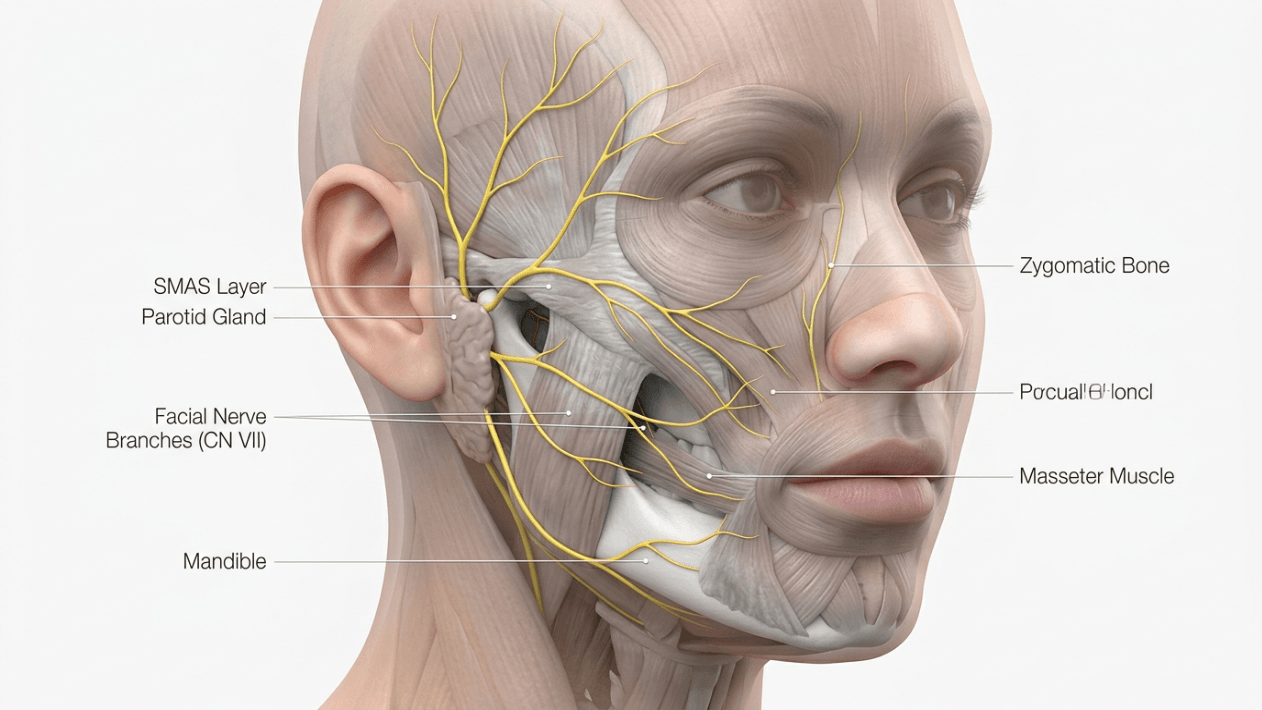
- Muscle and Ligament Changes: The superficial musculoaponeurotic system (SMAS) and retaining ligaments may be repositioned or weakened, affecting the lift’s durability and natural appearance.
- Nerve Pathways: Previous surgery can alter the course of sensory and motor nerves, particularly the facial nerve branches, increasing the risk of neuropraxia or permanent injury during facelift dissection.
These changes necessitate a thorough preoperative assessment, including 3D imaging and interdisciplinary consultation with the patient’s orthognathic surgeon to understand the extent of skeletal and soft tissue alterations.
Scientific Insight: Soft Tissue Response and Stability
A 2024 study published in MDPI highlighted the unpredictability of soft tissue response following orthognathic surgery, noting that while skeletal changes are precise, the overlying soft tissue may not adapt uniformly. This variability underscores the importance of individualized surgical planning for facelifts in this population. Additionally, research from Europe PMC (2025) demonstrated that patients with previous orthognathic surgery often exhibit reduced skin elasticity and altered fat distribution, which can affect facelift longevity and aesthetic outcomes.
Surgical Challenges in Post-Orthognathic Facelifts
Performing a facelift on a patient with previous orthognathic surgery requires addressing several unique challenges:
1. Scar Tissue and Tissue Mobility
Scar tissue from orthognathic surgery can limit tissue mobility and increase the risk of complications. Surgeons must carefully dissect through scarred planes, often requiring a more superficial or sub-SMAS approach to avoid nerve injury. Extended facelift techniques, which release retaining ligaments, may be necessary to achieve optimal tissue repositioning.
2. Nerve Vulnerability
The facial nerve branches, particularly the marginal mandibular and buccal branches, are at heightened risk due to altered anatomy. A 2025 study in the International Journal of Oral and Maxillofacial Surgery emphasized the importance of intraoperative nerve monitoring and meticulous dissection to preserve nerve function. Surgeons should prioritize techniques that minimize nerve manipulation, such as limited undermining or targeted SMAS plication.
3. Vascular Compromise
Previous orthognathic surgery can disrupt blood supply to the facial skin and soft tissues. The facial artery and its branches may have been ligated or repositioned, increasing the risk of skin flap necrosis. To mitigate this, surgeons should preserve as much vascular supply as possible, avoid excessive tension on flaps, and consider staged procedures for high-risk patients.
4. Asymmetry and Aesthetic Balance
Patients with a history of orthognathic surgery often present with pre-existing facial asymmetry. A facelift must address both the aging process and any residual skeletal or soft tissue imbalances. This may require adjunctive procedures such as fat grafting, chin augmentation, or even revision orthognathic surgery to achieve harmonious results.

Harmonious Rejuvenation Strategies: An Interdisciplinary Approach
Achieving optimal outcomes in post-orthognathic facelift patients requires a collaborative, interdisciplinary approach. Dr. Berat Çiğdem emphasizes the importance of joint case conferences with oral-maxillofacial surgeons to align surgical goals and anticipate potential complications. Below are key strategies for harmonious rejuvenation:
1. Preoperative Planning and Imaging
Advanced imaging techniques, such as 3D CT scans and digital simulations, are essential for visualizing skeletal and soft tissue relationships. These tools allow surgeons to anticipate challenges, plan incision placement, and simulate postoperative outcomes. A 2026 study in Plastic and Reconstructive Surgery highlighted the role of virtual surgical planning in reducing complications and improving aesthetic precision in post-orthognathic facelifts.
2. Customized Facelift Techniques
No single facelift technique is universally applicable to post-orthognathic patients. The choice of technique depends on the patient’s unique anatomy, previous surgical history, and aesthetic goals. Common approaches include:
- Extended SMAS Lift: Ideal for patients with significant midface descent and altered ligamentous support. This technique allows for comprehensive tissue repositioning while minimizing tension on scarred areas.
- Deep Plane Lift: Suitable for patients requiring extensive midface and lower face rejuvenation. The deep plane technique provides robust support for the malar fat pad and nasolabial folds, which are often affected by previous orthognathic surgery.
- Composite Facelift: Combines skin and SMAS dissection in a single flap, preserving vascular supply and reducing the risk of flap necrosis. This technique is particularly useful for patients with compromised blood supply.
- Minimally Invasive Options: For patients with mild aging changes, techniques such as thread lifts or limited-incision facelifts may be appropriate. These procedures offer quicker recovery and lower risk but may not address significant tissue laxity.
3. Adjunctive Procedures for Comprehensive Rejuvenation
Facelifts in post-orthognathic patients often require adjunctive procedures to achieve balanced, natural results. These may include:
- Fat Grafting: Restores volume loss in the midface, temples, and perioral regions, which is common after orthognathic surgery. Fat grafting also improves skin quality and contour irregularities.
- Chin Augmentation: Corrects residual microgenia or asymmetry, particularly in patients with previous mandibular advancement or setback procedures.
- Neck Lift: Addresses platysmal banding and submental fullness, which may persist or worsen after orthognathic surgery. A neck lift can be performed concurrently with a facelift for comprehensive lower face and neck rejuvenation.
- Blepharoplasty: Corrects periorbital aging, which can be accentuated by midface skeletal changes. A blepharoplasty enhances the overall rejuvenation effect.
4. Interdisciplinary Collaboration: The Key to Success
Interdisciplinary collaboration is the cornerstone of successful facelift surgery in post-orthognathic patients. Dr. Berat Çiğdem’s joint case conferences with oral-maxillofacial surgeons exemplify this approach, ensuring that all aspects of the patient’s facial anatomy and surgical history are considered. Key benefits of interdisciplinary collaboration include:
- Comprehensive Assessment: Combining expertise from plastic surgery and oral-maxillofacial surgery allows for a holistic evaluation of the patient’s skeletal and soft tissue framework.
- Risk Mitigation: Shared knowledge of previous surgical techniques and complications helps anticipate and avoid potential pitfalls, such as nerve injury or vascular compromise.
- Customized Treatment Plans: Collaborative planning ensures that facelift techniques are tailored to the patient’s unique anatomy, maximizing aesthetic outcomes and minimizing complications.
- Long-Term Stability: Interdisciplinary follow-up ensures that both skeletal and soft tissue changes are monitored, allowing for timely interventions if issues arise.
Recent conferences, such as the 2026 AO CMF Course on Orthognathic Management of Facial Deformities, have emphasized the importance of interdisciplinary education in advancing facelift techniques for complex cases. These forums provide a platform for surgeons to share insights, refine techniques, and establish best practices for post-orthognathic rejuvenation.
Case Studies: Real-World Applications
To illustrate the principles of harmonious rejuvenation in post-orthognathic patients, consider the following case studies:
Case Study 1: Midface Rejuvenation After Le Fort I Osteotomy
Patient Profile: A 45-year-old female presented with midface descent and nasolabial fold deepening 10 years after Le Fort I osteotomy for maxillary hypoplasia.
Challenges: Scar tissue in the midface, altered SMAS dynamics, and residual maxillary asymmetry.
Solution: An extended SMAS lift with fat grafting to the midface and temples. The procedure addressed midface descent while preserving the vascular supply to the skin flaps. Postoperative results demonstrated improved midface projection and harmonious facial contours.
Case Study 2: Lower Face and Neck Rejuvenation After Bilateral Sagittal Split Osteotomy (BSSO)
Patient Profile: A 52-year-old male presented with jowling, platysmal banding, and submental fullness 15 years after BSSO for mandibular prognathism.
Challenges: Altered mandibular contour, scar tissue in the lower face, and compromised skin elasticity.
Solution: A deep plane facelift combined with a neck lift and chin augmentation. The deep plane technique allowed for comprehensive tissue repositioning, while chin augmentation addressed residual microgenia. Postoperative results showed a refined jawline and improved neck contour, with no evidence of nerve injury or flap compromise.
Case Study 3: Comprehensive Facial Rejuvenation After Bimaxillary Surgery
Patient Profile: A 58-year-old female presented with panfacial aging, including midface descent, jowling, and periorbital hollows, 20 years after bimaxillary surgery for skeletal Class III malocclusion.
Challenges: Extensive scar tissue, altered facial nerve pathways, and volume loss in the midface and temples.
Solution: A composite facelift with fat grafting to the midface and temples, blepharoplasty, and chin augmentation. The composite technique preserved vascular supply to the skin flaps, while fat grafting restored volume and improved skin quality. Postoperative results demonstrated a natural, balanced rejuvenation with no complications.
Postoperative Care and Long-Term Maintenance
Postoperative care for post-orthognathic facelift patients requires a tailored approach to address the unique challenges of altered anatomy and scar tissue. Key considerations include:
1. Managing Swelling and Bruising
Swelling and bruising may be more pronounced in post-orthognathic patients due to altered lymphatic drainage and scar tissue. Cold compresses, head elevation, and prescribed anti-inflammatory medications can help reduce swelling. Most swelling subsides within 2-3 weeks, but residual puffiness may persist for several months.
2. Scar Management
Scar tissue from previous orthognathic surgery and the facelift itself requires careful management to minimize visibility. Silicone gel sheets, specialized creams, and laser treatments can improve scar appearance. Sun protection is critical to prevent hyperpigmentation, particularly in patients with compromised skin quality.
3. Long-Term Maintenance
Long-term maintenance is essential for preserving facelift results in post-orthognathic patients. A healthy lifestyle, including a balanced diet, regular exercise, and sun protection, supports skin health and longevity. Non-surgical treatments such as Botox, fillers, and laser resurfacing can complement surgical results and address minor aging changes over time.
Regular follow-up appointments with both the plastic surgeon and the oral-maxillofacial surgeon ensure that any issues are addressed promptly. Interdisciplinary collaboration remains critical in the postoperative phase, as skeletal and soft tissue changes may continue to evolve.
Choosing the Right Surgeon: Expertise Matters
The success of a facelift in a post-orthognathic patient hinges on the surgeon’s expertise and experience with complex facial anatomy. Patients should seek out board-certified plastic surgeons with specialized training in facial rejuvenation and a proven track record of working with post-orthognathic patients. Key considerations when choosing a surgeon include:
1. Specialized Training and Certification
Surgeons should be board-certified in plastic surgery and have additional training in facial rejuvenation techniques. Membership in professional organizations such as the International Society of Aesthetic Plastic Surgery (ISAPS) and the Aesthetic Surgery Education and Research Foundation (ASERF) is a strong indicator of expertise.
2. Experience with Post-Orthognathic Patients
Surgeons with experience in treating post-orthognathic patients are better equipped to anticipate challenges and tailor techniques to individual anatomy. Patients should review before-and-after galleries and patient testimonials to assess the surgeon’s ability to achieve natural, harmonious results in complex cases.
3. Interdisciplinary Collaboration
Surgeons who collaborate with oral-maxillofacial surgeons and other specialists demonstrate a commitment to comprehensive, patient-centered care. Joint case conferences, as practiced by Dr. Berat Çiğdem, ensure that all aspects of the patient’s anatomy and surgical history are considered in the treatment plan.
4. Patient-Centered Approach
A patient-centered approach is essential for achieving optimal outcomes. Surgeons should take the time to understand the patient’s goals, explain the risks and benefits of the procedure, and develop a customized treatment plan. Open communication and trust between the surgeon and patient are critical for a successful outcome.
The Lasting Impact of Harmonious Rejuvenation
A well-executed facelift in a post-orthognathic patient can have a profound impact on both appearance and self-confidence. By addressing the unique challenges of altered anatomy and leveraging advanced techniques, surgeons can achieve natural, harmonious results that enhance the patient’s facial balance and restore a youthful vitality.
Natural Rejuvenation: The Ultimate Goal
The hallmark of a successful facelift in post-orthognathic patients is a natural, refreshed appearance that respects the patient’s unique anatomy. Patients should look like the best version of themselves, not like they have undergone surgery. This requires a surgeon’s artistic skill in preserving facial harmony while addressing signs of aging.
Confidence and Well-Being: The Inner Transformation
The psychological benefits of a harmonious facelift extend far beyond physical appearance. Patients often experience a renewed sense of self-confidence, which can positively influence their personal and professional lives. A youthful, balanced appearance opens doors to new opportunities and empowers patients to embrace life with enthusiasm and optimism.
Ultimately, the value of a facelift in post-orthognathic patients lies in its ability to harmonize the outer appearance with the inner self. When performed with expertise, interdisciplinary collaboration, and a patient-centered approach, it is a procedure that not only enhances beauty but also enriches quality of life.
What makes facelifts in post-orthognathic patients unique?
Facelifts in post-orthognathic patients are unique due to altered bone structure, scar tissue, and soft tissue dynamics from previous jaw surgery. These changes require customized surgical techniques and interdisciplinary collaboration to achieve natural, harmonious results.
How does previous orthognathic surgery affect facelift techniques?
Previous orthognathic surgery can limit tissue mobility, increase nerve vulnerability, and disrupt vascular supply. Surgeons must adapt techniques, such as using extended SMAS or deep plane lifts, to address these challenges and minimize complications.
What are the key challenges in performing a facelift after orthognathic surgery?
Key challenges include scar tissue limiting tissue mobility, altered nerve pathways increasing the risk of injury, vascular compromise, and pre-existing facial asymmetry. These require meticulous preoperative planning and customized surgical approaches.
How important is interdisciplinary collaboration in post-orthognathic facelifts?
Interdisciplinary collaboration is critical for success. Joint case conferences with oral-maxillofacial surgeons ensure comprehensive assessment, risk mitigation, and customized treatment plans tailored to the patient’s unique anatomy and surgical history.
What adjunctive procedures are commonly combined with facelifts in post-orthognathic patients?
Common adjunctive procedures include fat grafting for volume restoration, chin augmentation for residual asymmetry, neck lifts for submental fullness, and blepharoplasty for periorbital rejuvenation. These enhance the overall aesthetic outcome.
How can patients ensure long-term satisfaction after a post-orthognathic facelift?
Long-term satisfaction requires a healthy lifestyle, sun protection, and regular follow-up appointments. Non-surgical treatments like Botox and fillers can complement results. Interdisciplinary collaboration ensures both skeletal and soft tissue changes are monitored over time.