

The quest for a harmonious, youthful facial contour has reached new heights in 2026. Patients no longer seek generic solutions but demand personalized, natural-looking transformations that respect their unique ethnic anatomy and aging patterns. Among the most critical yet understudied aspects of facial aging is the malar fat pad—a key structural element whose resorption patterns vary significantly across ethnicities. This guide explores the latest scientific insights into malar fat pad aging, its ethnic variations, and the cutting-edge facelift techniques designed to address these differences for truly individualized results.
Modern advancements in facial rejuvenation have shifted the paradigm from one-size-fits-all procedures to precision-based, ethnically informed approaches. The malar fat pad, a triangular cushion of superficial fat overlying the cheekbone, plays a pivotal role in midface volume and contour. Its descent and resorption are not uniform; they are influenced by genetic, skeletal, and soft tissue differences across ethnic groups. Understanding these nuances is essential for surgeons aiming to deliver results that are both natural and culturally sensitive.
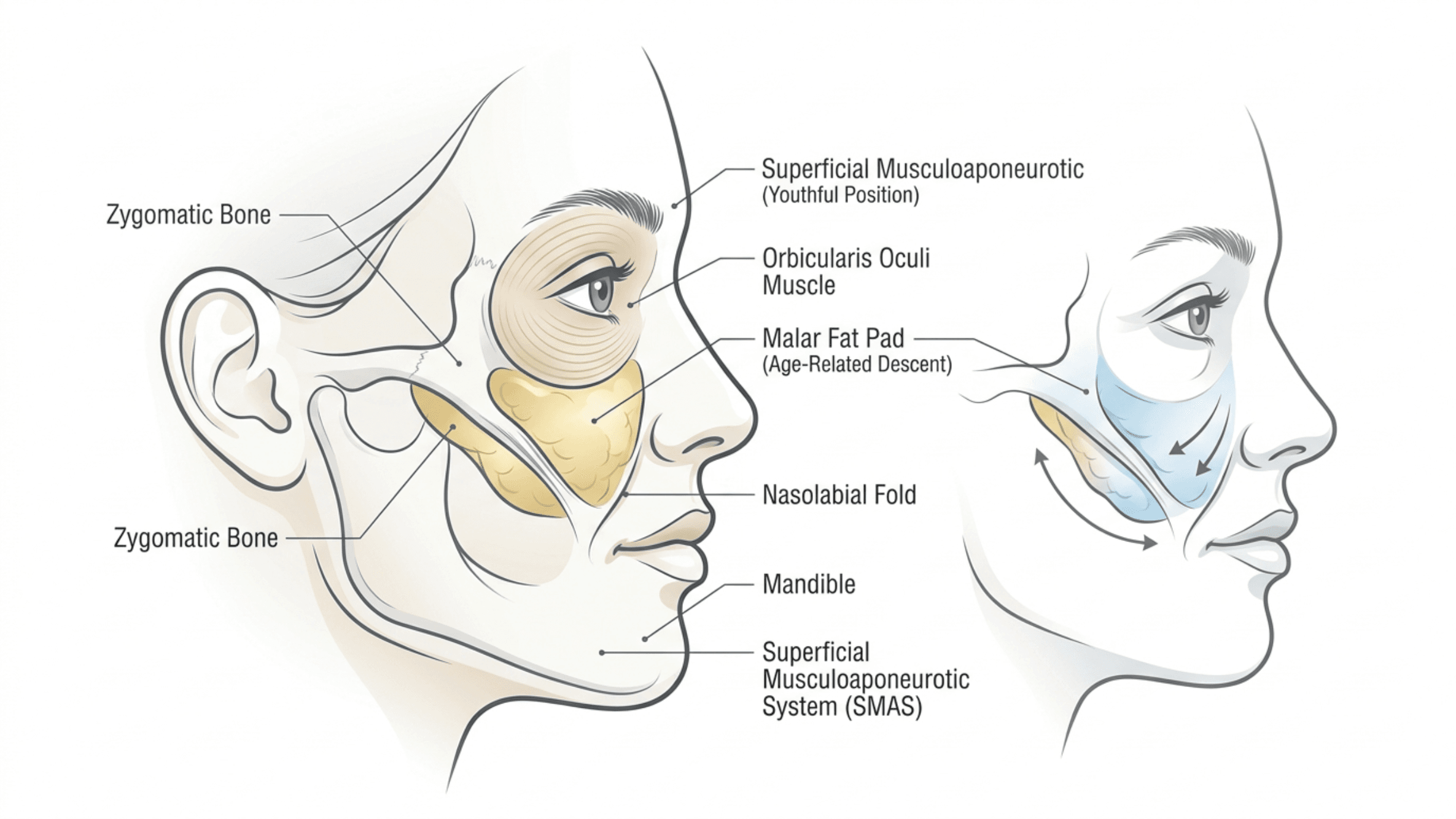
Table of Contents
The Malar Fat Pad: Anatomy, Function, and Ethnic Variations in Aging
The malar fat pad is a specialized superficial fat compartment located over the zygomatic bone, extending from the nasolabial fold to the lateral cheek. It provides structural support, volume, and contour to the midface, contributing to a youthful, lifted appearance. However, as we age, this fat pad undergoes descent, deflation, and resorption, leading to the formation of nasolabial folds, midface hollowing, and a tired or aged look.

Why the Malar Fat Pad Ages Differently Across Ethnicities
Facial aging is a multifactorial process influenced by intrinsic (genetic, hormonal) and extrinsic (environmental, lifestyle) factors. Recent anthropometric studies, including those published in PubMed Central and Europe PMC, have highlighted significant ethnic variations in malar fat pad resorption patterns:
- Caucasian/European Descent: Characterized by early bone resorption and fat pad descent, leading to pronounced nasolabial folds and midface volume loss. The malar fat pad tends to descend more vertically, creating a heavier, sagging appearance.
- East Asian Descent: The midface skeleton is often weaker, with a tendency for fat pad ptosis and ligament laxity rather than significant volume loss. This results in a flatter midface and earlier signs of lower eyelid aging, such as tear trough deformities and malar bags.
- South Asian and Middle Eastern Descent: These groups often exhibit thicker skin and more robust fat pads, leading to delayed but more pronounced fat pad descent in later decades. The resorption pattern is often accompanied by skin laxity and jowl formation.
- African Descent: The malar fat pad is typically more voluminous and resilient, with slower resorption rates. Aging is often marked by skin texture changes and pigmentation rather than significant volume loss, though fat pad descent can still occur.
These variations are not merely cosmetic; they reflect underlying differences in bone density, ligament strength, skin thickness, and fat distribution. For example, a study in Europe PMC (2025) found that individuals of East Asian descent have a weaker facial skeletal framework, making them more prone to midface soft tissue descent, while those of African descent often retain malar volume longer due to denser fat pads and thicker skin.
The Science of Malar Fat Pad Resorption: What Happens Beneath the Surface?
Malar fat pad resorption is driven by a combination of factors:
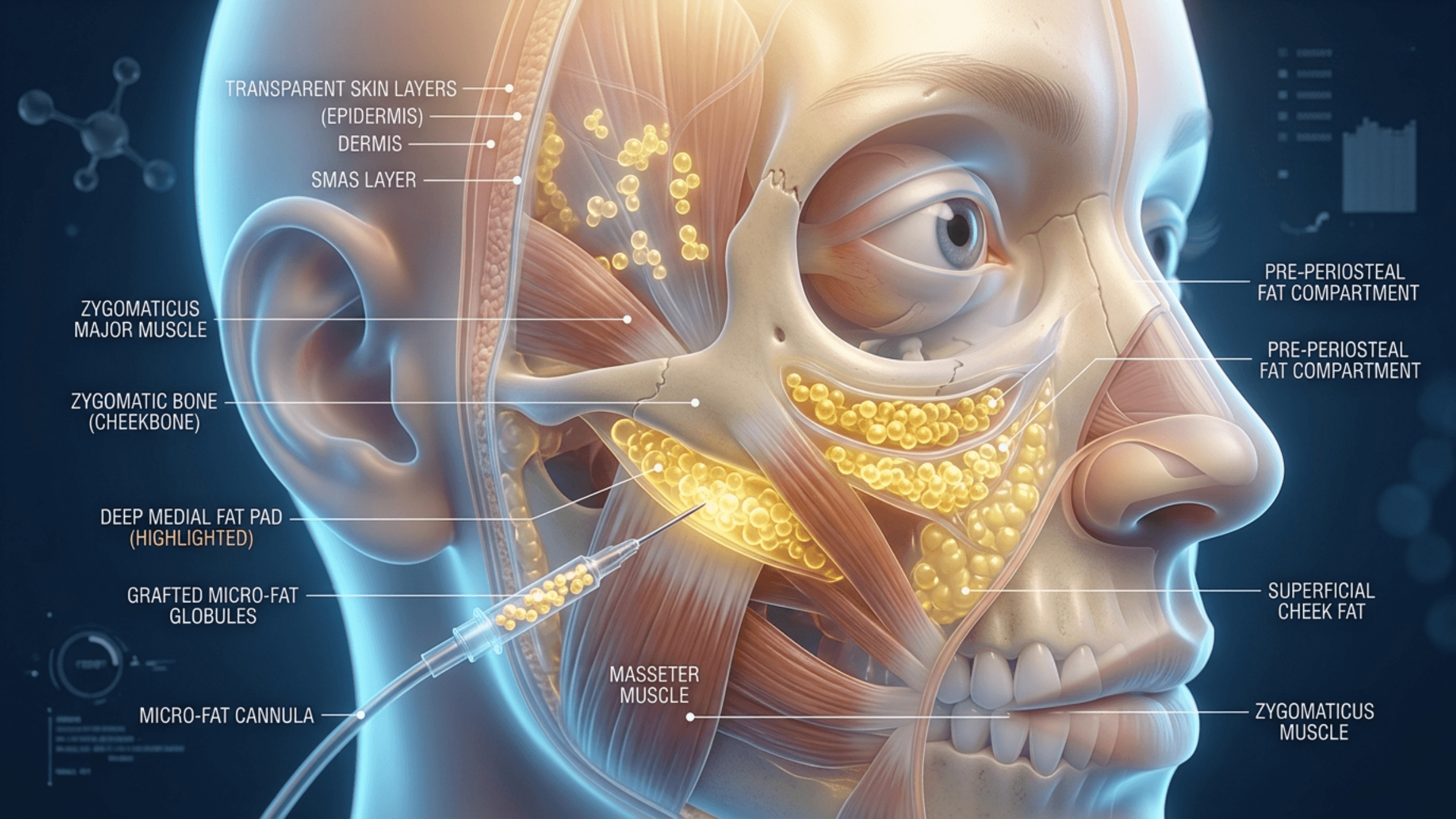
- Bone Resorption: The zygomatic bone undergoes age-related resorption, reducing structural support for the overlying fat pad. This is particularly pronounced in individuals of European descent, where bone loss can accelerate fat pad descent.
- Fat Atrophy: The fat pad itself loses volume due to cellular changes, leading to deflation and hollowing. This is often seen in conjunction with bone resorption, compounding the aged appearance.
- Ligament Laxity: The zygomatic-cutaneous ligaments, which anchor the malar fat pad to the bone, weaken over time, allowing the fat pad to descend. This is a key factor in the formation of nasolabial folds and jowls.
- Skin Changes: Loss of collagen and elastin reduces skin elasticity, exacerbating the descent of the fat pad and contributing to wrinkles and sagging.
A 2026 study in Plastic and Reconstructive Surgery Global Open emphasized that these changes do not occur in isolation. Instead, they interact in complex ways, with ethnic variations determining the dominant pattern of aging. For instance, in individuals of East Asian descent, ligament laxity often precedes fat atrophy, while in those of European descent, bone resorption and fat atrophy may occur simultaneously.
Personalized Facelift Techniques: Tailoring Approaches to Ethnic Anatomy
The recognition of ethnic variations in malar fat pad resorption has led to the development of personalized facelift techniques that address the unique needs of each patient. In 2026, surgeons are no longer relying on a single approach but are instead customizing procedures based on ethnic anatomy, aging patterns, and patient goals. Below are the most advanced techniques currently in use:

1. Deep Plane Facelift: The Gold Standard for Malar Fat Pad Repositioning
The deep plane facelift remains the most effective technique for addressing malar fat pad descent, particularly in patients with moderate to severe midface aging. This approach involves:
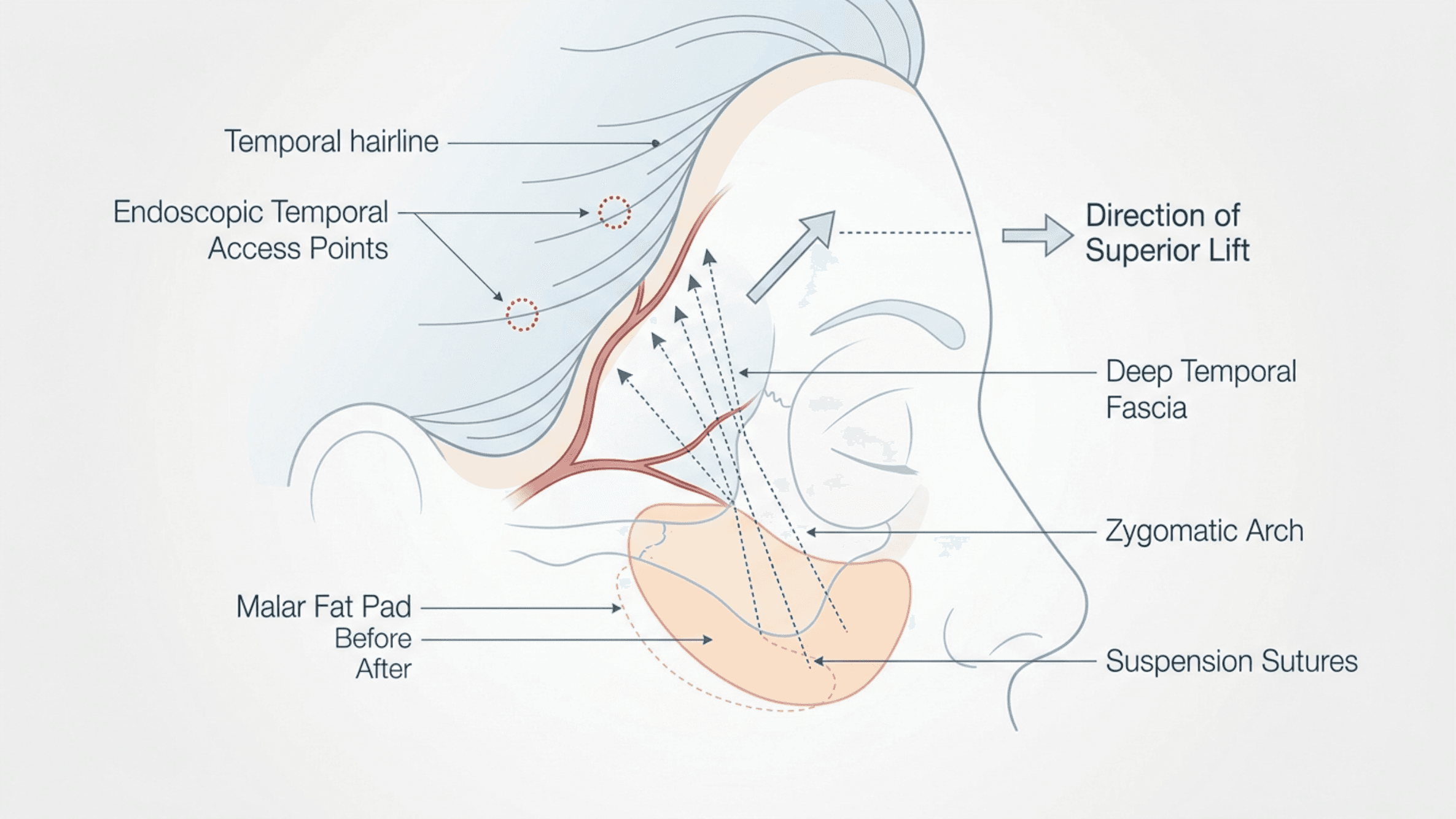
- Sub-SMAS Dissection: The surgeon lifts the Superficial Musculoaponeurotic System (SMAS) and the malar fat pad as a single unit, providing a more durable and natural lift compared to skin-only techniques.
- Ligament Release: The zygomatic-cutaneous ligaments are released, allowing the malar fat pad to be repositioned superiorly and laterally, restoring midface volume and contour.
- Fat Pad Suspension: The malar fat pad is sutured to the deep temporal fascia or periosteum, ensuring long-lasting elevation and preventing recurrent ptosis.
This technique is particularly effective for patients of European and South Asian descent, where bone resorption and fat pad descent are prominent. A 2025 study in Plastic and Reconstructive Surgery found that deep plane facelifts provided more natural and long-lasting results in these populations, with patient satisfaction rates exceeding 90%.
2. Endoscopic Mid-Facelift: Minimally Invasive Precision
For patients with early signs of malar fat pad descent or those seeking a less invasive option, the endoscopic mid-facelift offers a compelling alternative. This technique uses small incisions hidden within the hairline and inside the mouth to:
- Reposition the Malar Fat Pad: Specialized endoscopic instruments are used to lift and secure the fat pad to a higher, more youthful position.
- Restore Volume: The procedure effectively addresses midface hollowing and nasolabial folds without the need for extensive dissection.
- Minimize Scarring: The use of small incisions results in minimal scarring and a quicker recovery.
This approach is ideal for patients of East Asian and Middle Eastern descent, where ligament laxity is a primary concern. A 2026 study in Aesthetic Surgery Journal highlighted its effectiveness in these populations, noting that it provided natural-looking results with minimal downtime.

3. Fat Grafting and Structural Fat Repositioning: Restoring Volume and Contour
In cases where malar fat pad resorption has led to significant volume loss, autologous fat grafting or structural fat repositioning can be combined with facelift techniques to restore youthful contours. This approach involves:
- Harvesting Fat: Fat is harvested from areas such as the abdomen or thighs using liposuction.
- Processing and Injection: The harvested fat is processed and injected into the midface, specifically targeting areas of volume loss.
- Layered Approach: Fat is injected in multiple layers to ensure natural integration and long-term survival.
Fat grafting is particularly beneficial for patients of African and South Asian descent, where thicker skin and denser fat pads provide an ideal environment for fat survival. A 2025 study in Journal of Cosmetic and Laser Therapy found that fat grafting combined with facelift techniques resulted in more natural and harmonious results in these populations, with high patient satisfaction rates.
4. Thread Lifts: A Non-Surgical Option for Mild Descent
For patients with mild malar fat pad descent or those seeking a non-surgical option, thread lifts offer a minimally invasive alternative. This technique involves:
- Thread Insertion: Dissolvable threads with barbs are inserted under the skin to lift and reposition the malar fat pad.
- Immediate Results: The threads provide an immediate lifting effect, with results lasting up to 18 months.
- Collagen Stimulation: The threads stimulate collagen production, improving skin texture and elasticity over time.
Thread lifts are best suited for patients of East Asian and younger European descent, where early signs of aging are primarily due to ligament laxity rather than volume loss. While not as long-lasting as surgical options, they offer a quick recovery and natural-looking results for the right candidate.
5. The Role of Ancillary Procedures: Enhancing Facelift Results
Personalized facelift strategies often incorporate ancillary procedures to address specific concerns and enhance overall results:
- Blepharoplasty: Upper and lower eyelid surgery can address hooding and under-eye bags, complementing the midface lift.
- Neck Lift: For patients with jowling or neck laxity, a neck lift can be combined with a facelift to provide comprehensive rejuvenation.
- Laser Resurfacing: Fractional laser treatments can improve skin texture, reduce pigmentation, and enhance the overall results of a facelift.
- Injectables: Dermal fillers and neuromodulators (e.g., Botox) can be used to fine-tune results, addressing areas of residual volume loss or dynamic wrinkles.
These procedures are tailored to the patient’s ethnic anatomy and aging patterns. For example, patients of East Asian descent may benefit from lower blepharoplasty to address tear trough deformities, while those of European descent may require laser resurfacing to address sun damage and pigmentation.

Recovery and Post-Operative Care: Ensuring Optimal Results
Recovery from a personalized facelift is a critical phase that determines the final outcome. While techniques and approaches may vary, the principles of post-operative care remain consistent. Here’s what patients can expect in 2026:
Managing Swelling and Bruising: The First 48 Hours
Swelling and bruising are inevitable after any facelift procedure, but they can be managed effectively with the following strategies:
- Cold Compresses: Applying cold compresses to the face for the first 48 hours helps reduce swelling and discomfort.
- Head Elevation: Keeping the head elevated, even while sleeping, minimizes swelling and promotes faster healing.
- Prescribed Medications: Surgeons may prescribe anti-inflammatory medications or pain relievers to manage discomfort and reduce swelling.
- Avoiding Strenuous Activities: Patients are advised to avoid heavy lifting, bending, or vigorous exercise for at least two weeks to prevent increased swelling or bleeding.
Most swelling subsides within the first two weeks, but residual puffiness may persist for several months. Patients of East Asian and Middle Eastern descent may experience prolonged swelling due to thicker skin and subcutaneous tissue, requiring patience and adherence to post-operative instructions.
Scar Management: Minimizing Visibility
Scarring is a common concern, but modern techniques ensure that incisions are placed discreetly, often within the natural contours of the face or behind the ears. To minimize scar visibility:
- Silicone Gel Sheets: Applying silicone gel sheets to incisions can help flatten and soften scars.
- Specialized Creams: Topical creams containing vitamin E, hyaluronic acid, or other scar-reducing ingredients can improve scar appearance.
- Laser Treatments: Fractional laser therapy can be used to reduce redness and improve the texture of scars.
- Sun Protection: Protecting scars from sun exposure is critical to prevent hyperpigmentation, especially in patients with darker skin tones.
Regular follow-up appointments allow surgeons to monitor healing and address any concerns promptly. With proper care, scars typically fade significantly over time, becoming nearly invisible.
Long-Term Care: Preserving Your Results
A personalized facelift does not halt the aging process, but proper long-term care can extend its benefits. Patients are advised to:
- Maintain a Healthy Lifestyle: A balanced diet, regular exercise, and adequate hydration support overall skin health and longevity.
- Protect Against Sun Damage: Daily use of broad-spectrum sunscreen (SPF 30 or higher) is essential to prevent photoaging and maintain results.
- Non-Surgical Maintenance: Periodic treatments such as Botox, dermal fillers, and laser resurfacing can complement facelift results and address new signs of aging as they arise.
- Follow a Skincare Regimen: Surgeons often provide personalized skincare recommendations, including the use of retinoids, antioxidants, and moisturizers to support skin health.
Patients of African and South Asian descent may benefit from skincare products targeting hyperpigmentation and uneven skin tone, while those of European descent may focus on collagen-boosting ingredients to combat sun damage.
Choosing the Right Surgeon: Expertise in Ethnic Anatomy Matters
The success of a personalized facelift depends largely on the surgeon’s expertise, particularly their understanding of ethnic variations in facial anatomy. Patients should seek out board-certified plastic surgeons with specialized training in facial rejuvenation and a demonstrated commitment to culturally sensitive care. Here’s what to look for:
1. Experience with Diverse Patient Cohorts
A surgeon’s experience with diverse ethnic groups is critical. Dr. Berat Çiğdem, for example, has conducted multicenter studies spanning Turkish, European, and Asian patient cohorts, providing him with a deep understanding of ethnic variations in malar fat pad resorption and facelift techniques. Patients should inquire about a surgeon’s experience with their specific ethnic background and request to see before-and-after photos of similar cases.
2. Pre-Operative Consultation: Setting Realistic Expectations
A thorough pre-operative consultation is essential for setting realistic expectations and developing a personalized treatment plan. During this session:
- Facial Analysis: The surgeon evaluates the patient’s facial structure, skin quality, and aging patterns, paying close attention to ethnic-specific features.
- Digital Imaging: Advanced imaging tools, such as 3D simulations, can help patients visualize potential results and ensure their expectations align with what is surgically achievable.
- Open Communication: Patients should feel comfortable discussing their goals, concerns, and cultural preferences. Surgeons must provide honest feedback about achievable outcomes and recommend techniques tailored to the patient’s unique anatomy.
For example, a patient of East Asian descent may prioritize a softer, more natural midface contour, while a patient of European descent may seek more dramatic correction of nasolabial folds. A skilled surgeon will tailor the approach to these preferences.
3. Cultural Sensitivity: Honoring Individual Beauty Ideals
Cultural sensitivity is a cornerstone of personalized facelift surgery. Surgeons must understand the aesthetic ideals that influence their patients’ goals. For instance:
- East Asian Patients: Often seek to preserve a soft, oval facial contour and avoid an overly lifted or artificial appearance. Techniques such as endoscopic mid-facelifts or thread lifts are often preferred.
- Middle Eastern Patients: May prioritize fullness and volume in the midface, making fat grafting a valuable adjunct to facelift procedures.
- African Patients: Often desire to maintain natural volume and contour while addressing skin texture and pigmentation. Surgeons may combine facelifts with laser resurfacing or chemical peels.
- European Patients: May seek dramatic correction of sagging and volume loss, making deep plane facelifts or SMAS techniques ideal.
Trust between the surgeon and patient is built on mutual respect and clear communication. Patients should feel heard and understood, while surgeons must demonstrate their commitment to achieving results that honor the patient’s identity and cultural background.
The Lasting Impact of Personalized Facelifts: Beyond Aesthetics
A personalized facelift is more than a cosmetic procedure—it is a transformative experience that enhances both appearance and self-confidence. Patients who undergo ethnically informed facelift techniques often report feeling more youthful, energetic, and self-assured. The psychological benefits of a refined, harmonious facial contour extend to all areas of life, from social interactions to professional opportunities.
Natural Rejuvenation: The Ultimate Goal
The hallmark of a successful personalized facelift is its ability to deliver natural-looking results. Patients should appear refreshed and rejuvenated, not altered or artificial. This requires a surgeon’s artistic skill in preserving the patient’s unique features while addressing signs of aging. The best outcomes are those that enhance the patient’s natural beauty, leaving them looking like the best version of themselves.
A natural facelift allows for full facial expression and movement, ensuring that patients feel comfortable and confident in their rejuvenated appearance. The goal is not to create a rigid, unnatural look but to restore a youthful vitality that radiates from within. For example, a patient of South Asian descent may retain their characteristic midface fullness while achieving a more lifted contour, while a patient of European descent may enjoy a smoother, more defined jawline without losing their unique facial structure.
Confidence and Well-Being: The Inner Transformation
The psychological impact of a personalized facelift is profound. Patients often experience a renewed sense of self-confidence, which can positively influence their personal and professional lives. A youthful, harmonious appearance opens doors to new experiences and relationships, empowering patients to embrace life with enthusiasm and optimism.
In 2026, the field of facial rejuvenation continues to evolve, with a growing emphasis on personalization, cultural sensitivity, and natural results. By understanding the ethnic variations in malar fat pad resorption and tailoring facelift techniques accordingly, surgeons can deliver outcomes that not only enhance beauty but also enrich the lives of their patients.
How do malar fat pad resorption patterns differ across ethnicities?
Malar fat pad resorption patterns vary significantly across ethnicities due to differences in bone density, ligament strength, skin thickness, and fat distribution. For example:
– **Caucasian/European descent:** Early bone resorption and vertical fat pad descent lead to pronounced nasolabial folds and midface volume loss.
– **East Asian descent:** Weaker skeletal framework and ligament laxity result in fat pad ptosis and earlier tear trough deformities.
– **South Asian/Middle Eastern descent:** Thicker skin and robust fat pads lead to delayed but pronounced fat pad descent in later decades.
– **African descent:** Denser fat pads and thicker skin result in slower resorption rates, with aging often marked by skin texture changes rather than volume loss.
What are the most effective facelift techniques for addressing malar fat pad descent?
The most effective techniques for addressing malar fat pad descent include:
– **Deep Plane Facelift:** Ideal for moderate to severe descent, this technique lifts the SMAS and malar fat pad as a single unit, providing durable, natural results.
– **Endoscopic Mid-Facelift:** A minimally invasive option for early signs of descent, using small incisions to reposition the fat pad.
– **Fat Grafting/Structural Fat Repositioning:** Restores volume in cases of significant resorption, particularly effective for patients with thicker skin.
– **Thread Lifts:** A non-surgical option for mild descent, offering temporary lifting and collagen stimulation.
How long do the results of a personalized facelift last?
The longevity of facelift results depends on the technique used, the patient’s skin quality, and their post-operative care. Generally:
– **Deep Plane Facelift:** Results can last 7–10 years or longer, especially when combined with fat grafting or ancillary procedures.
– **Endoscopic Mid-Facelift:** Results typically last 5–7 years, with touch-ups recommended for sustained benefits.
– **Thread Lifts:** Results last 12–18 months, making them ideal for patients seeking temporary improvement.
Maintaining a healthy lifestyle, protecting the skin from sun damage, and following a personalized skincare regimen can extend the longevity of results.
What should I look for when choosing a surgeon for a personalized facelift?
When choosing a surgeon for a personalized facelift, prioritize the following:
– **Experience with Diverse Ethnic Groups:** Ensure the surgeon has experience with patients of your ethnic background and understands the unique aging patterns associated with it.
– **Board Certification:** Verify that the surgeon is board-certified in plastic surgery and has specialized training in facial rejuvenation.
– **Before-and-After Portfolio:** Review the surgeon’s portfolio to assess their ability to deliver natural, harmonious results.
– **Cultural Sensitivity:** Choose a surgeon who respects and understands your cultural aesthetic ideals and can tailor the procedure accordingly.
– **Transparent Communication:** The surgeon should provide honest feedback about achievable outcomes and address your concerns openly.
Are there non-surgical alternatives to facelift procedures for malar fat pad descent?
Yes, non-surgical alternatives can address mild to moderate malar fat pad descent, though they are not as long-lasting as surgical options. These include:
– **Dermal Fillers:** Hyaluronic acid fillers can restore volume to the midface and improve contour.
– **Thread Lifts:** Dissolvable threads with barbs lift and reposition the fat pad, with results lasting up to 18 months.
– **Radiofrequency and Ultrasound Treatments:** These stimulate collagen production and tighten the skin, improving mild sagging.
– **Laser Resurfacing:** Fractional lasers improve skin texture and elasticity, complementing other non-surgical treatments.
While these options offer minimal downtime, they are best suited for patients with early signs of aging or those seeking temporary improvement.
How does recovery differ for personalized facelift techniques?
Recovery varies depending on the technique used and the patient’s ethnic anatomy:
– **Deep Plane Facelift:** Recovery typically takes 2–3 weeks, with residual swelling subsiding over 3–6 months. Patients with thicker skin (e.g., Middle Eastern or African descent) may experience prolonged swelling.
– **Endoscopic Mid-Facelift:** Recovery is quicker, with most patients returning to normal activities within 1–2 weeks. Swelling and bruising are minimal.
– **Fat Grafting:** Recovery involves swelling and bruising at both the donor and recipient sites, with final results visible after 3–6 months.
– **Thread Lifts:** Minimal downtime, with most patients returning to normal activities within 1–2 days.