

The quest for facial rejuvenation has evolved significantly by 2026, with an increasing number of patients seeking secondary facelift procedures to address dissatisfaction or complications from prior surgeries. These advanced revision strategies are designed to correct altered anatomy, restore natural contours, and deliver lasting, harmonious results. For those considering a secondary facelift in Antalya, understanding the complexities, techniques, and outcomes of revision surgery is essential to achieving the best possible results.
Modern facelift techniques prioritize subtle, natural-looking transformations that respect the unique anatomy of each patient. However, secondary facelifts present unique challenges, including scar tissue, altered tissue planes, and the need for precise surgical planning. This guide explores the latest advancements in revision facelift surgery, the critical role of board-certified expertise, and why Antalya has become a leading destination for patients seeking corrective facial rejuvenation.
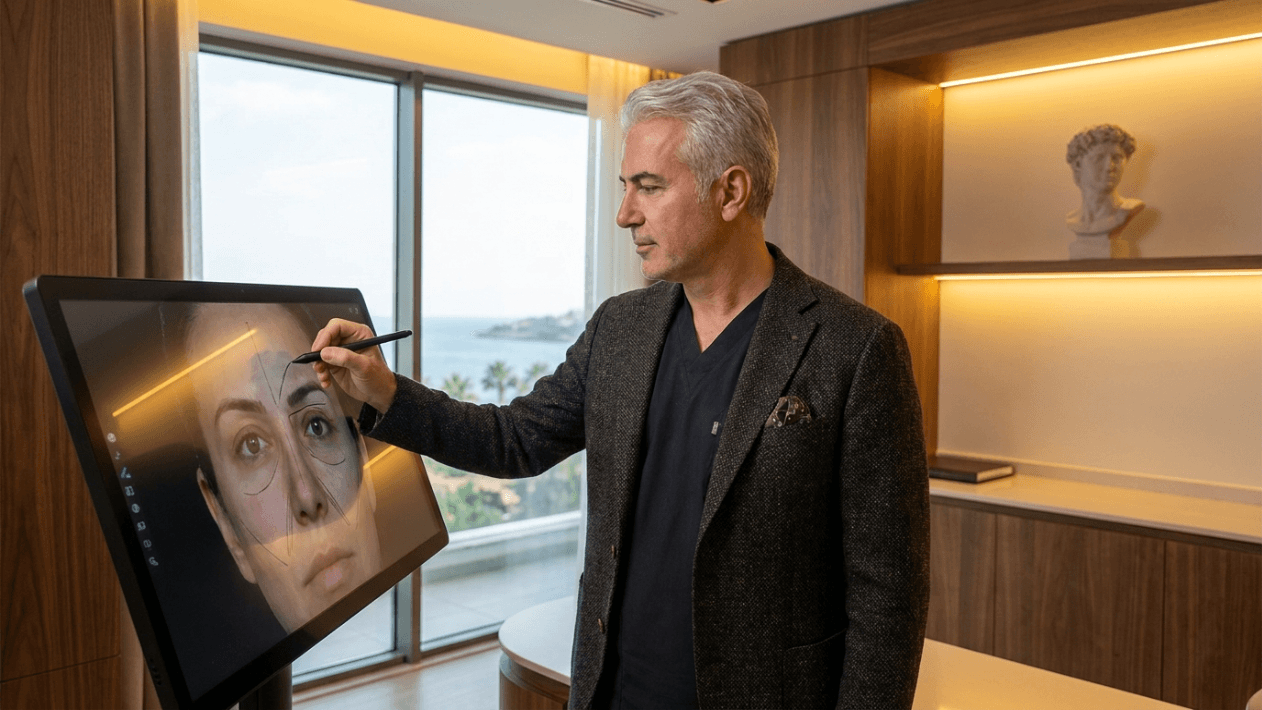
Table of Contents
Why Patients Seek Secondary Facelifts: Common Complications and Concerns
Secondary facelifts, also known as revision facelifts, are performed for a variety of reasons. While some patients seek correction due to complications from their initial surgery, others may desire refinement of results that no longer meet their aesthetic goals. Understanding the most common complications and concerns is the first step in addressing them effectively.
1. Scar Tissue and Fibrosis
Scar tissue is an inevitable outcome of any surgical procedure, but its management is particularly critical in secondary facelifts. Previous incisions and tissue manipulation can lead to fibrosis, a thickening and stiffening of the skin and underlying tissues. This can result in unnatural contours, restricted movement, and a “pulled” appearance. Advanced revision techniques focus on scar release and tissue remodeling to restore natural elasticity and movement.
Solution: Surgeons use a combination of Z-plasty, W-plasty, and geometric broken line closure techniques to minimize scar visibility and improve tissue mobility. Postoperative care, including silicone gel sheets and laser therapy, further enhances scar maturation and reduces fibrosis (PMC, 2026).
2. Altered Anatomy and Tissue Planes
One of the most significant challenges in secondary facelifts is the alteration of natural tissue planes. Previous surgery can disrupt the superficial musculoaponeurotic system (SMAS) and facial retaining ligaments, making it difficult to achieve a natural lift. Additionally, the presence of scar tissue can obscure critical anatomical landmarks, increasing the risk of nerve injury or asymmetry.
Solution: Revision surgeons employ advanced imaging techniques, such as 3D ultrasound and intraoperative navigation, to map altered anatomy and plan precise surgical approaches. The use of deep plane or composite facelift techniques allows for comprehensive tissue repositioning while minimizing the risk of complications (ScienceDirect, 2026).
3. Recurrent Laxity and Incomplete Correction
Many patients seek secondary facelifts due to recurrent laxity or incomplete correction from their initial procedure. This is often the result of techniques that focused solely on skin tightening, rather than addressing the deeper structural layers of the face. Over time, gravity and aging continue to affect the underlying tissues, leading to a return of jowls, midface descent, and neck laxity.
Solution: Modern revision facelifts prioritize multi-layer lifting, targeting the SMAS, platysma, and deep fat compartments. Techniques such as the extended SMAS lift or deep plane facelift provide durable results by repositioning deeper tissues and restoring youthful contours (Advances in Cosmetic Surgery, 2026).
4. Asymmetry and Unnatural Contours
Asymmetry and unnatural contours are common concerns following primary facelifts. These issues may arise from uneven tissue excision, improper suture placement, or inadequate attention to facial harmony. Patients may notice one side of the face appearing tighter, higher, or more distorted than the other, leading to dissatisfaction and self-consciousness.
Solution: Revision surgery requires a meticulous, individualized approach to correct asymmetry. Surgeons use preoperative digital analysis to assess facial balance and plan precise adjustments. Intraoperative techniques, such as fat grafting or targeted SMAS plication, are employed to restore symmetry and create natural, harmonious results (ResearchGate, 2026).
5. Nerve Injury and Sensory Changes
Nerve injury is a rare but serious complication of facelift surgery, with the facial nerve being the most vulnerable. Temporary or permanent nerve damage can result in facial weakness, asymmetry, or loss of sensation. In secondary facelifts, the risk of nerve injury is heightened due to altered anatomy and scar tissue.
Solution: Board-certified surgeons with expertise in facial nerve anatomy are essential for minimizing the risk of nerve injury. Intraoperative nerve monitoring and careful dissection techniques are used to preserve nerve function. In cases of temporary nerve injury, physical therapy and time often lead to full recovery (ScienceDirect, 2026).
Advanced Revision Facelift Techniques in 2026
The field of facelift surgery has seen remarkable advancements in recent years, particularly in the realm of revision procedures. These techniques are designed to address the unique challenges of secondary facelifts, including scar tissue, altered anatomy, and the need for natural, long-lasting results. Below, we explore the most effective revision facelift strategies available in 2026.
1. Deep Plane Facelift: The Gold Standard for Revision Surgery
The deep plane facelift is widely regarded as the gold standard for revision facelifts. This technique involves lifting and repositioning the SMAS layer, facial muscles, and deep fat compartments as a single unit, providing comprehensive rejuvenation with natural, long-lasting results. The deep plane approach is particularly effective for patients with significant scar tissue or altered anatomy, as it allows for precise tissue repositioning without excessive tension on the skin.
Key Benefits:
- Natural Results: By addressing deeper tissue layers, the deep plane facelift avoids the “pulled” appearance often associated with traditional facelifts.
- Durability: Results typically last 10-15 years, making it an ideal choice for patients seeking long-term rejuvenation.
- Comprehensive Correction: Effective for addressing jowls, midface descent, and neck laxity in a single procedure.
Ideal Candidates: Patients with moderate to severe facial aging, significant scar tissue, or previous unsatisfactory facelift results (AKM Clinic, 2026).

2. Extended SMAS Lift: Precision and Versatility
The extended SMAS lift is a versatile technique that allows for precise adjustments to the midface, jowls, and neck. Unlike traditional SMAS lifts, which focus primarily on the lower face, the extended SMAS lift addresses the entire facial structure, including the cheeks and nasolabial folds. This technique is particularly useful for patients with recurrent laxity or those seeking subtle, natural-looking refinements.
Key Benefits:
- Targeted Correction: Allows for precise adjustments to specific areas of concern, such as the midface or jowls.
- Minimal Scarring: Incisions are strategically placed to minimize visibility and blend seamlessly with natural facial contours.
- Quick Recovery: Patients typically experience less swelling and bruising compared to more invasive techniques.
Ideal Candidates: Patients with mild to moderate facial aging, minimal scar tissue, or those seeking targeted refinements (Plastic and Reconstructive Surgery, 2026).
3. Composite Facelift: Comprehensive Rejuvenation
The composite facelift is a comprehensive technique that combines elements of the deep plane and SMAS lifts to address multiple layers of facial aging. This approach is particularly effective for patients with significant midface descent, hollow cheeks, or deep nasolabial folds. By lifting the skin, SMAS, and deep fat compartments simultaneously, the composite facelift provides a harmonious, youthful appearance.
Key Benefits:
- Holistic Rejuvenation: Addresses multiple layers of facial aging, including the skin, muscles, and fat compartments.
- Natural Volume Restoration: Restores youthful volume to the cheeks and midface, reducing the appearance of hollows and folds.
- Long-Lasting Results: Provides durable outcomes by repositioning deeper tissues and supporting the skin.
Ideal Candidates: Patients with advanced facial aging, volume loss, or those seeking comprehensive rejuvenation (MDPI, 2026).
4. Minimally Invasive Techniques: Thread Lifts and Laser-Assisted Lifting
For patients with mild to moderate facial aging or those seeking a less invasive approach, minimally invasive techniques such as thread lifts and laser-assisted lifting offer effective solutions. These procedures use dissolvable threads or laser energy to stimulate collagen production, tighten the skin, and lift sagging tissues. While not as durable as surgical facelifts, minimally invasive techniques provide noticeable improvements with minimal downtime.
Key Benefits:
- Minimal Downtime: Patients can return to normal activities within a few days.
- Natural-Looking Results: Enhances facial contours without the need for extensive surgery.
- Stimulates Collagen: Promotes long-term skin health and elasticity.
Ideal Candidates: Patients with early signs of aging, minimal scar tissue, or those seeking a non-surgical alternative to traditional facelifts (Europe PMC, 2026).
Recovery and Post-Operative Care: Ensuring Optimal Results
Recovery from a secondary facelift requires careful planning and adherence to postoperative instructions to minimize complications and ensure optimal results. While the recovery process may vary depending on the technique used and the extent of correction, the following guidelines provide a general overview of what to expect.
1. Managing Swelling and Bruising: The First 48 Hours
Swelling and bruising are inevitable after any facelift procedure, but they can be managed effectively with the right strategies. During the first 48 hours, patients are advised to:
- Apply Cold Compresses: Cold compresses help reduce swelling and minimize bruising by constricting blood vessels.
- Keep the Head Elevated: Sleeping with the head elevated at a 30-45 degree angle reduces fluid accumulation and promotes faster healing.
- Follow a Soft Diet: A soft diet minimizes strain on the facial muscles and reduces the risk of complications.
- Avoid Strenuous Activities: Patients should refrain from heavy lifting, bending, or vigorous exercise for at least two weeks to prevent increased swelling and bleeding.
Most swelling subsides within the first two weeks, but residual puffiness may persist for several months. Patience is key, as the final results of a secondary facelift become fully apparent after three to six months, once the tissues have settled into their new position (RealSelf, 2026).
2. Scar Management: Minimizing Visibility
Scar management is a critical aspect of recovery, particularly for patients undergoing secondary facelifts. While modern techniques ensure that incisions are placed discreetly, proper care is essential to minimize scar visibility and promote optimal healing. Patients are advised to:
- Use Silicone Gel Sheets: Silicone gel sheets are applied to incisions to flatten and soften scars, reducing their visibility over time.
- Apply Topical Creams: Specialized scar creams containing ingredients such as vitamin E, onion extract, or hydroquinone can help lighten and smooth scars.
- Protect from Sun Exposure: UV radiation can darken scars and make them more noticeable. Patients should apply a broad-spectrum sunscreen with SPF 30 or higher to incision sites for at least six months.
- Consider Laser Therapy: Laser treatments, such as fractional CO2 laser or pulsed dye laser, can further improve scar appearance by stimulating collagen production and reducing redness.
With proper care, scars typically fade significantly over time, becoming nearly invisible (PMC, 2026).
3. Long-Term Care: Preserving Your Results
A secondary facelift does not halt the aging process, but proper long-term care can extend its benefits and maintain a youthful appearance. Patients are encouraged to:
- Maintain a Healthy Lifestyle: A balanced diet, regular exercise, and adequate hydration support skin health and overall well-being.
- Protect the Skin from Sun Damage: Daily use of sunscreen and protective clothing helps prevent premature aging and maintains the results of the facelift.
- Consider Non-Surgical Treatments: Non-surgical treatments such as Botox, dermal fillers, and laser resurfacing can complement the results of a facelift and address minor signs of aging.
- Follow a Skincare Regimen: A personalized skincare regimen, including retinoids, antioxidants, and moisturizers, can support ongoing rejuvenation and skin health.
Regular follow-up appointments with the surgeon allow for ongoing monitoring and adjustments to the skincare regimen as needed (ScienceDirect, 2026).
Choosing the Right Surgeon: The Key to Successful Revision Facelifts
The success of a secondary facelift hinges on the expertise and experience of the surgeon. Revision facelifts are inherently more complex than primary procedures, requiring advanced technical skills, artistic judgment, and a deep understanding of facial anatomy. When selecting a surgeon for a secondary facelift in Antalya, patients should consider the following factors:
1. Board Certification and Specialized Training
Board certification is a critical indicator of a surgeon’s qualifications and expertise. Patients should seek out surgeons who are board-certified in plastic, reconstructive, or facial plastic surgery by recognized organizations such as the American Board of Plastic Surgery (ABPS), the European Board of Plastic, Reconstructive and Aesthetic Surgery (EBOPRAS), or the Turkish Society of Plastic, Reconstructive and Aesthetic Surgeons (TPCD). Additionally, surgeons with specialized training in facial rejuvenation and revision surgery are better equipped to handle the complexities of secondary facelifts.
Why It Matters: Board-certified surgeons adhere to the highest standards of patient safety, ethical practice, and ongoing education. Their training ensures they are proficient in the latest techniques and technologies, reducing the risk of complications and improving outcomes (The Aesthetic Society, 2026).
2. Experience with Revision Facelifts
Revision facelifts require a unique skill set that differs from primary procedures. Surgeons with extensive experience in secondary facelifts are better prepared to address the challenges of altered anatomy, scar tissue, and patient-specific concerns. Patients should inquire about the surgeon’s experience with revision procedures, including the number of cases performed and their success rates.
Questions to Ask:
- How many revision facelifts have you performed?
- Can you provide before-and-after photos of previous revision facelift patients?
- What techniques do you use for secondary facelifts, and why?
- What is your approach to managing scar tissue and altered anatomy?
Why It Matters: Surgeons with a proven track record in revision facelifts are more likely to deliver natural, harmonious results while minimizing the risk of complications (Assoc. Prof. Dr. Arda Kucukguven, 2026).
3. Patient-Centered Approach and Communication
A patient-centered approach is essential for achieving satisfactory outcomes in revision facelift surgery. Surgeons should take the time to listen to the patient’s concerns, assess their unique anatomy, and develop a personalized treatment plan. Open communication and transparency about the risks, benefits, and expected outcomes of the procedure are critical for building trust and ensuring patient satisfaction.
Why It Matters: Patients who feel heard and understood are more likely to be satisfied with their results. A surgeon who prioritizes communication and collaboration fosters a positive patient experience and reduces the likelihood of postoperative dissatisfaction (American Society of Plastic Surgeons, 2026).
4. Advanced Technology and Techniques
The field of facelift surgery is continually evolving, with new technologies and techniques emerging to improve outcomes and reduce recovery times. Surgeons who stay at the forefront of these advancements are better equipped to deliver superior results. Patients should inquire about the technologies and techniques used by the surgeon, such as:
- 3D Imaging and Simulation: Allows patients to visualize potential outcomes and make informed decisions about their procedure.
- Intraoperative Nerve Monitoring: Reduces the risk of nerve injury and enhances surgical precision.
- Minimally Invasive Techniques: Offers less downtime and faster recovery for eligible patients.
- Advanced Scar Management: Includes laser therapy, silicone gel sheets, and specialized topical treatments to minimize scar visibility.
Why It Matters: Surgeons who embrace innovation and leverage advanced technologies can provide safer, more effective, and more personalized care (MDPI, 2026).

The Lasting Impact of a Secondary Facelift: Confidence and Beyond
A secondary facelift is more than just a corrective procedure—it is an opportunity to restore confidence, enhance natural beauty, and achieve lasting facial harmony. For patients who have experienced dissatisfaction or complications from a previous facelift, revision surgery offers a chance to correct past mistakes and embrace a refreshed, youthful appearance. The psychological and emotional benefits of a successful secondary facelift extend far beyond physical transformation, empowering patients to feel their best and live life with renewed self-assurance.
1. Natural Rejuvenation: The Ultimate Goal
The hallmark of a successful secondary facelift is its ability to deliver natural-looking results. Patients should appear refreshed and rejuvenated, not altered or artificial. Achieving this requires a surgeon’s artistic skill in preserving the patient’s unique features while addressing signs of aging. The best outcomes are those that enhance the patient’s natural beauty, leaving them looking like the best version of themselves.
A natural secondary facelift allows for full facial expression and movement, ensuring that patients feel comfortable and confident in their rejuvenated appearance. The goal is not to create a rigid, unnatural look but to restore a youthful vitality that radiates from within (ScienceDirect, 2026).
2. Confidence and Well-Being: The Inner Transformation
The psychological impact of a secondary facelift is profound. Patients often experience a renewed sense of self-confidence, which can positively influence their personal and professional lives. A youthful appearance opens doors to new experiences and relationships, empowering patients to embrace life with enthusiasm and optimism.
For many patients, the decision to undergo a secondary facelift is driven by a desire to correct past dissatisfaction and achieve the results they originally envisioned. When performed with expertise and care, revision facelift surgery not only enhances beauty but also enriches quality of life, allowing patients to move forward with confidence and pride in their appearance.
What is the ideal timeframe for undergoing a secondary facelift?
The ideal timeframe for a secondary facelift depends on the individual’s aging process and the results of their primary facelift. Most patients consider a secondary facelift 7-10 years after their initial procedure, as this is when natural aging begins to affect the results. However, for those experiencing complications or dissatisfaction, a revision facelift may be considered as early as 1-2 years after the primary surgery. It is essential to consult with a board-certified surgeon to determine the best timing based on your unique anatomy and goals.
How long do the results of a secondary facelift last?
The results of a secondary facelift typically last 7-10 years, depending on the technique used, the patient’s skin quality, and lifestyle factors. Advanced techniques such as the deep plane or extended SMAS lift provide longer-lasting results by addressing deeper tissue layers and supporting the skin. Maintaining a healthy lifestyle, protecting the skin from sun damage, and following a personalized skincare regimen can extend the longevity of the results.
What are the most common complications associated with secondary facelifts, and how are they managed?
The most common complications associated with secondary facelifts include scar tissue, altered anatomy, recurrent laxity, asymmetry, and nerve injury. These complications are managed through advanced surgical techniques, such as scar release and tissue remodeling, precise tissue repositioning, and intraoperative nerve monitoring. Postoperative care, including silicone gel sheets, laser therapy, and physical therapy, further enhances recovery and minimizes the risk of long-term issues.
Can a secondary facelift be combined with other procedures for comprehensive rejuvenation?
Yes, a secondary facelift can be combined with other procedures to achieve comprehensive facial rejuvenation. Common complementary procedures include blepharoplasty (eyelid surgery), brow lift, fat grafting, and neck lift. Combining procedures allows for a harmonious, balanced result and reduces the need for multiple surgeries. However, it is essential to discuss the risks and benefits of combined procedures with your surgeon to ensure safety and optimal outcomes.
How do I choose the right surgeon for a secondary facelift in Antalya?
Choosing the right surgeon for a secondary facelift in Antalya requires careful consideration of several factors. Look for a board-certified surgeon with specialized training in facial rejuvenation and revision surgery. Review their portfolio of before-and-after photos, read patient testimonials, and inquire about their experience with secondary facelifts. A surgeon who prioritizes patient-centered care, open communication, and advanced techniques is more likely to deliver natural, harmonious results.
What is the recovery process like for a secondary facelift, and how can I optimize my results?
The recovery process for a secondary facelift typically involves managing swelling and bruising during the first 48 hours, followed by scar management and long-term care. Patients are advised to apply cold compresses, keep the head elevated, follow a soft diet, and avoid strenuous activities. Scar management techniques, such as silicone gel sheets and laser therapy, help minimize visibility. Long-term care includes maintaining a healthy lifestyle, protecting the skin from sun damage, and considering non-surgical treatments to preserve the results. Following your surgeon’s postoperative instructions diligently is key to optimizing your outcome.