

The quest for a youthful appearance often leads to a critical crossroads: Should you opt for a facelift, a neck lift, or both? While aging affects the face and neck differently, understanding the nuances of each procedure is essential for achieving harmonious, natural-looking results. Facial sagging and the dreaded “turkey neck” may seem related, but they demand distinct surgical approaches. This guide will dissect the differences, helping you make an informed decision tailored to your unique needs.
Ageless beauty isn’t about defying time—it’s about embracing it with grace. The face and neck, though interconnected, age in distinct ways. A facelift rejuvenates the midface, cheeks, and jawline, while a neck lift targets sagging skin, muscle bands, and excess fat beneath the chin. **Ignoring one for the other can lead to an unbalanced appearance.** So, how do you determine which procedure—or combination—will restore your youthful vitality?
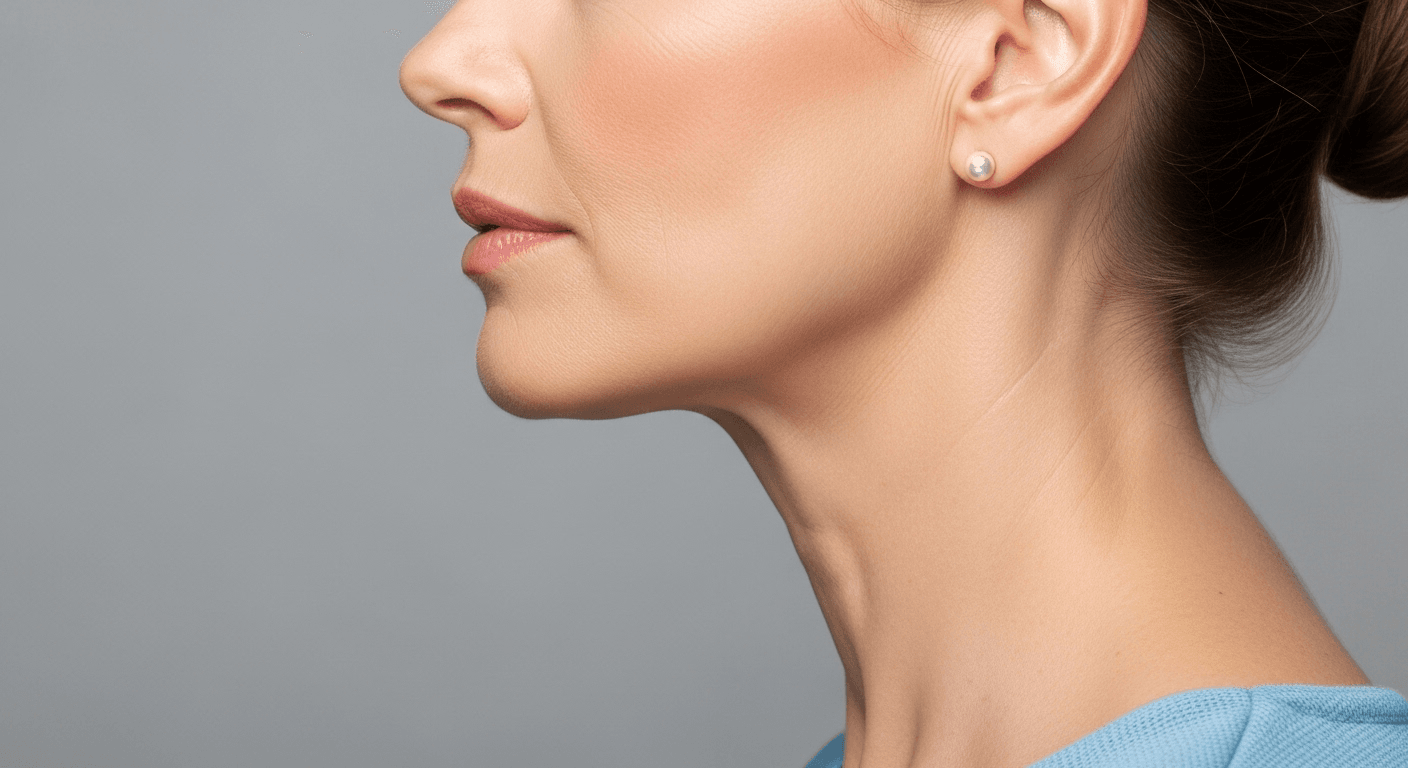
Table of Contents
Understanding Facial Sagging vs. the “Turkey Neck”
The face and neck age at different paces and in different ways. **Facial sagging** typically manifests as:
- Loss of volume in the cheeks, creating a hollowed appearance.
- Deepening nasolabial folds (lines running from the nose to the mouth).
- Jowls forming along the jawline due to skin laxity and fat displacement.
Meanwhile, the **”turkey neck”**—a term describing sagging neck skin—presents its own challenges:
- Loose, crepey skin that hangs below the chin.
- Visible vertical muscle bands (platysmal bands) that become prominent with age.
- Submental fat accumulation, creating a “double chin” effect.
These issues rarely exist in isolation. **Aging is a holistic process**, and addressing only one area can leave the other looking disproportionately aged. For instance, a taut, lifted face paired with a sagging neck creates an unnatural contrast. Conversely, a smooth neck with a drooping jawline fails to deliver the desired rejuvenation.
So, do you need both procedures? The answer lies in the severity of your concerns and your aesthetic goals. Let’s explore the scenarios where combining a facelift and a neck lift becomes not just beneficial but necessary.
When a Facelift Alone Falls Short
A facelift is a powerful tool for reversing signs of aging in the mid-to-lower face. It tightens sagging skin, repositions fat pads, and restores youthful contours. However, **it does not address the neck’s unique aging patterns**. Here’s when a facelift alone may not suffice:
- Prominent platysmal bands: These vertical muscles in the neck become more visible with age, creating a “corded” appearance. A facelift cannot tighten these bands—only a neck lift can.
- Excess submental fat: If fat accumulation under the chin is a primary concern, liposuction or direct excision during a neck lift is required. A facelift won’t resolve this issue.
- Significant skin laxity: When neck skin sags to the point of creating folds or a “wattle,” a neck lift is the only solution for a smooth, contoured profile.
Consider this: A facelift can turn back the clock on your face, but if your neck remains aged, the overall result will lack harmony. **The neck is an extension of the face**, and neglecting it undermines the rejuvenation you seek.
The Case for a Combined Approach
Combining a facelift and neck lift is often the gold standard for comprehensive rejuvenation. This dual procedure ensures:
- Seamless transitions: The jawline flows naturally into the neck, eliminating any abrupt changes in texture or tightness.
- Balanced proportions: Both the face and neck appear youthful, avoiding the “done” look that arises from overcorrecting one area.
- Long-lasting results: Addressing both regions simultaneously prevents one from aging faster than the other, extending the longevity of your results.
Patients who opt for both procedures often report higher satisfaction rates. **Why?** Because aging doesn’t occur in isolation—it’s a full-spectrum process. A combined approach acknowledges this reality, delivering results that look as natural as they do transformative.

Who Is the Ideal Candidate for Both Procedures?
Not everyone requires both a facelift and a neck lift. The ideal candidate typically exhibits:
- Moderate to severe facial sagging: Jowls, deep nasolabial folds, and loss of cheek volume.
- Visible neck aging: Platysmal bands, submental fat, or significant skin laxity.
- Realistic expectations: Understanding that while the procedures deliver dramatic improvements, they won’t halt the aging process entirely.
Age isn’t the sole determining factor. **Genetics, lifestyle, and sun exposure** play significant roles in how the face and neck age. Some individuals in their 40s may already exhibit signs that warrant both procedures, while others in their 60s might only need one. A consultation with a board-certified surgeon is the only way to determine the best course of action.
What to Expect During Recovery
Recovery from a combined facelift and neck lift is more involved than either procedure alone, but the results are exponentially more rewarding. Here’s what to anticipate:
- Downtime: Plan for 2–3 weeks of recovery. Bruising and swelling will peak within the first 48 hours and gradually subside.
- Activity restrictions: Avoid strenuous activities, heavy lifting, and bending over for at least 3 weeks. These actions can increase swelling and compromise healing.
- Follow-up care: Attend all post-operative appointments to monitor healing. Your surgeon may recommend lymphatic drainage massages or scar management techniques to optimize results.
**Patience is key.** Final results may take 3–6 months to fully manifest as swelling resolves and tissues settle. However, the transformation—both in appearance and confidence—is well worth the wait.

Alternatives and Complementary Procedures
For those not ready for surgery, non-surgical options can provide temporary improvements:
- Ultherapy or radiofrequency treatments: Stimulate collagen production to tighten skin on the face and neck.
- Injectables: Dermal fillers can restore volume to the midface, while Botox can soften platysmal bands.
- Kybellla: A non-surgical injection to reduce submental fat.
However, these alternatives offer limited results compared to surgery. For lasting, dramatic rejuvenation, a facelift and neck lift remain the gold standard. **Complementary procedures**—such as blepharoplasty (eyelid surgery) or rhinoplasty—can further enhance facial harmony, creating a cohesive, youthful aesthetic.
Choosing the Right Surgeon: Why Expertise Matters
The success of your facelift and neck lift hinges on the skill and experience of your surgeon. **Here’s what to look for:**
- Board certification: Ensure your surgeon is certified by a recognized board, such as the American Board of Plastic Surgery.
- Specialization in facial procedures: A surgeon who focuses on facelifts and neck lifts will have the nuanced expertise required for optimal results.
- Before-and-after gallery: Review their portfolio to assess consistency and natural-looking outcomes.
- Patient testimonials: Real experiences from past patients provide insight into the surgeon’s skill and bedside manner.
During your consultation, ask about the surgeon’s approach to combining procedures. **Do they customize techniques based on your anatomy?** How do they manage potential complications? A thorough, transparent discussion will set the stage for a successful outcome.
The Psychological Impact: More Than Skin Deep
A facelift and neck lift don’t just transform your appearance—they renew your confidence. Patients often report:
- Increased self-esteem: Looking in the mirror and seeing a refreshed, youthful version of yourself can be profoundly empowering.
- Positive social interactions: A rejuvenated appearance often leads to more engaging conversations and opportunities.
- Motivation for healthier habits: Many patients adopt better skincare routines, diets, and fitness regimens post-surgery, further enhancing their results.
**Yet, the most significant change is internal.** When your outer appearance aligns with how you feel inside, it fosters a sense of wholeness. This isn’t about chasing perfection—it’s about reclaiming the best version of yourself.
Can a facelift alone address neck sagging?
No, a facelift primarily targets the mid-to-lower face, including the cheeks and jawline. It does not address platysmal bands, submental fat, or significant skin laxity in the neck—issues that require a neck lift for optimal correction.
How long do the results of a combined facelift and neck lift last?
Results typically last 10–15 years, though individual aging processes vary. Maintaining a healthy lifestyle, protecting your skin from sun damage, and following your surgeon’s post-operative care instructions can extend the longevity of your results.
Is the recovery from a combined procedure more painful?
Recovery from a combined facelift and neck lift is more involved than either procedure alone, but pain is generally manageable with prescribed medications. Most patients report discomfort rather than severe pain, which subsides within the first week.
Are there non-surgical alternatives to a neck lift?
Yes, treatments like Ultherapy, radiofrequency, and Kybella can provide temporary improvements. However, these alternatives cannot match the dramatic, long-lasting results of a surgical neck lift, especially for moderate to severe sagging.
What is the ideal age for a facelift and neck lift?
There is no one-size-fits-all answer. The ideal age depends on your genetics, lifestyle, and how your face and neck have aged. Some individuals benefit from these procedures in their 40s, while others may wait until their 60s. A consultation with a qualified surgeon will provide personalized guidance.
How do I choose between a facelift, neck lift, or both?
The decision depends on your specific concerns. If sagging is limited to your face, a facelift may suffice. If your neck shows significant aging, a neck lift is necessary. For comprehensive rejuvenation, combining both procedures often yields the most harmonious results. Your surgeon will help you determine the best approach during your consultation.