
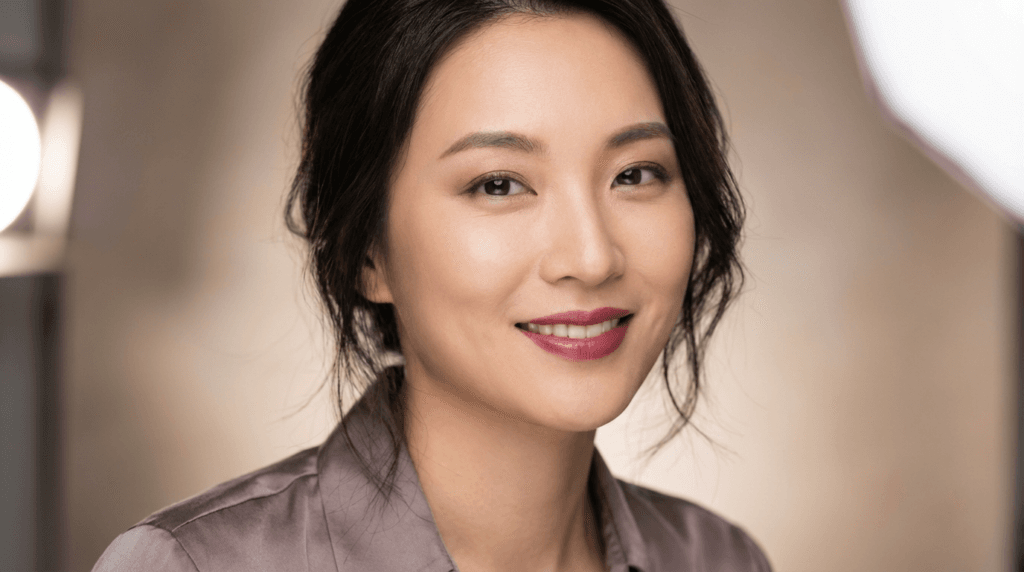
The quest for facial rejuvenation is a unique journey for individuals of Asian descent. Standard approaches of Western aesthetic surgery often fall short when faced with the distinct anatomical structure of the Asian face and cultural perceptions of beauty. This situation requires specialized expertise for those seeking natural and harmonious results.
The bone structure, skin characteristics, and aging dynamics of the Asian face demand a strategy different from traditional facelift techniques. The goal is to rejuvenate the face without “Westernizing” it, while preserving ethnic identity. This comprehensive guide will delve into the fundamental structural needs and cultural aesthetic preferences of the Asian facelift. Thus, light is shed on the conscious decision-making process.
Understanding the complex structure of the Asian face is the key to a successful facelift. Differences in skin thickness, fat distribution, and connective tissue directly affect surgical planning. Therefore, choosing an experienced surgeon who has mastered Asian facial anatomy is of vital importance. A natural appearance is only possible with this expertise.
Traditional facelift methods were generally developed for Western faces, which have thinner skin structures and different aging patterns. Direct application of these techniques to the Asian face can lead to unwanted results. For example, there is a risk of an overly tight appearance or the loss of ethnic features. For this reason, personalized, modified approaches are essential.
As the demand for facial rejuvenation rises rapidly in Asia, it is imperative for surgeons to respond to these specific needs. Patients’ expectations include not only eliminating signs of aging but also making facial contours more elegant and proportionate. This tests both the surgeon’s technical skill and aesthetic understanding.
This article will address 7 key elements of the Asian facelift. It will examine everything from anatomical differences to cultural aesthetic goals, and from special surgical techniques to the recovery process. Our aim is to present the most up-to-date and reliable information in this field. This way, patients can take the right steps in their own beauty journeys.

Table of Contents
Understanding the Unique Structure of Asian Facial Anatomy
The anatomical features of the Asian face differ significantly from the Western face. These differences require special approaches in facelift surgery. The surgeon’s deep understanding of these nuances is essential for natural and harmonious results.
Skeletal Structure and Facial Contours: Fundamental Differences
The Asian face typically has a wider and flatter midface. Cheekbones may be less prominent. The jaw angle often exhibits a wider structure. These skeletal features directly affect how the skin sags and the necessary lifting vectors. Lifting directions applied in Western faces can produce unwanted results in Asian faces.
A wider lower face and jawline popularize the search for a thinner and more elegant jawline known as the “V-line.” This aesthetic goal determines how the surgeon manipulates the bone structure and soft tissues. Preserving the general proportions of the face plays a critical role in this process.
Skin Characteristics and Aging Patterns: Specialized Approaches
Asian skin is generally thicker and contains more subcutaneous fat. Collagen structure also differs. This situation causes wrinkles to appear later in life. However, sagging can be more prominent, particularly in the jowl and neck areas. The thickness of the skin affects how the surgeon lifts and repositions tissues.
The risk of hyperpigmentation is higher in Asian skin. This requires special attention in post-surgical scar management and skincare protocols. Minimizing the visibility of scars is an important part of a successful outcome. Preserving skin quality is essential for long-term aesthetics.
Fat Distribution and Volume Loss: Targeted Treatments
The distribution of fat pads in the Asian face differs from the Western face. Generally, more prominent fat accumulation is observed in the lower face. Patterns of volume loss with age also differ. This determines how the surgeon integrates additional procedures such as fat grafting or liposuction.
Volume loss in the midface may not be as pronounced as in Western faces. However, volume restoration in certain areas is important for a youthful and full appearance. The surgeon must strategically add volume without disrupting the natural contours of the face. This strengthens the overall facial harmony.

Cultural Aesthetics: Harmonizing Beauty Ideals
In Asian facelifts, cultural aesthetic preferences are an integral part of surgical planning. Preserving the patient’s ethnic identity and highlighting their natural beauty is the surgeon’s primary goal. Avoiding a “Westernized” appearance is of critical importance in this process.
Preserving Ethnic Identity: Natural Refinement
The fundamental aim of an Asian facelift is to provide rejuvenation without altering the patient’s ethnic identity. This targets a subtle and natural refinement rather than radical changes. Preserving the face’s general proportions and characteristic features demonstrates the surgeon’s artistic ability. Patients should feel younger, but still look like themselves.
The surgeon must understand the patient’s cultural background and aesthetic expectations. This forms the foundation of a successful result. Emphasizing natural facial lines provides rejuvenation while strengthening ethnic identity. Striking this delicate balance requires expertise.
Desired Facial Shapes and Features: V-Line and Beyond
In Asia, specific facial shapes such as the “V-line” jawline are popular. A thinner and more elegant lower face is accepted as a symbol of youth and beauty. To achieve these goals, the surgeon may integrate techniques such as chin contouring or jaw reduction. However, it is essential that these procedures are compatible with the overall harmony of the face.
Preserving or slightly improving the eye shape is also important. Eyelid aesthetics is a procedure frequently combined with a facelift. Nose aesthetics also play a critical role in the overall balance of the face. Rhinoplasty aims to create a nose that is harmonious with other facial features. This holistic approach yields the best results.

Specialized Surgical Techniques for Asian Facelift
The unique anatomy of the Asian face requires modification of traditional facelift techniques. The surgeon must develop targeted approaches suitable for these specific needs. This is the only way to achieve natural and long-lasting results.
Modified SMAS and Deep Plane Approaches: Redefined Lifting
The thickness of Asian skin and the distinct characteristics of the SMAS (Superficial Musculoaponeurotic System) layer make the direct application of Western techniques difficult. Modified SMAS or deep plane facelift techniques take these differences into account. Vertical lifting vectors are used to effectively correct sagging patterns in the Asian face. This restores the face’s natural contours.
Deep plane facelifts lift the SMAS and muscle layer as a single unit, providing stronger and more natural rejuvenation. This technique repositions deep tissues without applying tension to the skin. The result is a smooth and youthful face, far from a “pulled” look. The surgeon’s mastery of these techniques is the key to success.
Targeting the Midface and Jowl Area: Precise Corrections
Sagging in the midface and jowl area is a prominent source of concern in the Asian face. The surgeon uses special techniques to lift the midface without over-volumizing it. Precision liposuction and tissue lifting procedures are applied to reduce sagging in the jowl area and define the jawline. This gives the lower part of the face a more elegant appearance.
Enhancing the sharpness of the jawline is an important feature of a youthful and attractive face. The surgeon carefully removes excess fat and sagging tissue in this area. Thus, the general proportions of the face are improved. These targeted corrections give the lower face a more refined look.
Neck Rejuvenation: Specific Challenges
Sagging and platysmal bands in the neck area present specific challenges in Asian patients. Submental fat (fat under the chin) is generally more abundant. This causes the neck area to appear fuller. Targeted liposuction and platysmaplasty (tightening of the neck muscles) are used to solve these problems.
A smooth transition between the neck and jawline is essential for a youthful profile. By tightening the neck muscles and removing excess fat, the surgeon creates a sharper jawline and a younger neck appearance. This contributes significantly to overall facial rejuvenation.
Adjunct Procedures: Enhancing General Harmony
While effective on its own, a facelift yields more comprehensive and harmonious results when combined with other facial aesthetic procedures. These combinations ensure rejuvenation across all areas of the face. The surgeon creates a personalized plan based on the patient’s needs.
Eyelid Surgery (Blepharoplasty): Rejuvenating the Gaze
Eyelid surgery (blepharoplasty) is frequently combined with the Asian facelift. Specifically, creating a double eyelid or refining an existing eyelid gives the gaze a youthful and vibrant expression. Signs of aging around the eyes significantly affect the overall appearance of the face. Therefore, rejuvenation of the eye area is part of a holistic approach.
Sagging or bagging in the upper and lower eyelids can cause a tired appearance. Blepharoplasty eliminates these issues, providing a more open and youthful gaze. The surgeon must achieve the best results while preserving the natural shape of the eye and ethnic characteristics. This strengthens overall facial harmony.
Rhinoplasty: Nose Shaping for Facial Balance
In the facial rejuvenation process, nose aesthetics (rhinoplasty) also play an important role. Rhinoplasty aims to create a balanced nose that is compatible with the newly rejuvenated face. Since the nose is located in the center of the face, its shape and size greatly affect general aesthetics. The surgeon must ensure harmony between the nose and other facial features.
Asian noses may often have a wider bridge and a less defined tip. Rhinoplasty can target goals such as thinning the nasal bridge, lifting the tip, or refining the overall shape. This improves the face’s general proportions and creates a more elegant profile. Combined approaches yield the most natural results.
Facial Fat Grafting: Restoring Youthful Volume
Volume loss occurring in the face with age can cause a tired and sunken appearance. Facial fat grafting is used to restore this volume naturally. Volume loss, particularly in the temples, cheeks, and under-eye areas, is effectively corrected with fat grafting. This contributes to three-dimensional facial rejuvenation.
Fat taken from the patient’s own body is processed and injected into the face. This eliminates the risk of allergic reactions and provides a natural result. Fat grafting complements the lifting effects of the facelift, creating a fuller and more youthful appearance. This enhances the overall harmony of the face.
Jawline Contouring and Reduction: V-Line Aesthetics
For Asian patients with wider jawlines, jawline contouring and reduction procedures are popular. These procedures aim to create a thinner and more elegant “V-line” jawline. When combined with a Facelift, dramatic improvement is achieved in the lower part of the face. This improves overall facial proportions.
Reduction of the jawbone or muscles are techniques used to reach this goal. The surgeon selects the most appropriate method by considering the general structure of the face and the patient’s aesthetic expectations. This ensures the face looks younger and more proportional. Such combinations offer comprehensive rejuvenation.
The Importance of Surgeon Selection and Consultation
In a specialized procedure like the Asian facelift, choosing the right surgeon is the foundation of success. The surgeon’s experience, expertise, and cultural sensitivity are vital for natural and satisfying results. This decision directly affects the patient’s aesthetic journey.
Expertise in Asian Facial Surgery: Understanding the Nuances
Selecting a surgeon who understands the nuances of Asian facial anatomy is a critical step. This expertise ensures avoiding the blind copying of techniques applied to Western faces. The surgeon must know the differences in Asian skin thickness, fat distribution, and bone structure. This knowledge is essential for creating a personalized surgical plan.
A surgeon who is board-certified and has received special training in Asian facial surgery offers safer and more effective results. An experienced surgeon is more competent in managing potential complications and achieving natural-looking results. It is recommended that patients review the surgeon’s past work and patient reviews.
Detailed Pre-operative Assessment: Realistic Expectations
A comprehensive pre-operative assessment is the foundation of a successful facelift. The surgeon must analyze the patient’s aesthetic goals, medical history, and facial anatomy in detail. Digital imaging techniques can assist in surgical planning and helping the patient visualize results. This builds realistic expectations.
Every angle of the patient’s face is carefully examined. Skin quality, elasticity, fat distribution, and bone structure are evaluated. The surgeon must communicate openly with the patient, explaining the potential benefits and limitations of the procedure. This transparency allows the patient to make an informed decision.
Communication and Cultural Sensitivity: Building Trust
The surgeon’s cultural sensitivity and effective communication skills are very important for patient satisfaction. Understanding the patient’s aesthetic ideals and cultural background helps the surgeon create the right plan. Some cultural preferences can directly affect surgical outcomes. Therefore, the surgeon needs to be master of these nuances.
Open and honest communication builds trust between the patient and the surgeon. Patients should be able to express their concerns and expectations comfortably. The surgeon must patiently answer the patient’s questions and provide full information about the procedure. This collaboration guarantees the best results.
Recovery and Post-Operative Care for Asian Patients
The recovery process after an Asian facelift requires some special attention due to skin characteristics. It is essential for the surgeon and patient to be aware of these differences for a smooth recovery. Post-operative care directly affects the quality of the final result.
Swelling and Bruising Management: Special Protocols
The thickness of Asian skin and its higher content of subcutaneous fat can cause post-operative swelling and bruising to be more prominent. The surgeon must apply special protocols to manage this situation. Cold compresses, keeping the head elevated, and certain medications help reduce swelling. The patient needs to be patient.
Strict adherence to the surgeon’s instructions during the recovery process is mandatory. Avoiding physical activities and getting adequate rest is important for rapid recovery. Swelling and bruising will subside over time. However, it is necessary to be careful during the first few weeks.
Scar Management: Reducing Hypertrophic Scar Risk
In some Asian skin types, the risk of developing hypertrophic scars or keloids is higher. Therefore, scar management is a critical part of post-operative care. The surgeon uses special techniques to minimize scars. Silicone gel sheets or creams may be recommended to reduce scar visibility.
Protecting scars from sunlight is also very important. Using sunscreen prevents the darkening of scars. The surgeon should provide detailed instructions on scar care. Regular follow-up appointments are necessary to monitor scar healing. A proactive approach yields the best results.
Long-Term Care: Preserving Results
A facelift does not stop the aging process. Therefore, continuous care is required to preserve results in the long term. Skincare, sun protection, and non-surgical treatments are important to maintain the rejuvenated appearance. The surgeon should offer a personalized care plan to the patient.
Non-surgical treatments like Botox or fillers can help address fine lines and volume loss. Laser treatments or chemical peels can improve skin texture and tone. These additional treatments complement the effects of the facelift. A long-term strategy increases the value of the investment.
The Lasting Value of a Specialized Asian Facelift
Investment in an Asian facelift offers long-term psychological and social benefits beyond just aesthetic improvement. When done correctly, this procedure boosts the individual’s self-confidence and raises their quality of life. This is an immeasurable value.
Natural, Harmonious Rejuvenation: A Refreshed Look
The ultimate goal of a specialized Asian facelift is natural and harmonious rejuvenation. Patients should look “refreshed” and “younger” rather than “different.” These results, achieved by preserving ethnic identity, strengthen the overall facial harmony. This reflects the surgeon’s artistic vision.
Skin not looking tight or artificial is a significant indicator of success. A natural result must be compatible with facial movements and not restrict expressions. This ensures the patient feels comfortable and confident. Long-lasting results increase the value of the investment.
Increased Confidence and Well-being: Inner Transformation
The deepest benefits of a facelift often emerge in the psychological and social realms. When patients feel their outer appearance aligns with their inner vitality, they experience a significant boost in self-confidence. This renewed sense of self can positively impact social interactions and professional opportunities.
A younger and rested appearance increases the individual’s general quality of life. Increased self-confidence leads to a more active social life and a more positive outlook. These intangible benefits are the most valuable returns on the investment made in a facelift. Aesthetic surgery transforms not only the outer appearance but also inner well-being.
What distinguishes an Asian facelift from a traditional facelift?
An Asian facelift takes into account the unique anatomical features and cultural aesthetic preferences of the Asian face. Factors such as thicker skin, different fat distribution, and bone structure require surgical approaches distinct from Western facelift techniques. The goal is to provide natural rejuvenation while preserving ethnic identity.
What are common aesthetic goals for Asian facelift patients?
Asian facelift patients typically seek a more elegant ‘V-line’ jawline, defined facial contours, and overall rejuvenation. Achieving a natural look while preserving ethnic identity is one of the most important goals. Eye area and nose aesthetics are also frequently combined.
Which anatomical features are unique in facelift surgery for Asian faces?
Asian faces generally have a wider and flatter midface, less prominent cheekbones, and wider jaw angles. The skin is thicker and has a different collagen structure. Fat distribution also differs from Western faces. These features directly affect surgical planning.
Is the risk of scarring higher for Asian patients?
Yes, in some Asian skin types, the risk of hypertrophic scar or keloid formation may be higher. Therefore, it is critically important for the surgeon to use special techniques to minimize scars and implement post-operative scar management protocols. Sun protection is also very important.
Can an Asian facelift achieve a ‘V-line’ jawline?
Yes, specialized Asian facelift techniques, when combined with jawline contouring and reduction procedures, can achieve a thinner and more elegant ‘V-line’ jawline. This gives the lower part of the face a younger and more proportional appearance. The surgeon’s experience in this area is important.
Why is it so important to choose an experienced surgeon for Asian facial surgery?
It is vital to choose a surgeon who understands the nuances of Asian facial anatomy and cultural aesthetic preferences. This expertise is necessary to achieve natural, harmonious results that preserve ethnic identity. An experienced surgeon is more competent in managing potential complications and meeting the patient’s expectations.