
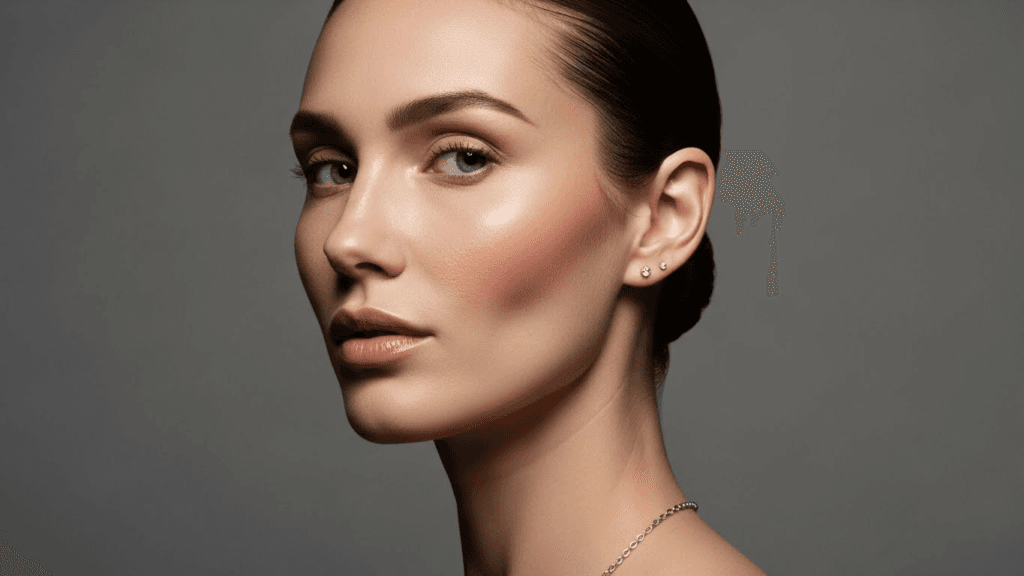
In the dynamic world of aesthetic medicine, the pursuit of a refined facial profile often leads individuals to a critical juncture: should one opt for the targeted sculpting of buccal fat removal or the comprehensive lifting power of a facelift? This question, far from being a simple choice, delves into the intricate interplay of facial anatomy, the nuances of aging, and the evolving landscape of beauty ideals. As we navigate 2025, the demand for facial contouring procedures continues to surge, driven by a collective shift towards more natural, defined, and harmonious appearances, moving away from the overfilled aesthetics of previous eras. Understanding the fundamental differences between these two powerful interventions—one designed to reduce volume and enhance definition, the other to reposition sagging tissues and restore youthful contours—is paramount for anyone considering a significant investment in their facial aesthetics.
The journey to a slimmer, more sculpted face is deeply personal, influenced by individual genetic predispositions, the natural aging process, and specific aesthetic aspirations. Buccal fat removal, a procedure gaining considerable traction among those seeking a more chiseled look, focuses on reducing the fullness in the lower cheeks that can create a “baby face” appearance. Conversely, a facelift addresses the broader signs of aging, such as sagging skin, jowls, and deep wrinkles, by lifting and tightening the underlying facial structures. This comprehensive guide aims to demystify these procedures, providing a granular analysis of their core principles, mechanistic details, real-world applications, and long-term implications. Our objective is to equip discerning individuals with the knowledge necessary to make an informed decision, ensuring their chosen path aligns perfectly with their vision for a refreshed and confident self.
The aesthetic trends of 2025 underscore a significant pivot towards subtlety and natural enhancement. The era of exaggerated fillers, which often led to an unnatural or “puffy” appearance, is gradually receding, making way for surgical solutions that offer more permanent and authentic results (Allure, 2025). This shift has propelled both buccal fat removal and various facelift techniques into the spotlight, as patients increasingly seek interventions that sculpt and lift without overtly announcing their presence. From the celebrity-driven interest in defined cheek hollows to the growing demand for comprehensive facial rejuvenation, the conversation around facial contouring is more sophisticated than ever. We will explore how these procedures, while distinct in their approach, collectively contribute to achieving a balanced and aesthetically pleasing facial harmony, reflecting the refined preferences of today’s patients.
Moreover, the impact of modern lifestyle factors, including significant weight loss often associated with GLP-1 medications, has introduced new considerations into facial aesthetics. Patients experiencing rapid weight reduction may find themselves with increased skin laxity and a hollowed facial appearance, prompting a reevaluation of their aesthetic needs (Allure, 2025). In such scenarios, the precise sculpting offered by buccal fat removal or the comprehensive lifting of a facelift becomes even more relevant. This article will delve into how these procedures can address such specific concerns, providing tailored solutions for a diverse patient demographic. By examining the intricacies of each technique, from the minimal invasiveness of a mini-facelift to the profound transformation of a deep plane facelift, we aim to provide a holistic understanding of the options available for achieving a slimmer, more youthful, and naturally contoured face.
Ultimately, the decision between buccal fat removal and a facelift is not a matter of superiority but rather one of suitability. Each procedure serves a distinct purpose, targets different anatomical areas, and yields unique outcomes. Our exploration will highlight the ideal candidates for each, the expected recovery processes, the longevity of results, and the financial considerations involved. We will also touch upon the potential for combining these procedures to achieve a more comprehensive transformation, emphasizing the importance of a personalized treatment plan developed in consultation with a board-certified plastic surgeon. By the conclusion of this authoritative guide, readers will possess a robust framework for evaluating their options, empowering them to embark on their facial rejuvenation journey with clarity, confidence, and realistic expectations for a truly transformative and enduring result.

Table of Contents
Understanding Facial Anatomy and Aging: The Foundation of Contouring
To truly appreciate the distinct roles of buccal fat removal and facelifts, it is essential to first grasp the fundamental aspects of facial anatomy and how it changes over time. The human face is a complex tapestry of bone, muscle, fat, and skin, all working in concert to define our unique appearance. Understanding these components provides the necessary context for differentiating between procedures designed for sculpting versus those focused on lifting.
The Role of Buccal Fat Pads in Facial Fullness
Deep within the mid-cheek area lie the buccal fat pads, distinct masses of fat that contribute significantly to the overall fullness and roundness of the lower face. These fat pads are genetically determined and often persist even in individuals with a lean body mass, giving some a “baby face” or overly full appearance (The Kaplan Center, n.d.). Unlike subcutaneous fat, which can fluctuate with weight changes, buccal fat pads are relatively stable. Their prominence can obscure the natural contours of the cheekbones and jawline, leading many to seek reduction for a more chiseled and defined appearance. Buccal fat removal directly targets these specific fat pads to create a slimmer facial profile.
The Effects of Aging on Facial Tissues
Aging is a multifaceted process that impacts all layers of the face. Over time, the skin loses its elasticity and collagen, leading to laxity and the formation of wrinkles. Simultaneously, the underlying facial fat pads, which provide youthful volume, begin to atrophy and descend due to gravity. This descent, combined with weakening connective tissues, results in the formation of jowls along the jawline, deepening of nasolabial folds (lines from the nose to the mouth), and a general flattening or hollowing of the mid-face. The neck also shows signs of aging, with loose skin and prominent bands. These changes collectively contribute to a tired, aged, or less defined appearance, which facelifts are specifically designed to address.
How Procedures Address Anatomical Changes
Buccal fat removal and facelifts tackle these anatomical changes in fundamentally different ways. Buccal fat removal is a subtractive procedure; it physically removes a portion of the buccal fat pads to reduce volume and enhance the natural bone structure, particularly the cheekbones and jawline (The Kaplan Center, n.d.). It is a sculpting procedure, refining existing contours. In contrast, a facelift is a restorative procedure. It involves lifting and repositioning the sagging skin, muscles, and deeper tissues (like the SMAS layer) to counteract the effects of gravity and volume loss (About Town, 2025). This lifting action tightens the jawline, reduces jowls, smooths the neck, and restores a more youthful position to the mid-face. While buccal fat removal focuses on reducing fullness, a facelift focuses on reversing the signs of gravitational aging and restoring youthful proportions.

Buccal Fat Removal: The Art of Sculpting a Chiseled Profile
Buccal fat removal, also known as bichectomy or cheek reduction surgery, has emerged as a prominent cosmetic procedure for individuals seeking a more defined and sculpted facial profile. This procedure specifically targets the buccal fat pads, which are naturally occurring fat deposits located in the hollow area of the cheeks. By reducing the size of these fat pads, surgeons can create a more chiseled appearance, enhancing the visibility of the cheekbones and jawline.
Detailed Explanation of the Procedure
The buccal fat removal procedure is considered minimally invasive, typically performed under local anesthesia or IV sedation. The surgeon makes a small incision, usually about 1 to 2 centimeters long, inside the mouth between the cheek and gums (The Kaplan Center, n.d.). This internal approach ensures that there are no visible external scars. Through this incision, the surgeon gently teases out and removes a portion of the buccal fat pad. The amount of fat removed is carefully determined by the surgeon to achieve a balanced and natural-looking result, avoiding an overly hollowed appearance. Once the desired amount of fat is removed, the internal incision is closed with dissolvable sutures. The entire procedure usually takes less than an hour (Dr. JJ Wendel, 2025).
Ideal Candidates and Real-World Applications
Ideal candidates for buccal fat removal are typically individuals with naturally full, rounded cheeks that do not slim down even with weight loss (The Kaplan Center, n.d.). They often desire more sculpted cheek hollows and a more defined jawline. This procedure is particularly popular among younger patients, often in their 20s to 40s, who have a “baby face” appearance due to prominent buccal fat pads. Celebrities and influencers have significantly contributed to the procedure’s rising popularity in 2025, with many opting for this subtle yet impactful transformation to enhance their cheekbones and achieve a more contoured facial profile (Docternist, 2025). The trend highlights a shift towards a natural, sculpted aesthetic, moving away from exaggerated features (Docternist, 2025).
Expected Results, Recovery, and Timeline
Immediately after the surgery, patients can expect some swelling and tenderness in the cheek area, which typically subsides within 5 to 7 days (The Kaplan Center, n.d.). Minimal aftercare is required, often involving rinsing the mouth with an antiseptic solution to prevent infection (Dr. JJ Wendel, 2025). Most patients begin to see noticeable results about one month post-surgery, with the final, more defined contour becoming fully visible within 2 to 3 months as all swelling resolves (The Kaplan Center, n.d.). The results of buccal fat removal are considered permanent, as the fat cells are physically removed and do not grow back. This permanence is a significant appeal for many, as it eliminates the need for regular maintenance unlike temporary fillers (Docternist, 2025).
Cost Range and Factors Influencing It
The cost of buccal fat removal varies significantly based on several factors, including geographic location, the surgeon’s expertise, and the reputation of the clinic. In 2025, the average cost typically ranges between $2,000 and $6,000 in the United States (Docternist, 2025). However, prices can be higher in luxury clinics or major metropolitan areas. International medical tourism destinations like Turkey and Mexico offer more competitive rates, sometimes 40% to 70% less than in the U.S., making the procedure more accessible globally (Docternist, 2025). It is crucial for patients to obtain a detailed cost breakdown during their consultation to understand all associated fees, which usually include the surgeon’s fee, anesthesia, and facility charges.
Limitations and Risks
While generally safe, buccal fat removal is not without its limitations and potential risks. The most significant concern is the possibility of an overly hollowed or gaunt appearance, especially as individuals age and naturally lose facial volume (Accio, 2025). This risk is particularly relevant for very lean individuals or those with naturally narrow faces, for whom the procedure is generally not recommended (The Kaplan Center, n.d.). Other potential risks include infection, asymmetry, and nerve damage, though these are rare when performed by a qualified, board-certified plastic surgeon. Surgeons emphasize the importance of moderation and careful patient selection to avoid undesirable long-term outcomes (Accio, 2025). Patients should have realistic expectations and discuss their long-term aesthetic goals thoroughly with their surgeon to ensure the procedure is appropriate for their unique facial anatomy and aging trajectory.

Facelift: The Science of Lifting and Rejuvenation
A facelift, or rhytidectomy, is a comprehensive surgical procedure designed to address the visible signs of aging in the face and neck. Unlike buccal fat removal, which focuses on volume reduction, a facelift aims to lift and reposition sagging tissues, tighten loose skin, and restore youthful contours. This procedure is a cornerstone of facial rejuvenation, offering significant and long-lasting improvements for moderate to advanced signs of aging.
Detailed Explanation of Facelift Techniques
Modern plastic surgery offers a spectrum of facelift techniques, each tailored to address varying degrees of facial aging and patient needs. The primary goal across all techniques is to lift and reposition the underlying facial structures, not just the skin, to achieve natural-looking and durable results. The most common techniques include:
- Mini-Facelift: This less invasive procedure uses shorter incisions, typically around the ears, to address mild sagging in the lower face and jowls. It focuses on tightening the superficial layers of tissue and offers quicker recovery with subtle rejuvenation (About Town, 2025; Dr. Chernoff, 2025). It is ideal for individuals with early signs of aging.
- SMAS Facelift: The Superficial Musculoaponeurotic System (SMAS) facelift is a more comprehensive approach. It involves lifting and repositioning the SMAS layer, which is a crucial layer of muscle and connective tissue beneath the skin. By addressing this deeper structure, the SMAS facelift provides more significant and longer-lasting correction for moderate to significant sagging in the mid-face, jowls, and neck (About Town, 2025). This technique avoids an unnatural “pulled” look by placing tension on the deeper tissues.
- Deep Plane Facelift: Considered the gold standard for comprehensive facial rejuvenation, the deep plane facelift is the most advanced technique. It involves dissecting and lifting the SMAS, muscle, and overlying fat and skin together as a single, composite unit. This approach allows for a powerful vertical lift of the mid-face, restoring youthful cheek contours and seamlessly improving the jawline and neck. The deep plane technique offers the most dramatic, natural, and longest-lasting results, often enduring for a decade or more (About Town, 2025; Dr. Chernoff, 2025).
Ideal Candidates and Expected Results
Ideal candidates for a facelift are typically individuals experiencing moderate to significant signs of facial aging, such as prominent jowls, deep nasolabial folds, sagging mid-face, and loose skin in the neck. They should be in good overall health, non-smokers, and have realistic expectations about the outcomes. The results of a facelift can be transformative, restoring a more youthful, refreshed, and natural appearance. Patients can expect a smoother jawline, reduced jowls, tightened neck skin, and a more elevated mid-face. The longevity of results varies by technique, with deep plane facelifts offering the most enduring outcomes (About Town, 2025).
Recovery and Longevity
Recovery from a facelift typically involves swelling, bruising, and some discomfort, which can be managed with medication. The initial recovery period usually lasts 2 to 4 weeks, with most visible signs subsiding within a month. Full results become apparent over several months as the tissues settle. The longevity of facelift results is a significant advantage, with improvements often lasting 8 to 12 years or even longer, especially with advanced techniques like the deep plane facelift (Allure, 2025). While a facelift effectively “resets the clock” on aging, it does not stop the natural aging process, and some patients may consider touch-up procedures many years later.
Cost Range and Influencing Factors
The cost of a facelift is a substantial investment and varies widely based on several critical factors. In 2025, the average cost for a facelift in the United States can range from approximately $8,000 to $50,000 or more (Dr. Chernoff, 2025). Key factors influencing the price include:
- Surgeon’s Expertise and Reputation: Highly experienced, board-certified plastic surgeons with a proven track record of successful outcomes typically command higher fees. Their skill and artistry are paramount for natural-looking results and reduced complication rates (Allure, 2025).
- Geographic Location: Prices can differ significantly between regions and cities. Major metropolitan areas with higher costs of living and greater demand often have higher surgical fees (Allure, 2025).
- Procedural Complexity: The chosen facelift technique (mini, SMAS, deep plane) directly impacts the cost, with more extensive and intricate procedures being more expensive due to longer surgical times and greater technical demands (Dr. Chernoff, 2025).
- Anesthesia and Facility Fees: These are separate components of the total cost, covering the anesthesiologist’s services and the use of the surgical suite. The type of anesthesia and the accreditation of the facility also play a role.
- Adjunctive Procedures: Combining a facelift with other procedures like eyelid surgery, brow lift, or fat grafting will increase the overall cost (Dr. Chernoff, 2025).
New Techniques and Trends
The field of facelift surgery continues to evolve. In 2025, there’s a growing trend towards facelifts for younger patients, often in their mid-40s and early 50s, who seek to address early signs of aging or correct issues arising from previous overfilling with injectables (Allure, 2025). Additionally, new techniques like the “quilting facelift,” developed abroad, are gaining attention for their potential to eliminate the need for drains and improve skin contour during healing, though they may involve a temporary “lizard scales” appearance (Allure, 2025). These advancements reflect a continuous effort to refine results, minimize downtime, and enhance patient safety and satisfaction.
Direct Comparison: Sculpting vs. Lifting for Facial Harmony
When considering facial aesthetic procedures, the choice between buccal fat removal and a facelift hinges on understanding their distinct objectives and how they address different aspects of facial contour and aging. While both can contribute to a slimmer and more youthful appearance, their mechanisms, target areas, and ideal outcomes are fundamentally different. This section provides a direct comparison to clarify which procedure might be best suited for specific aesthetic goals.
Target Area and Primary Goal
The most significant difference lies in the target area and primary goal of each procedure. Buccal fat removal is a sculpting procedure focused on the mid-cheek region. Its primary goal is to reduce excess volume in the buccal fat pads, thereby creating more defined cheek hollows and enhancing the visibility of the cheekbones and jawline (The Kaplan Center, n.d.). It is a subtractive process, removing fat to create a slimmer, more chiseled look. In contrast, a facelift is a lifting and tightening procedure that addresses the lower two-thirds of the face and the neck. Its primary goal is to reposition sagging skin, muscles, and deeper tissues to correct jowls, deep wrinkles, and neck laxity, restoring a more youthful and elevated contour (Dr. Chernoff, 2025). It is a restorative process, combating the effects of gravity and age-related tissue descent.
Invasiveness and Recovery
Buccal fat removal is generally considered less invasive than a facelift. It involves small internal incisions and typically has a quicker recovery period, with most swelling subsiding within 5 to 7 days (The Kaplan Center, n.d.). Patients can often return to normal activities relatively quickly. Facelifts, being more comprehensive surgical procedures, involve more extensive incisions (though often well-hidden) and a longer recovery period. Initial recovery, characterized by swelling and bruising, can last 2 to 4 weeks, with full results taking several months to manifest (Allure, 2025). The downtime associated with a facelift is more significant, requiring a greater commitment to the healing process.
Longevity of Results and Ideal Age Range
The results of buccal fat removal are permanent, as the fat cells are removed (Dr. JJ Wendel, 2025). However, it is crucial to consider that natural facial aging, including volume loss, will continue over time, which can potentially lead to an overly hollowed appearance years down the line if too much fat is removed initially (Accio, 2025). Buccal fat removal is typically ideal for younger individuals (20s-40s) with persistent facial fullness. Facelift results are long-lasting, often enduring for 8 to 12 years or more, depending on the technique (Allure, 2025). They effectively “reset the clock” on aging. Facelifts are generally recommended for individuals with moderate to significant signs of aging, typically in their 40s, 50s, and beyond, though younger patients are increasingly seeking them for early intervention or correction of filler-related issues (Allure, 2025).
Suitability for Different Concerns
Choosing between these procedures depends entirely on the primary cosmetic concern. If the main issue is a persistent roundness or fullness in the cheeks that creates a “baby face” and obscures cheekbone definition, buccal fat removal is the appropriate solution (The Kaplan Center, n.d.). It is a sculpting tool for specific areas of excess fat. If the primary concerns are sagging skin, jowls, deep wrinkles, and a loose neck, then a facelift is the more effective intervention. It is a lifting tool for overall facial rejuvenation. Buccal fat removal does not address skin laxity or sagging, and a facelift does not primarily reduce intrinsic cheek fullness.
When Combination Procedures Might Be Beneficial
In many cases, patients may benefit from a combination of both procedures to achieve a comprehensive lower-face transformation. For instance, an individual with both persistent cheek fullness and early jowling might opt for buccal fat removal to sculpt the mid-face, combined with a mini-facelift or submental liposuction to refine the jawline and neck (The Kaplan Center, n.d.; Dr. Chernoff, 2025). Combining procedures can sometimes be more cost-effective than undergoing them separately, as it consolidates anesthesia and facility fees. A personalized consultation with a qualified facial plastic surgeon is crucial to determine the most appropriate treatment plan, ensuring that the chosen approach addresses all aesthetic concerns and aligns with the patient’s unique facial anatomy and goals.
Evolving Aesthetics: Trends and Future Implications in Facial Contouring
The landscape of facial aesthetics is in constant flux, shaped by technological advancements, shifting beauty ideals, and evolving patient preferences. In 2025, several key trends are influencing the demand for both buccal fat removal and facelifts, highlighting a collective move towards more natural, subtle, and long-lasting results. Understanding these trends and their future implications is crucial for anyone navigating the complex world of facial contouring.
The “Undetectable Era” and Natural Results
A significant overarching trend in plastic surgery is the “Undetectable Era,” where patients increasingly seek results that enhance their natural beauty without appearing “done” or artificial (Accio, 2025). This aesthetic shift emphasizes facial harmony, balance, and subtle rejuvenation. For buccal fat removal, this means a careful and conservative approach to avoid an overly hollowed or gaunt look, which can prematurely age the face (Accio, 2025). For facelifts, it translates into techniques like the deep plane facelift, which repositions deeper tissues to create a natural lift without tension on the skin, resulting in a refreshed appearance that avoids the “pulled” look (About Town, 2025). The focus is on restoring youthful contours rather than drastically altering features, aligning with a desire for authenticity and timeless elegance.
Impact of GLP-1 Drugs: The “Ozempic Makeover”
The widespread use of GLP-1 medications for weight loss has introduced a new phenomenon in aesthetics: the “Ozempic Makeover.” While these drugs can lead to significant body weight reduction, they often result in rapid fat loss in the face, leading to a hollowed, gaunt, or prematurely aged appearance, sometimes referred to as “Ozempic face” (Allure, 2025). This sudden volume depletion can exacerbate skin laxity and make existing jowls more prominent. Consequently, plastic surgeons are observing an increased demand for facial procedures to address these changes. Facelifts are becoming more popular among these patients to tighten loose skin and restore lost facial volume, often combined with fat grafting to replenish areas that have become sunken (Allure, 2025; Accio, 2025). This trend underscores the evolving needs of patients and the adaptability of surgical solutions to new challenges.
Shift from Excessive Fillers to Surgical Solutions
The waning obsession with excessive dermal fillers is another critical trend shaping facial contouring in 2025. Many patients who previously relied on fillers for volume and definition are now experiencing “filler fatigue” or undesirable long-term effects, such as skin irregularities or an unnatural bulkiness (Allure, 2025). This has led to a reevaluation of injectables, with a growing number of individuals seeking surgical alternatives for more permanent and natural jawline definition and overall facial rejuvenation. Facelifts, even for younger patients in their mid-40s and early 50s, are increasingly being considered as a definitive solution to tighten the jawline and correct the aftermath of overfilling (Allure, 2025). This shift highlights a preference for surgical precision and longevity over temporary, and sometimes distorting, injectable treatments.
The Buccal Fat Pad Reversal Trend
Interestingly, while buccal fat removal has seen a surge in popularity, there is also an emerging trend of “buccal fat pad reversal.” Some patients who underwent buccal fat removal in the past are now seeking to restore lost volume due to an overly hollowed-out or aged appearance (About Town, 2025). This trend underscores the importance of conservative fat removal and careful patient selection, as facial volume naturally diminishes with age. It also highlights the dynamic nature of aesthetic preferences, with a current shift towards softer, more youthful fullness rather than extreme angularity (About Town, 2025). This reversal trend often involves facial fat grafting to replenish volume in the cheeks and other areas, demonstrating the continuous evolution of techniques to achieve optimal and harmonious results.
Importance of Personalized Consultation
Given these evolving trends and the highly individualized nature of facial anatomy and aging, the importance of a personalized consultation with a qualified, board-certified plastic surgeon cannot be overstated. A skilled surgeon will conduct a thorough assessment of the patient’s facial structure, skin quality, and aesthetic goals, taking into account their age, lifestyle, and any previous procedures. They will discuss the most appropriate surgical or non-surgical options, explain the potential outcomes, risks, and recovery process, and provide a transparent, itemized cost breakdown. This comprehensive approach ensures that patients make informed decisions that align with their long-term vision for facial harmony and rejuvenation, navigating the trends with expert guidance and a focus on safety and natural results.
Conclusion: Choosing Your Path to a Refined Facial Profile
The journey to a more refined and youthful facial profile is a significant personal decision, one that involves careful consideration of individual aesthetic goals, anatomical realities, and the distinct capabilities of various cosmetic procedures. As we have explored, both buccal fat removal and facelifts offer powerful solutions for facial contouring, yet they serve fundamentally different purposes. Buccal fat removal excels at targeted sculpting, reducing intrinsic cheek fullness to reveal a more chiseled and defined mid-face. In contrast, a facelift provides comprehensive lifting and tightening, effectively reversing the visible signs of aging across the lower face and neck by repositioning sagging tissues and restoring youthful contours. The choice between these two, or indeed a combination of both, is not about which is “better,” but rather which is “right” for your unique needs and aspirations.
The aesthetic landscape of 2025 is characterized by a discerning preference for natural, subtle, and long-lasting results. This shift away from exaggerated or artificial enhancements underscores the value of surgical interventions that work in harmony with one’s natural features. The rising popularity of both buccal fat removal, driven by a desire for sculpted cheek hollows, and various facelift techniques, sought for their profound rejuvenating effects, reflects this evolving standard. Furthermore, external factors such as the “Ozempic Makeover” phenomenon, where rapid weight loss can lead to facial hollowing and increased skin laxity, highlight the dynamic challenges that modern aesthetic medicine must address. In this context, the precision of surgical solutions becomes increasingly vital in restoring balance and vitality to the face.
Understanding the mechanistic details of each procedure is crucial for setting realistic expectations. Buccal fat removal, with its internal incisions and permanent fat reduction, offers a straightforward path to a slimmer mid-face, ideal for those with genetically full cheeks. Its recovery is typically swift, making it an attractive option for individuals seeking minimal downtime. Facelifts, ranging from the less invasive mini-facelift to the comprehensive deep plane technique, involve more extensive tissue manipulation to lift and tighten, providing a more dramatic and enduring reversal of age-related sagging. While the recovery period for a facelift is longer, the longevity of its results, often lasting a decade or more, represents a significant long-term investment in facial rejuvenation. Each procedure, therefore, presents a unique value proposition, demanding a thorough understanding of its scope and impact.
Beyond the physical transformations, the psychological and social returns on investment from facial contouring procedures are often profound. Patients frequently report a significant boost in self-confidence, a renewed sense of self-alignment, and an enhanced quality of life when their outer appearance better reflects their inner vitality. This intangible value, though not quantifiable in monetary terms, is a powerful motivator for many. The ability to present a refreshed and confident image can positively influence social interactions, professional opportunities, and overall well-being. Therefore, the decision to undergo buccal fat removal or a facelift extends beyond mere aesthetics, touching upon deeper aspects of personal empowerment and self-perception.
In conclusion, whether your goal is to sculpt a more defined mid-face through buccal fat removal or to achieve comprehensive rejuvenation and lifting with a facelift, the path forward demands careful consideration and expert guidance. The key to a successful outcome lies in a personalized approach, beginning with a detailed consultation with a board-certified plastic surgeon. Such a specialist possesses the deep understanding of facial anatomy, the technical skill, and the artistic vision necessary to craft a treatment plan tailored to your unique features and aspirations. They will provide transparent information on costs, risks, and expected results, empowering you to make a confident and informed decision. Embrace the opportunity to explore these advanced aesthetic solutions, and embark on a journey that promises not just a slimmer or more youthful face, but a renewed sense of confidence and harmony that endures for years to come.
What is the main difference between buccal fat removal and a facelift?
Buccal fat removal is a sculpting procedure that reduces excess fat in the mid-cheeks to create a more chiseled look. A facelift is a lifting procedure that repositions sagging skin and tissues in the lower face and neck to address jowls, wrinkles, and laxity, restoring a youthful contour.
Who is an ideal candidate for buccal fat removal?
Ideal candidates typically have naturally full, rounded cheeks that persist even with weight loss and desire more defined cheek hollows and a sculpted jawline. It is often sought by younger individuals (20s-40s) with a ‘baby face’ appearance.
Who is an ideal candidate for a facelift?
Ideal candidates are individuals with moderate to significant signs of facial aging, such as prominent jowls, deep nasolabial folds, sagging mid-face, and loose neck skin. They are typically in their 40s, 50s, or older, though younger patients are increasingly considering it.
Are the results of buccal fat removal permanent?
Yes, the results of buccal fat removal are considered permanent because the fat cells are physically removed. However, natural facial aging will continue, and some individuals may experience an overly hollowed appearance years later if too much fat was removed initially.
How long do facelift results typically last?
The longevity of facelift results varies by technique, but generally, improvements can last from 8 to 12 years or even longer, especially with advanced techniques like the deep plane facelift. It effectively ‘resets the clock’ on aging.
Can buccal fat removal and a facelift be combined?
In many cases, these procedures can be combined to achieve a more comprehensive facial transformation. For example, buccal fat removal can sculpt the mid-face, while a mini-facelift or submental liposuction can refine the jawline and neck. A personalized consultation will determine the best approach.
Bibliography
- About Town. (2025, March 17). 5 Cosmetic Surgery Procedures Gaining Popularity in 2025. Retrieved from https://abouttown.io/features/5-cosmetic-surgery-procedures-gaining-popularity-in-2025/
- Accio. (2025, May 22). Buccal Removal Trend 2025: Social Media Impact & Surgical Alternatives. Retrieved from https://www.accio.com/business/buccal_removal_trend
- Siegel, E. (2024, November 22). These Will Be the Biggest Plastic Surgery Trends of 2025. Allure. Retrieved from https://www.allure.com/story/plastic-surgery-trends-2025
- Dr. Chernoff Plastic Surgery. (2024, December 30). Top Plastic Surgery Trends for 2025. Retrieved from https://drchernoff.com/top-plastic-surgery-trends-for-2025/
- Elona. (2025, August 8). Why Buccal Fat Removal Is 2025’s Celebrity Beauty Trend. Docternist. Retrieved from https://www.docternist.com/buccal-fat-removal-is-2025s-celebrity-trend/
- Dr. J. J. Wendel Plastic Surgery. (2025, March 5). Buccal Fat Removal’s Rising Popularity for a More Contoured Face. Retrieved from https://www.drjjwendel.com/plastic-surgery-news/buccal-fat-removals-rising-popularity-for-a-more-contoured-face/
- The Kaplan Center. (n.d.). Face Liposuction vs. Buccal Fat Removal: Which Contouring Option Is Right for You? Retrieved from https://thekaplancenter.com/blog/face-liposuction-vs-buccal-fat-removal-which-contouring-option-is-right-for-you/