
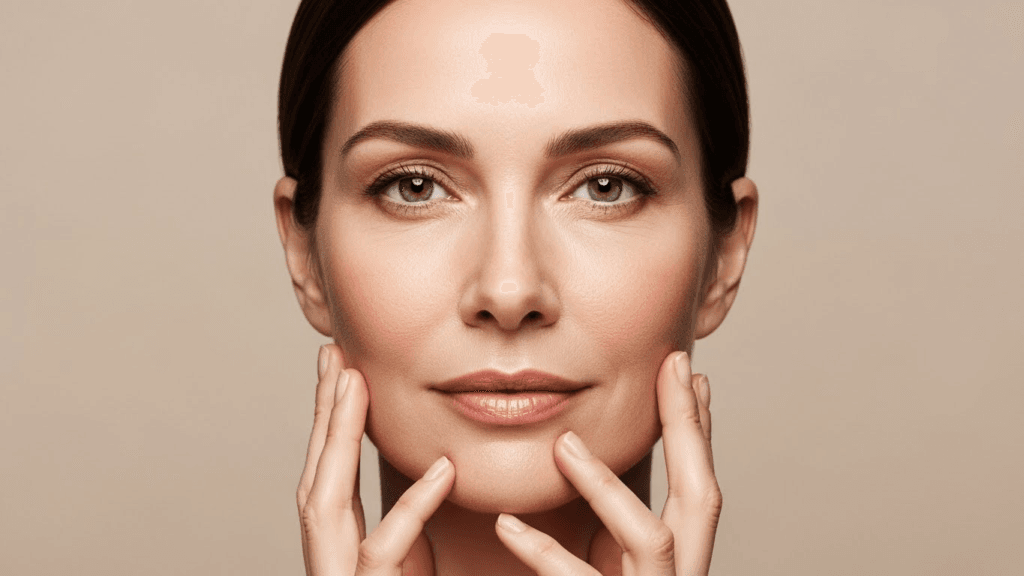
The quest for a refreshed and more youthful facial appearance often leads individuals to explore various cosmetic procedures. Among these, the facelift stands as a cornerstone of comprehensive facial rejuvenation. However, a common and understandable concern arises for many considering this significant step: “Does a facelift change your eye shape?” This question delves into the intricate relationship between facial lifting techniques and the delicate periorbital region, the area surrounding the eyes. It is a crucial inquiry, as the eyes are central to facial expression and identity.
This comprehensive guide aims to clarify the impact of facelifts on eye shape, distinguishing between the primary goals of different surgical interventions. We will explore how modern facelift techniques are designed to address sagging skin and underlying tissues in the mid-to-lower face and neck, and how these procedures interact with the eye area. Understanding this distinction is vital for anyone seeking to make an informed decision about their aesthetic journey, ensuring that expectations align with the capabilities of contemporary plastic surgery.
The perception of eye shape can be influenced by many factors, including the condition of the surrounding skin and tissues. As individuals age, the skin around the eyes and on the face can lose elasticity, leading to drooping eyelids, under-eye bags, and a general tired appearance. While a facelift primarily targets the lower two-thirds of the face, its effects can indirectly influence the overall facial harmony, including how the eyes are perceived. This article will meticulously examine the direct and indirect effects of facelifts, as well as related procedures like blepharoplasty, on the appearance of the eyes.
Our discussion will also highlight the critical role of a skilled and experienced surgeon in preserving natural eye aesthetics and preventing undesirable outcomes. The goal of any facial rejuvenation procedure is to enhance natural beauty, not to fundamentally alter one’s inherent features. By providing a detailed analysis of surgical techniques, potential changes, and the importance of expert care, this guide seeks to empower individuals with the knowledge needed to approach facial cosmetic surgery with confidence and clarity.
Ultimately, the answer to whether a facelift changes eye shape is nuanced. While a traditional facelift does not directly alter the structure of the eye itself, the repositioning of facial tissues can certainly affect the surrounding contours and the overall perception of the eyes. We will delve into the specifics of how different procedures contribute to a rejuvenated look, ensuring that the lateral canthus, the outer corner of the eye, is preserved and not distorted. This deep dive will provide a definitive resource for understanding the subtle yet significant interplay between facelifts and eye aesthetics.

Table of Contents
Facelifts: Rejuvenating the Lower Face and Neck
A facelift, known medically as rhytidectomy, is a surgical procedure designed to reduce visible signs of aging in the face and neck. Its primary focus is on tightening loose skin, smoothing deep wrinkles, and repositioning sagging facial tissues. This intervention typically addresses concerns such as jowls along the jawline, deep folds extending from the nose to the corner of the mouth, and loose skin and fat under the chin and neck. The goal is to restore a more youthful and rested appearance to the lower two-thirds of the face (Dr. Kopelman, 2025).
It is important to understand that a facelift primarily works on the mid-face, lower face, and neck. The incisions are typically made along the hairline and around the ears, allowing the surgeon to lift and reposition the underlying muscle and fat, and then redrape the skin. This process effectively tightens the jawline and neck, creating a smoother contour. However, these incisions and the areas of tissue manipulation are generally distinct from the immediate periorbital region, meaning a facelift does not directly target the eye structure itself (Dr. Guy Facial Plastic Surgery, 2023).
Direct vs. Indirect Effects on Eye Appearance
While a facelift does not directly alter the shape of the eyes, it can have indirect effects on their overall appearance. By lifting and tightening the skin and tissues of the mid-face, a facelift can subtly elevate the cheeks and improve the transition from the lower eyelid to the cheek. This can create a more harmonious and youthful facial contour, which in turn can make the eyes appear more open and refreshed. The reduction of sagging in the mid-face can lessen the appearance of hollowness or shadows beneath the eyes, contributing to a brighter look (Dr. Persky, 2024).
However, these are secondary effects. The facelift’s main objective remains the lower face and neck. Any perceived change in eye shape is typically a result of the improved support and elevation of the surrounding facial structures, rather than a direct modification of the eyelid or eye itself. A skilled surgeon will always aim for a balanced and natural result, ensuring that the rejuvenated lower face complements the existing eye features without creating an unnatural or “pulled” appearance around the eyes (Faces, PLLC, n.d.).

Blepharoplasty: The Eyelid Specialist
When the concern specifically revolves around the eyes, the procedure of choice is typically blepharoplasty, commonly known as eyelid surgery. This surgical intervention is designed to address excess skin, fat, and muscle in the upper and/or lower eyelids. Unlike a facelift, blepharoplasty directly targets the periorbital area to rejuvenate the eyes, making them appear more alert, rested, and youthful (LEA Plastic Surgery, 2024).
Upper Blepharoplasty and Eye Shape
Upper blepharoplasty focuses on the upper eyelids. As people age, excess skin can accumulate, creating “hooded” eyelids that can make one look tired or even obstruct vision. This procedure involves carefully removing this redundant skin, and sometimes a small amount of fat or muscle, through an incision hidden in the natural crease of the eyelid. The primary outcome is a more open and defined upper eyelid, which can significantly improve the overall appearance of the eyes (LEA Plastic Surgery, 2024).
While upper blepharoplasty can make the eyes appear more open and less “hooded,” it does not fundamentally change the structural shape of the eye itself. The goal is to restore a more youthful contour to the eyelid, revealing more of the eye that was previously obscured by sagging skin. Patients often report looking happier, more rested, and more alert after the procedure (Dr. Persky, 2024).
Lower Blepharoplasty and Eye Shape
Lower blepharoplasty addresses concerns beneath the eyes, such as puffiness, “bags,” and fine wrinkles. This procedure involves removing or repositioning fat deposits and tightening loose skin and muscle in the lower eyelid area. Incisions can be made just below the lash line or inside the eyelid (transconjunctival approach) to minimize visible scarring. The result is a smoother, more refreshed under-eye area, reducing the appearance of fatigue (Dr. Guy Facial Plastic Surgery, 2023).
Similar to upper blepharoplasty, lower eyelid surgery aims to rejuvenate the area without altering the natural shape of the eye. By smoothing out puffiness and tightening the skin, the eyes can appear brighter and more vibrant. While the appearance of the eye area is significantly improved, the underlying structure of the eye remains unchanged. The procedure enhances natural beauty rather than transforming the eye’s inherent form (Dr. Kopelman, 2025).
The Nuance of “Change”: Appearance Versus Structure
The question of whether a facelift or blepharoplasty changes eye shape often hinges on the distinction between altering the eye’s fundamental structure and refining its appearance. Most reputable plastic surgeons emphasize that these procedures are designed to enhance natural features, not to create an entirely new eye shape. However, the removal of excess skin and fat can indeed lead to a noticeable alteration in how the eyes are perceived (Dr. Guy Facial Plastic Surgery, 2023).
For instance, when heavy, sagging upper eyelid skin is removed during blepharoplasty, the eyes will naturally appear more open and less “squinted.” This can give the impression of a larger or more rounded eye, even though the actual shape of the eyeball and its bony orbit remains unchanged. Similarly, addressing under-eye bags can eliminate shadows and puffiness, making the eyes look brighter and more alert. These are changes in appearance, contributing to a more youthful and rested look, rather than a structural transformation (Schoemann Plastic Surgery, n.d.).
Ensuring the Lateral Canthus is Not Distorted
A critical aspect of both facelift and blepharoplasty procedures, particularly concerning eye aesthetics, is the careful management of the lateral canthus. This is the outer corner where the upper and lower eyelids meet. Distortion of the lateral canthus can lead to an unnatural, pulled-down, or rounded appearance of the eye, often referred to as “round eye” or ectropion. Preventing this complication is a hallmark of skilled surgical technique (Taban MD, n.d.).
During a facelift, while the primary focus is on the mid and lower face, the skin tightening in the temporal region (near the temples) must be meticulously performed to avoid any undue tension on the lateral canthus. An experienced surgeon understands the delicate anatomy of this area and will employ techniques that lift the facial tissues without pulling on the eyelids. This ensures that the natural almond shape of the eye is preserved and enhanced by the overall facial rejuvenation, rather than compromised (Faces, PLLC, n.d.).
In blepharoplasty, especially lower blepharoplasty, the surgeon must be particularly cautious to prevent lower eyelid retraction or ectropion. This involves precise removal of skin and fat, and sometimes a canthopexy or canthoplasty procedure to reinforce or reposition the lateral canthus. These techniques are employed to maintain or restore the natural upward slant of the outer corner of the eye, ensuring a refreshed look without an artificial appearance (Taban MD, n.d.). The goal is always to achieve a natural, balanced outcome that respects the individual’s unique facial anatomy.
Procedures That Can Directly Alter Eye Shape
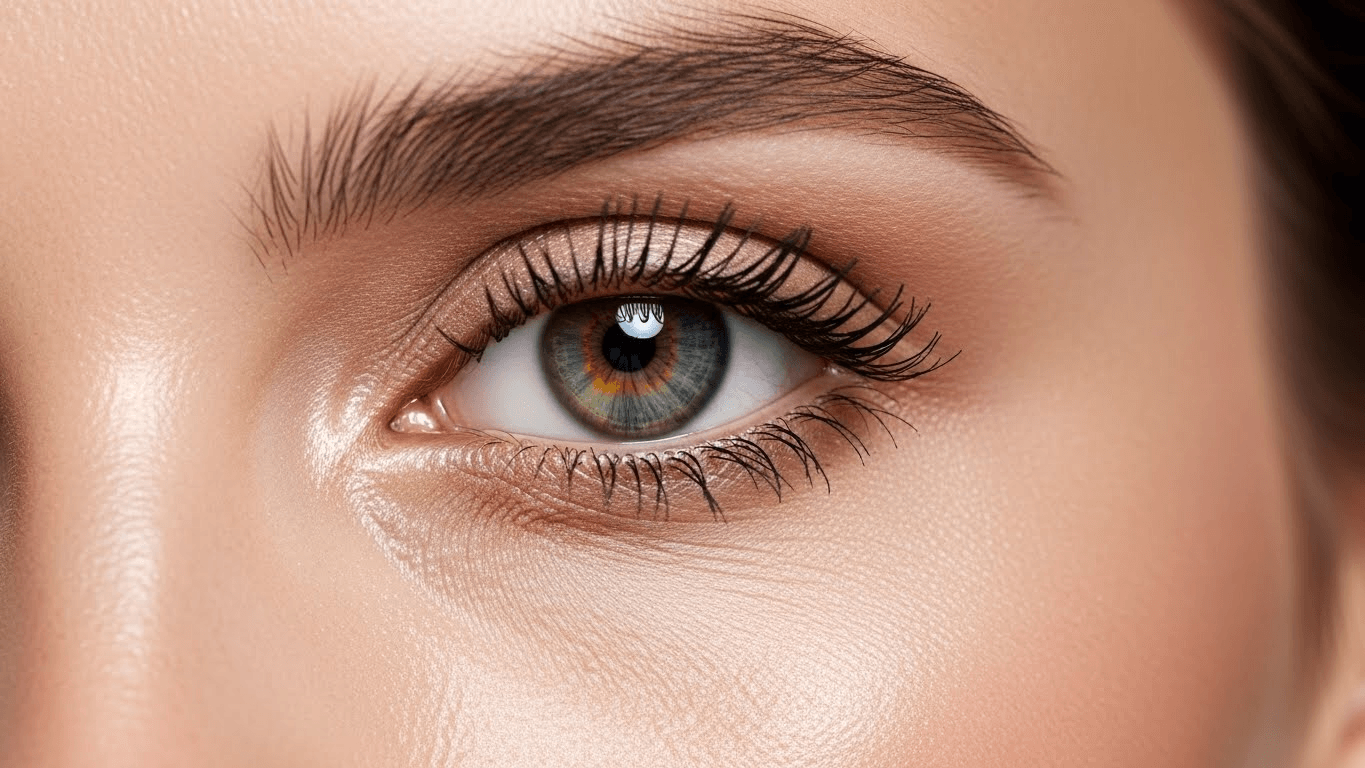
While facelifts and standard blepharoplasty procedures primarily focus on rejuvenating the existing eye and facial contours, there are specific surgical interventions designed to directly alter the structural shape of the eyes. These procedures are distinct from traditional anti-aging surgeries and are typically sought by individuals desiring a more significant modification to their eye shape (Taban MD, n.d.).
Canthoplasty and Almond Eye Surgery
Canthoplasty is a surgical procedure that specifically modifies the outer corner of the eye, the lateral canthus. It can be performed to lift a drooping lateral canthus, correct a rounded eye appearance, or create a more upward slant, often desired for an “almond eye” or “fox eye” look. This involves tightening or repositioning the canthal tendon, which supports the outer corner of the eyelid. Canthoplasty can significantly alter the horizontal dimension and angle of the eye, making it a procedure that directly changes eye shape (Dr. Kopelman, 2025).
Almond eye surgery is a broader term that often encompasses canthoplasty, sometimes combined with other techniques, to achieve a more elongated and upturned eye shape. These procedures are complex and require a highly specialized oculoplastic surgeon to ensure natural-looking and functional results. They are not typically part of a standard facelift or blepharoplasty, but rather separate interventions for specific aesthetic goals related to eye shape modification (Taban MD, n.d.).
Other Eye-Modifying Procedures
Other procedures can also influence eye shape. Epicanthoplasty, for example, addresses the epicanthal fold, a skin fold of the upper eyelid that covers the inner corner of the eye, common in some Asian ethnicities. By modifying this fold, the inner corner of the eye can be exposed, making the eye appear longer horizontally. Ptosis surgery, which corrects a droopy upper eyelid (ptosis), can also make the eye appear more open and symmetrical, indirectly affecting the perceived shape (Taban MD, n.d.).
Orbital decompression surgery, typically performed for bulging eyes (exophthalmos), can reduce the prominence of the eyeball, which in turn can alter the overall eye contour and shape. These procedures are highly specialized and are performed when there is a specific medical or aesthetic indication for altering the eye’s structural position or surrounding tissues. A thorough consultation with an expert oculoplastic surgeon is essential to determine the most appropriate approach for desired eye shape changes (Taban MD, n.d.).
The Critical Role of Surgeon Expertise and Patient Expectations
The success of any facial cosmetic procedure, especially those involving the delicate eye area, hinges significantly on the surgeon’s expertise and the patient’s realistic expectations. Choosing a highly qualified, board-certified facial plastic or oculoplastic surgeon is paramount to achieving natural-looking results and minimizing the risk of complications, including undesirable changes to eye shape (Dr. Kopelman, 2025).
The Value of a Board-Certified Specialist
A board-certified surgeon possesses extensive training in facial anatomy and surgical techniques. Their expertise allows for a meticulous approach to tissue manipulation, ensuring that lifts and excisions are performed precisely to enhance natural contours without creating an artificial or distorted appearance. This is particularly crucial when working around the eyes, where even subtle changes can have a significant impact on overall facial aesthetics (Dr. Guy Facial Plastic Surgery, 2023).
During the consultation, an experienced surgeon will conduct a thorough assessment of the patient’s facial structure, skin quality, and specific concerns. They will discuss the patient’s aesthetic goals in detail, explaining what can realistically be achieved with a facelift or blepharoplasty. This includes clarifying that while these procedures can make the eyes appear more open and refreshed, they are not designed to fundamentally change the inherent shape of the eye itself, unless specific eye-modifying procedures like canthoplasty are also performed (Dr. Persky, 2024).
Setting Realistic Expectations
Patients must have realistic expectations about the outcomes of their surgery. While the desire for a more youthful appearance is natural, understanding the limitations and capabilities of each procedure is essential. A facelift will rejuvenate the lower face and neck, and blepharoplasty will refresh the eyelids. Neither procedure will transform one’s eye shape into something entirely different from their natural anatomy (Dr. Kopelman, 2025).
Temporary swelling and bruising are common after both facelift and blepharoplasty procedures. During the initial recovery phase, the eyes may appear unusual or slightly different due to this swelling. It is important for patients to understand that these are temporary effects and that the final, natural-looking results will emerge as the healing process progresses. Adhering to post-operative care instructions and maintaining open communication with the surgical team are vital for a smooth recovery and optimal outcome (Dr. Kopelman, 2025).
Conclusion: Preserving Natural Beauty Through Precision
The question of whether a facelift changes eye shape is a common and valid concern for individuals considering facial rejuvenation. As we have explored, a traditional facelift primarily targets the mid-to-lower face and neck, effectively addressing sagging skin, jowls, and deep wrinkles to restore a more youthful contour. While the overall facial tightening can indirectly contribute to a more refreshed appearance around the eyes, it does not fundamentally alter the structural shape of the eyes themselves.
For concerns specifically related to the eyelids, blepharoplasty is the specialized procedure. Upper and lower blepharoplasty remove excess skin and fat, making the eyes appear more open, alert, and youthful, but without changing the inherent shape of the eye. The perceived “change” is typically a refinement of existing features, revealing the natural beauty that may have been obscured by the effects of aging.
Crucially, preventing undesirable changes, such as distortion of the lateral canthus, is a testament to a surgeon’s skill and meticulous technique. A highly experienced, board-certified facial plastic or oculoplastic surgeon understands the delicate balance required to achieve harmonious results, ensuring that the eyes remain natural and expressive. Procedures like canthoplasty or almond eye surgery are distinct interventions specifically designed for structural eye shape modification, and they are typically performed when a patient explicitly desires such a change.
Ultimately, the journey of facial rejuvenation is about enhancing one’s natural beauty and restoring a sense of vitality. It is not about creating an entirely different person. By choosing a qualified surgeon, engaging in thorough consultations, and maintaining realistic expectations, individuals can confidently pursue procedures that align with their aesthetic goals, knowing that their unique eye shape will be respected and preserved. The true art of facial plastic surgery lies in achieving a refreshed and natural look that reflects the inner self, without compromising the defining features of one’s identity.
If you are considering a facelift or blepharoplasty and have questions about how these procedures might affect your eye appearance, we encourage you to seek a consultation with a board-certified facial plastic surgeon. A personalized assessment and detailed discussion will provide the clarity and confidence you need to make the best decision for your aesthetic future.
Does a facelift directly change the shape of my eyes?
No, a traditional facelift primarily addresses sagging skin and tissues in the mid-to-lower face and neck. It does not directly alter the structural shape of your eyes. Any perceived change is usually an indirect effect of the surrounding facial tissues being lifted and tightened, which can make the eyes appear more open and refreshed.
What procedure is specifically designed to rejuvenate the eyelids?
Blepharoplasty, or eyelid surgery, is the procedure specifically designed to rejuvenate the eyelids. Upper blepharoplasty removes excess skin from the upper eyelids, while lower blepharoplasty addresses puffiness and bags under the eyes. Both aim to create a more alert and youthful appearance without changing the eye’s fundamental shape.
Can eyelid surgery make my eyes look different?
Yes, eyelid surgery can make your eyes look different by removing excess skin and fat that may have caused them to appear tired, hooded, or smaller. The goal is to restore a more open, refreshed, and youthful appearance, but the underlying structural shape of your eyes remains the same.
What is the lateral canthus, and why is it important in eye surgery?
The lateral canthus is the outer corner where your upper and lower eyelids meet. It is crucial in eye surgery because its position and angle contribute significantly to your eye shape. A skilled surgeon takes great care to ensure the lateral canthus is not distorted during procedures like blepharoplasty or facelifts, preventing an unnatural or pulled-down appearance.
Are there any procedures that can actually change my eye shape?
Yes, specific procedures like canthoplasty and almond eye surgery are designed to directly alter the structural shape of the eyes. Canthoplasty modifies the outer corner of the eye to lift it or create a more upturned slant. These are distinct from standard facelifts or blepharoplasty and are performed for specific aesthetic goals related to eye shape modification.
How important is choosing an experienced surgeon for eye-related procedures?
Choosing a highly experienced, board-certified facial plastic or oculoplastic surgeon is paramount. Their expertise ensures precise techniques that preserve natural eye aesthetics and minimize complications. A skilled surgeon will also provide realistic expectations, explaining what can be achieved while maintaining your unique facial harmony.
Bibliography
- Dr. Guy Facial Plastic Surgery. (2023). Will Blepharoplasty Change The Shape of My Eyes? Retrieved from https://drguyfacialplastics.com/will-blepharoplasty-change-the-shape-of-my-eyes/
- Dr. Kopelman. (2025). Can Blepharoplasty Change the Shape of Eyes? Retrieved from https://drkopelman.com/can-blepharoplasty-change-the-shape-of-eyes/
- Dr. Persky. (2024). Blepharoplasty Before and After: Does Upper Blepharoplasty Change Eye Shape? Retrieved from https://www.drpersky.com/blepharoplasty-before-and-after-does-upper-blepharoplasty-change-eye-shape/
- Faces, PLLC. (n.d.). Will an Eyelid Lift Change My Eye Shape? Retrieved from https://www.facesdr.com/will-an-eyelid-lift-change-my-eye-shape/
- LEA Plastic Surgery. (2024). Upper Blepharoplasty and Eye Shape: What Changes Can You Expect? Retrieved from https://leaplasticsurgery.com/blogs/upper-blepharoplasty-and-eye-shape-what-changes-can-you-expect/
- Schoemann Plastic Surgery. (n.d.). Will a Blepharoplasty Change the Shape of My Eyes? Retrieved from https://schoemannplasticsurgery.com/blog/will-a-blepharoplasty-change-the-shape-of-my-eyes/
- Taban MD. (n.d.). Eye Shape Change. Retrieved from https://tabanmd.com/eye-shape-change/