

The quest for a refreshed and more youthful appearance often leads individuals to consider a facelift. However, the question of “What is the best age for a facelift?” is far more intricate than a simple number on a calendar. Recent data and expert insights reveal a significant evolution in how facial rejuvenation is approached, challenging traditional notions and emphasizing a highly personalized timeline (Orange County Plastic Surgery, 2025). This comprehensive guide aims to demystify the optimal timing for a facelift, moving beyond chronological age to explore the multifaceted factors that truly influence successful and natural-looking outcomes.
Historically, facelifts were often associated with individuals in their late 50s or 60s, when signs of aging became undeniably prominent (Orange County Plastic Surgery, 2025). However, the landscape of facial plastic surgery has undergone a remarkable transformation. The American Academy of Facial Plastic and Reconstructive Surgery’s 2024 survey indicates that 67% of facial plastic surgeons report their average facelift patient is trending younger, with a notable increase in procedures for those in their 30s and 40s (Orange County Plastic Surgery, 2025). This shift underscores a fundamental change in strategy: a move towards maintaining youthful contours rather than solely reversing advanced aging.
The central thesis of this article is that the “best age” for a facelift is not a fixed point but rather a dynamic window determined by a confluence of individual factors. These include the specific signs of aging present, the quality and elasticity of the skin, underlying facial anatomy, lifestyle habits, overall health, and personal aesthetic goals (Carolina Cosmetic Surgery, 2025; AestheticMatch, 2025; Dr. Nima Plastic Surgery, 2025). For instance, some individuals may exhibit early jowling or neck laxity in their late 30s or early 40s due to genetics or significant weight loss, making them suitable candidates for less invasive procedures (Thomassen Plastic Surgery, 2025). Conversely, healthy individuals in their 70s can still achieve remarkable and natural results with a tailored surgical plan (Dr. Nima Plastic Surgery, 2025; Dr. Patt, 2025).
Understanding the subtle interplay between these elements and chronological age is crucial for making an informed decision. We will delve into how aging impacts facial structure, differentiating between the effects of bone loss, fat pad shifts, and collagen degradation. We will also compare the benefits of early intervention with less invasive techniques versus more comprehensive procedures for advanced aging. Furthermore, we will debunk common myths surrounding facelift timing and discuss critical safety considerations across different age groups. By the conclusion of this deep-dive, readers will possess a robust framework for evaluating their personal readiness, empowering them to pursue facial rejuvenation with confidence and clarity, ensuring their investment aligns with their aesthetic aspirations and long-term well-being. The goal is to achieve a refreshed appearance that harmonizes with one’s inner vitality, rather than an artificial or “overdone” look (Dr. Patt, 2025).

Table of Contents
Factors Influencing the Timing for a Facelift: Beyond the Calendar
The decision of when to undergo a facelift is a deeply personal one, influenced by a complex interplay of biological, lifestyle, and psychological factors. While chronological age provides a general context, it is rarely the sole determinant. Instead, a nuanced assessment of individual aging signs, skin quality, and overall health guides the optimal timing for surgical intervention.
Individual Aging Signs: The True Indicators
Visible signs of aging are the most direct indicators that a facelift might be beneficial. These include the formation of jowls, which soften the jawline, and the development of loose skin along the jaw and neck, often referred to as a “turkey neck” (Orange County Plastic Surgery, 2025). Deepening nasolabial folds, extending from the nose to the corners of the mouth, and marionette lines, which run from the mouth corners towards the chin, also signal a loss of youthful facial contours. Midface descent, characterized by a flattening of the cheeks and a downward shift of volume, further contributes to an aged appearance (Orange County Plastic Surgery, 2025).
These signs manifest differently across individuals and age groups. Some may notice subtle jowling in their 40s, while others might experience more pronounced changes in their 60s. The key is to recognize when these changes begin to affect one’s self-image and confidence, rather than waiting for them to become severe. Addressing these concerns early can lead to more natural and longer-lasting results (Carolina Cosmetic Surgery, 2025).
Skin Elasticity and Quality: A Foundation for Success
Skin elasticity is a critical factor in determining the success and longevity of facelift results. Younger patients, typically in their 40s and early 50s, often retain sufficient skin elasticity, allowing for less invasive procedures like mini facelifts to yield natural and durable outcomes (Carolina Cosmetic Surgery, 2025). This is because elastic skin can redrape more predictably and smoothly after lifting, contributing to a more refined contour.
As individuals age, the skin naturally loses its firmness and elasticity due to the degradation of collagen and elastin, essential proteins for structural support (Dr. Nima Plastic Surgery, 2025). This diminished elasticity can necessitate more comprehensive surgical techniques to achieve the desired lift and tightening. However, it is important to note that skin quality is not solely determined by age; genetics, sun exposure, and skincare habits play significant roles. A person in their early 50s with excellent skin elasticity might be a better candidate than a younger individual whose skin has been compromised by environmental factors (Dr. Nima Plastic Surgery, 2025).
Lifestyle and Genetics: Accelerators of Aging
External factors and genetic predispositions significantly influence the pace and pattern of facial aging. Lifestyle habits such as excessive sun exposure, smoking, poor diet, and significant weight fluctuations can accelerate skin laxity and deepen facial wrinkles (Carolina Cosmetic Surgery, 2025; Thomassen Plastic Surgery, 2025). Nicotine use, for instance, can impair healing and increase surgical risks, making it a crucial consideration for any patient contemplating a facelift (AestheticMatch, 2025).
Genetics also play a critical role. Some individuals may experience early sagging or jowling despite a healthy lifestyle due to inherited predispositions. Conversely, others with favorable genetics may naturally delay the need for surgical rejuvenation. Understanding one’s family aging patterns can provide valuable insights into personal aging trajectories and help in planning the timing of a facelift (Orange County Plastic Surgery, 2025).
Overall Health and Psychological Readiness: Essential Prerequisites
Beyond visible signs, a patient’s overall health and psychological readiness are paramount for successful facelift outcomes. A healthy individual with no serious medical conditions is generally a better candidate, regardless of age (Carolina Cosmetic Surgery, 2025; AestheticMatch, 2025). Pre-existing conditions like uncontrolled diabetes or hypertension must be optimized before surgery to minimize risks and ensure a smooth recovery (AestheticMatch, 2025).
Equally important is psychological preparedness. Patients should be mentally ready for the surgical process, the recovery period, and possess realistic expectations about the results. Facelifts aim to create a refreshed, natural appearance, not to halt the aging process entirely or transform one into a different person (AestheticMatch, 2025; Dr. Patt, 2025). A clear understanding of these aspects contributes significantly to patient satisfaction and overall well-being post-surgery.

Age Ranges and Facelift Types: Tailoring Rejuvenation to Your Decade
The evolution of facelift techniques has broadened the possibilities for facial rejuvenation across various age groups. Instead of a rigid “best age,” surgeons now consider age ranges as windows of opportunity, each with distinct aging patterns and corresponding surgical approaches. Matching the right technique to the individual’s anatomy and aesthetic goals is paramount for achieving natural and lasting results.
Late 30s to Early 40s: The Early Reset
For some individuals, early signs of aging begin to emerge in their late 30s and early 40s. These may include subtle jowling, mild neck softening, and the first hints of midface descent (AestheticMatch, 2025; Dr. Nima Plastic Surgery, 2025). In this age group, a conservative facelift or a mini-facelift is often recommended. These less invasive procedures involve shorter incisions and focus on specific problem areas, offering subtle enhancement with minimal downtime (Orange County Plastic Surgery, 2025; Thomassen Plastic Surgery, 2025).
The benefits of early intervention include maintaining more natural facial contours and delaying the progression of more severe aging signs. Younger skin typically retains better elasticity, leading to quicker recovery times and results that can look exceptionally natural because the changes are subtle (Thomassen Plastic Surgery, 2025). This proactive approach can help patients “get ahead of the aging process” and potentially reduce the need for more extensive surgery later in life (Orange County Plastic Surgery, 2025).
Mid-40s to 50s: The “Sweet Spot” for Comprehensive Change
The mid-40s to 50s are often considered the “sweet spot” for facial rejuvenation, as signs of aging become more pronounced but skin still maintains good elasticity (AestheticMatch, 2025; Dr. Patt, 2025). Patients in this age range typically exhibit noticeable jowls, more significant neck laxity and banding, and clear midface descent (AestheticMatch, 2025). For these concerns, a more comprehensive approach, such as an SMAS (Superficial Musculoaponeurotic System) facelift or a deep-plane facelift, is often appropriate.
These techniques address not only the skin but also the underlying foundational layers of the face, repositioning muscles and connective tissue to create more natural and long-lasting results (AestheticMatch, 2025). The SMAS facelift effectively corrects moderate to significant sagging in the mid-face, jowls, and neck, with results often lasting a decade or more (Carolina Cosmetic Surgery, 2025). The deep-plane facelift, considered the gold standard, offers the most dramatic and enduring transformation by lifting the SMAS, muscle, fat, and skin as a single unit, promoting exceptional naturalness and longevity (Carolina Cosmetic Surgery, 2025).
60s and Beyond: Tailored Rejuvenation for Advanced Aging
For individuals in their 60s and beyond, aging has typically led to advanced skin laxity, deeper folds, significant volume deflation, and changes in skin quality (AestheticMatch, 2025; Thomassen Plastic Surgery, 2025). While skin elasticity may be diminished, healthy patients in this age group can still achieve remarkable and natural results with a carefully tailored surgical plan (Dr. Nima Plastic Surgery, 2025). The approach often involves a comprehensive facelift combined with other modalities.
Commonly, procedures in this age group include a full facelift and neck lift, often complemented by fat grafting to restore lost volume in areas like the temples, cheeks, and lips (Thomassen Plastic Surgery, 2025). Skin resurfacing treatments, such as chemical peels or laser therapy, may also be incorporated to address fine wrinkles, improve skin texture, and enhance overall tone (Thomassen Plastic Surgery, 2025). The goal is to achieve a harmonious facial rejuvenation that respects the individual’s natural features while significantly improving the signs of advanced aging. Even for “late bloomers” who maintain good skin elasticity, a personalized strategy ensures optimal outcomes (Dr. Nima Plastic Surgery, 2025).
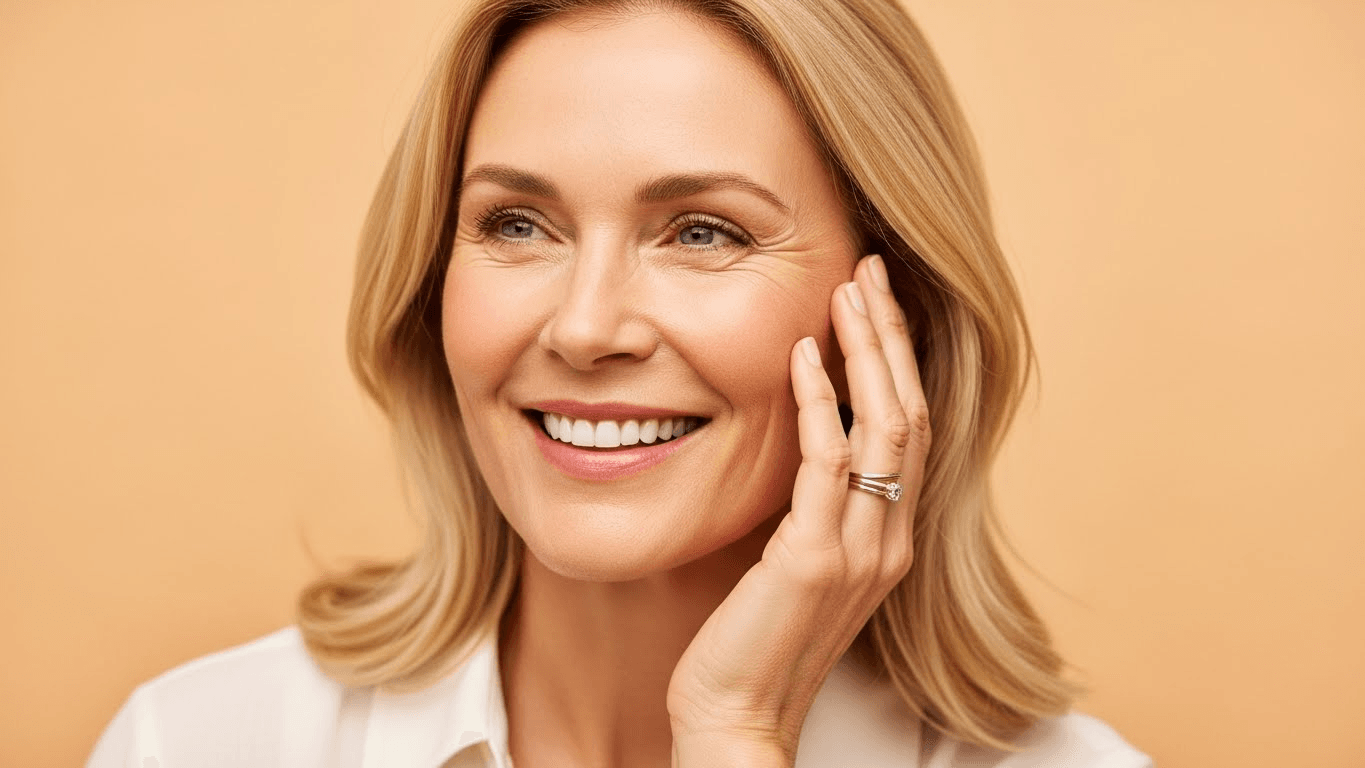
How Aging Impacts Facial Structure and Treatment Choices
Facial aging is a complex, multi-dimensional process that extends far beyond superficial wrinkles. It involves profound changes in the underlying facial structure, including bones, fat pads, and soft tissues. Understanding these anatomical shifts is crucial for selecting the most effective rejuvenation strategies, whether surgical or non-surgical.
Skeletal and Fat Pad Changes: The Foundation of Aging
Over time, there is a subtle but significant reduction in facial bone density, particularly around the eye sockets, midface, and jawline. This bone resorption diminishes the structural support for the overlying soft tissues, contributing to a sunken appearance and a less defined facial framework (Dr. Nima Plastic Surgery, 2025). Concurrently, the fat pads that provide youthful fullness in the cheeks, around the eyes, and in the jawline tend to atrophy, shrink, and shift downward due to gravity and weakened connective tissues (Carolina Cosmetic Surgery, 2025; Thomassen Plastic Surgery, 2025). This descent of fat pads exacerbates hollowing in some areas and creates sagging in others, such as the jowls and nasolabial folds.
These structural losses collectively lead to a decrease in overall facial volume, making features appear more gaunt, tired, or less defined. The once smooth, convex contours of youth become flattened or concave, and the sharp angles of the jawline soften into a less distinct profile (Dr. Nima Plastic Surgery, 2025).
Skin and Soft Tissue Degradation: Loss of Elasticity and Firmness
At the superficial level, the skin itself undergoes significant changes with age. The production of collagen and elastin, the vital proteins responsible for skin’s firmness, elasticity, and youthful bounce, steadily declines (Dr. Nima Plastic Surgery, 2025). This reduction leads to increased skin laxity, fine lines, and the formation of deeper wrinkles and folds. The skin becomes thinner, more fragile, and less capable of “snapping back” into place, further contributing to the sagging appearance.
The superficial musculoaponeurotic system (SMAS), a layer of muscle and connective tissue beneath the skin, also weakens and descends over time. This weakening of the SMAS layer is a primary contributor to jowl formation and neck banding, as it loses its ability to hold the overlying fat and skin in a youthful position (AestheticMatch, 2025).
Treatment Choices: Surgical vs. Non-Surgical Approaches
The extent of these age-related structural changes dictates the most appropriate treatment choices. For patients with significant skin laxity, pronounced jowling, and considerable descent of facial tissues, surgical options like a facelift are often the most effective. A facelift directly addresses the underlying structural issues by lifting and tightening the SMAS layer, repositioning descended fat pads, and redraping the skin to restore more youthful contours (AestheticMatch, 2025). This surgical intervention effectively counteracts the effects of bone loss and tissue descent, providing a powerful and long-lasting rejuvenation.
Non-surgical methods, such as dermal fillers, neurotoxins (like Botox), and energy-based devices, are valuable for addressing mild to moderate aging signs or for maintaining surgical results. Dermal fillers can restore lost volume in areas where fat has depleted, providing a subtle lift and smoothing wrinkles (Dr. Nima Plastic Surgery, 2025). Neurotoxins relax muscles that cause dynamic lines, preventing deeper creases. However, it is crucial to understand that non-surgical options cannot replicate the structural lifting and tightening achieved with a facelift. Overfilling with fillers to “lift” descended tissues can lead to an unnatural or distorted appearance (AestheticMatch, 2025).
Often, a combination of surgical and non-surgical treatments yields the best and most harmonious results. A comprehensive assessment by a qualified plastic surgeon is essential to determine the optimal approach, ensuring that the chosen treatments align with the individual’s unique anatomy, skin condition, and aesthetic goals (Dr. Nima Plastic Surgery, 2025).
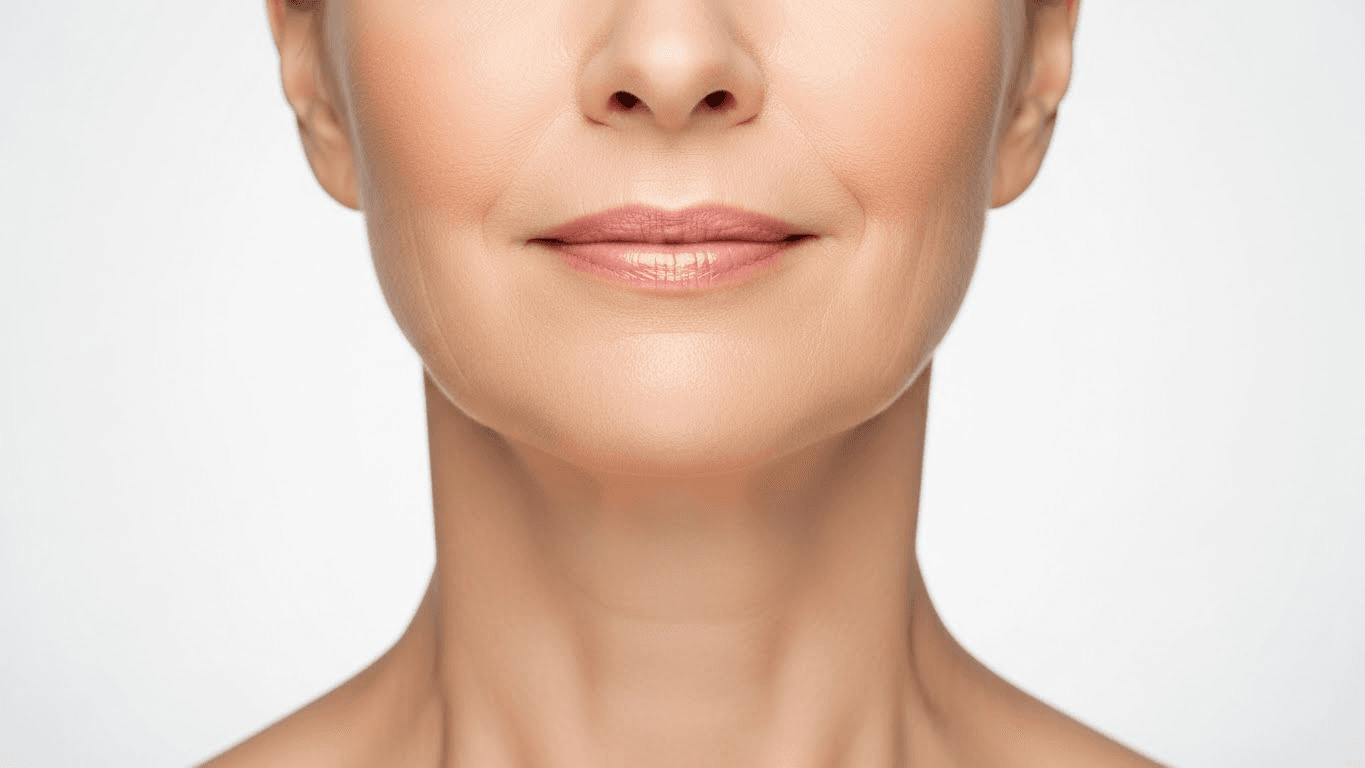
Debunking Myths and Comparing Early vs. Later Facelift Benefits
The decision to undergo a facelift is often clouded by common myths and misconceptions, particularly regarding the “best age” for the procedure. Dispelling these inaccuracies and understanding the distinct benefits of early versus later intervention is crucial for making an informed choice.
Common Myths About Facelift Timing
One prevalent myth is that facelifts are exclusively for older individuals, typically those in their late 40s or beyond. This misconception often leads younger patients to believe they are “too young” for the procedure. However, modern plastic surgery techniques and a growing understanding of the aging process have shown that individuals in their 30s and early 40s can significantly benefit from less invasive facelifts or mini-facelifts to proactively address early signs of aging (Orange County Plastic Surgery, 2025; AestheticMatch, 2025).
Another common misconception is that facelifts inevitably result in an unnatural, “pulled,” or “frozen” appearance. This stereotype stems from outdated surgical techniques. Contemporary facelift procedures prioritize natural-looking results that enhance an individual’s existing features and maintain their unique facial expressions, avoiding an “operated-on” look (AestheticMatch, 2025; Dr. Patt, 2025). Furthermore, the belief that facelifts are solely for women is also a myth; an increasing number of men are seeking facial rejuvenation procedures to address their aging concerns (Dr. Patt, 2025).
Benefits of an Earlier Facelift (30s-40s)
Opting for an earlier facelift, typically in the late 30s or 40s, offers several distinct advantages. At this stage, patients often have better skin elasticity and less severe signs of aging, meaning smaller corrections are needed. This translates to less extensive procedures, shorter incisions, and potentially quicker recovery times, often around 7-10 days for social recovery (Orange County Plastic Surgery, 2025; AestheticMatch, 2025; Thomassen Plastic Surgery, 2025).
An early facelift can provide a subtle, natural “reset” that helps maintain youthful contours and delays the progression of more pronounced aging signs like deep wrinkles and significant jowls (AestheticMatch, 2025). Patients often report looking “refreshed” or “well-rested” rather than obviously surgical. This preventative approach can also reduce reliance on frequent non-surgical treatments like fillers, potentially offering a more cost-effective and durable solution in the long run (Orange County Plastic Surgery, 2025). Research suggests that patients who undergo facelifts before age 50 achieve higher satisfaction rates and longer-lasting results, with many maintaining significant improvement for 12-15 years or more (Orange County Plastic Surgery, 2025; Thomassen Plastic Surgery, 2025).
Benefits of a Later Facelift (50s-60s+)
While early intervention has its merits, waiting until aging signs are more pronounced, typically in the 50s, 60s, or even 70s, also offers significant benefits. For patients with advanced skin laxity, deeper folds, and considerable volume loss, a later facelift can provide a more dramatic and comprehensive correction (AestheticMatch, 2025). These procedures often involve full facelifts, neck lifts, and sometimes additional fat grafting or skin resurfacing to achieve optimal rejuvenation (Thomassen Plastic Surgery, 2025).
A later, comprehensive facelift can deliver a high-impact transformation, restoring significant jawline and neck definition and improving overall facial harmony. While recovery periods may be slightly longer (2-3 weeks for social recovery) compared to earlier, less invasive procedures, the results are often highly satisfying due to the profound improvement achieved (Thomassen Plastic Surgery, 2025). For older patients, the procedure can significantly reduce the reliance on heavy fillers and provide durable improvement that can last 7-10 years or more, depending on overall health and lifestyle (Orange County Plastic Surgery, 2025; Thomassen Plastic Surgery, 2025).
Ultimately, there is no “missed window” for a facelift; it is about matching the intensity and type of procedure to the individual’s anatomy, the extent of aging, and their personal goals. A thorough consultation with an experienced, board-certified plastic surgeon is essential to determine the most suitable timing and technique for each unique case (AestheticMatch, 2025).
Safety Considerations and Risk Factors by Age
Patient safety is the paramount concern in any surgical procedure, and facelifts are no exception. While modern advancements in surgical techniques and anesthesia protocols have significantly improved the safety profile of facelifts, understanding the potential risks and how they may vary across different age groups is crucial for informed decision-making.
Overall Complication Rates: A Low Incidence
Facelift surgery is generally considered safe, with a relatively low incidence of major complications. According to comprehensive safety data from the National Institutes of Health, major complications occur in approximately 1.8% of patients within 30 days post-surgery (Orange County Plastic Surgery, 2025). This low rate is a testament to continuous improvements in surgical precision, patient selection, and post-operative care protocols.
The most common complication associated with facelifts is hematoma, which is a collection of blood under the skin. This occurs in about 1-9% of cases and is typically manageable when detected and addressed early (Orange County Plastic Surgery, 2025). Other potential, though less common, complications include infection (less than 1%), temporary nerve injury, and unfavorable scarring. These risks remain relatively consistent across age groups, provided that patients are properly selected and meticulously prepared for surgery (Orange County Plastic Surgery, 2025).
How Age and Health Status Impact Surgical Risk
While facelift surgery is generally safe across age groups, certain age-related factors influence risk profiles. Younger patients typically have fewer medical comorbidities, reducing anesthesia risks and complications. Their superior healing capacity also means faster resolution of swelling and bruising, allowing for a quicker return to normal activities (Orange County Plastic Surgery, 2025; Thomassen Plastic Surgery, 2025).
Conversely, older patients may require a more extensive medical evaluation and clearance before surgery. Conditions such as hypertension, diabetes, or cardiovascular disease need to be carefully managed and optimized to minimize surgical risks (AestheticMatch, 2025; Orange County Plastic Surgery, 2025). Medications, particularly blood thinners, must be thoroughly reviewed and adjusted as necessary. Despite these considerations, healthy patients in their 60s, 70s, and even 80s routinely undergo successful facelift surgery with excellent outcomes, emphasizing that good health is more critical than chronological age (Dr. Nima Plastic Surgery, 2025; Thomassen Plastic Surgery, 2025).
The key to minimizing risks at any age lies in a thorough preoperative assessment by a board-certified plastic surgeon. This includes a detailed review of medical history, current medications, and lifestyle factors. Adherence to all pre- and post-operative instructions, including temporary cessation of smoking and certain medications, is vital for ensuring the safest possible surgical experience and optimal healing (AestheticMatch, 2025; Thomassen Plastic Surgery, 2025).
Making Your Personal Timeline Decision: A Framework for Informed Choices
Deciding when to undergo a facelift is a significant personal choice that requires careful consideration of various factors. It is a journey that begins with self-reflection and culminates in a detailed consultation with a qualified plastic surgeon. This section provides a framework to help individuals navigate this decision-making process effectively.
Self-Assessment: Questions to Ask Yourself
Before scheduling a consultation, a candid self-assessment can help clarify your motivations and readiness for surgery. Consider the following questions:
- **Aging Patterns:** How do your current facial concerns compare to your parents’ aging trajectory? Are the changes you observe accelerating, or have they remained relatively stable? Understanding your genetic predisposition can offer insights into future aging.
- **Impact on Self-Image:** How significantly do the visible signs of aging affect your self-confidence, social interactions, or professional life? Is there a disconnect between how you feel internally and how you perceive yourself externally (Dr. Patt, 2025)?
- **Non-Surgical Efficacy:** Are non-surgical options, such as dermal fillers or neurotoxins, still delivering meaningful improvements? Or are you finding that you require increasingly frequent treatments, or that skin laxity is overshadowing any volumizing benefits (Orange County Plastic Surgery, 2025)?
- **Recovery Window:** Can your current lifestyle accommodate the necessary recovery period, which typically ranges from 10-14 days for social downtime, with further refinement over several weeks (AestheticMatch, 2025; Orange County Plastic Surgery, 2025)? Do you have adequate support during the healing process?
- **Financial Readiness:** Have you budgeted for the surgical costs, as well as potential future maintenance procedures? Facelifts are elective and generally not covered by insurance.
- **Emotional Preparedness:** Are you pursuing surgery for yourself and your own well-being, rather than to please others? Have you processed the permanence of surgical changes and do you have realistic expectations about the outcomes (AestheticMatch, 2025; Dr. Patt, 2025)?
Honest answers to these questions can provide clarity on whether you are truly ready for a facelift or if other options might be more suitable at this time.
The Consultation: Partnering with Your Surgeon
Once you have completed your self-assessment, the next crucial step is a comprehensive consultation with a board-certified plastic or facial plastic surgeon. This is where your personal goals and anatomical realities converge to create a tailored treatment plan (AestheticMatch, 2025; Dr. Nima Plastic Surgery, 2025).
During the consultation, your surgeon will meticulously evaluate your facial anatomy, including the balance between laxity and volume loss, neck anatomy (platysma bands, submental fat), chin and jaw projection, and skin quality (AestheticMatch, 2025). They will also review your complete medical history, current medications, and lifestyle factors to ensure you are a safe and suitable candidate for surgery (AestheticMatch, 2025).
It is essential to openly discuss your specific concerns and aesthetic goals. Ask your surgeon about their recommended surgical approach, whether it’s a mini-lift, SMAS facelift, or deep-plane facelift, and why that particular technique is best suited for your anatomy (AestheticMatch, 2025). Inquire about the expected longevity of results given your age and skin quality, and explore options for combining procedures, such as eyelid surgery, brow lifts, or fat grafting, for a more comprehensive rejuvenation (Thomassen Plastic Surgery, 2025).
Request to see before-and-after photos of patients with similar age and anatomical characteristics to yours. This helps to align your expectations with the surgeon’s aesthetic style and capabilities (Orange County Plastic Surgery, 2025). A trustworthy surgeon will provide a detailed, itemized cost breakdown, including fees for the surgeon, anesthesia, facility, and any necessary pre- or post-operative care items, to avoid unexpected expenses (Carolina Cosmetic Surgery, 2025).
By engaging in a thorough and transparent consultation, you can ensure that your decision to undergo a facelift is rooted in a clear understanding of the procedure, its potential outcomes, and how it aligns with your individual needs and timeline. This collaborative approach empowers you to make an informed choice that leads to lasting satisfaction and a renewed sense of confidence.

The Enduring Value of a Facelift: A Personalized Journey to Renewed Confidence
The journey to facial rejuvenation, often culminating in a facelift, is a profound investment in one’s self-image and overall well-being. As we have explored, the notion of a singular “best age” for this transformative procedure is a misconception. Instead, the optimal timing for a facelift is a highly personalized decision, intricately woven with individual aging patterns, skin elasticity, underlying facial anatomy, lifestyle choices, and psychological readiness. Recent shifts in demographics reveal a growing trend towards earlier intervention, with patients in their 30s and 40s increasingly seeking facelifts to proactively maintain youthful contours and delay the progression of more severe aging signs (Orange County Plastic Surgery, 2025). This modern approach acknowledges that addressing early laxity can lead to more subtle, natural, and enduring results, effectively “resetting the clock” on visible aging without creating an artificial appearance.
We have delved into the nuanced considerations for various age ranges, from the subtle refinements offered by mini-facelifts for early aging to the comprehensive transformations achieved with SMAS and deep-plane techniques for more advanced concerns. Understanding how aging impacts facial structure—from bone resorption and fat pad descent to the degradation of collagen and elastin—is fundamental to appreciating the efficacy of surgical intervention. These deep-seated anatomical changes necessitate a surgical approach for true lifting and repositioning, as non-surgical treatments, while valuable for addressing mild signs and maintaining results, cannot replicate the structural integrity and long-term tightening that a facelift provides (AestheticMatch, 2025; Dr. Nima Plastic Surgery, 2025). The choice of technique, therefore, is not merely a matter of preference but a strategic decision based on the unique biological canvas of each patient.
Debunking common myths, such as the idea that facelifts always look unnatural or are exclusively for older women, highlights the evolution of modern plastic surgery. Contemporary techniques prioritize natural-looking outcomes that enhance individual features and preserve authentic expressions, moving away from the “wind-swept” or “pulled” appearances of the past (AestheticMatch, 2025; Dr. Patt, 2025). Furthermore, a thorough understanding of safety considerations, including the low complication rates and how age and health status influence surgical risk, empowers patients to make informed decisions with confidence. The emphasis remains on optimizing overall health and selecting a board-certified surgeon with a proven track record of safety and aesthetic excellence, ensuring that the pursuit of rejuvenation is both effective and secure (Orange County Plastic Surgery, 2025).
Ultimately, the enduring value of a facelift extends far beyond the immediate aesthetic improvements. It encompasses the long-term benefits of sustained rejuvenation, the psychological uplift of renewed self-confidence, and the profound alignment between one’s inner vitality and outer appearance (Dr. Patt, 2025). Patients frequently report a significant boost in self-esteem, feeling that their refreshed outer appearance now better matches their inner energy and self-perception. This renewed sense of self can positively impact various facets of life, including social interactions, professional opportunities, and overall quality of life. The investment in a facelift is, therefore, an investment in personal well-being and a more harmonious self-image. Whether you are in your 40s considering a preventative mini-lift or in your 70s seeking a comprehensive revitalization, the “best age” is truly when you are physically healthy, emotionally prepared, and ready to invest in a future where your appearance genuinely reflects how vibrant you feel inside.
Do not let uncertainty about timing deter you from exploring the possibilities of facial rejuvenation. The path to a refreshed and confident you begins with an informed conversation. Take the proactive step of consulting with a qualified plastic surgeon who can provide a personalized assessment, address your unique concerns, and guide you towards a tailored plan that honors your individual aging journey. Your ideal time for a facelift is waiting to be discovered, promising not just a change in appearance, but a renewed sense of self and an enhanced quality of life, allowing you to face the world with renewed vigor and a reflection that truly embodies your spirit.
Bibliography
- AestheticMatch. (2025). Best Age for a Facelift. Retrieved from https://aestheticmatch.ghost.io/best-age-for-a-facelift/
- Carolina Cosmetic Surgery. (2025). What Is the Best Age for a Facelift? Retrieved from https://carolinacosmeticsurgery.org/blog/what-is-the-best-age-for-a-facelift-
- Dr. Nima Plastic Surgery. (2025). What Age Is Best for a Facelift? A Surgeon’s Perspective. Retrieved from https://www.drnimaplasticsurgery.com/what-age-is-best-for-a-facelift/
- Orange County Plastic Surgery. (2025). When Is the Best Age for a Facelift? New Data Shows Timing Makes All the Difference. Retrieved from https://orangecountyplasticsurgery.com/when-is-the-best-age-for-a-facelift-new-data-shows-timing-makes-all-the-difference/
- Dr. Patt. (2025). THE BEST AGE FOR A FACELIFT: WHAT REAL PATIENTS NEED TO KNOW. Retrieved from https://www.pattmd.com/dr-patts-blog/the-best-age-for-a-facelift-what-real-patients-need-to-know
- Thomassen Plastic Surgery. (2025). Best Age for a Facelift: What to Expect at 40, 50, and Beyond. Retrieved from https://thomassenplasticsurgery.com/best-age-for-a-facelift-what-to-expect-at-40-50-and-beyond/